6 ways to support employees financially during cost of living increases
Discover six key tips to help ease the financial burden on your employees and support their financial wellbeing through cost of living increases. Learn more!


Rising inflation, interest rate hikes, and significant increases in the cost of food, fuel, energy, and many other essential items have impacted households across Australia and New Zealand.
A sharp increase in production costs has put financial strain on a lot of business, many of which will find it difficult to provide a pay rise to match inflation.

This is a great worry for many employers, who will find it difficult to retain top talent, and continue to compete in the job market – but a pay rise isn’t the only way to support your people financially.
Are you looking for ideas that will make an impact with your people? Ask your employees what they need and you may be surprised at what they’ll tell you and what problems you’ll be able to solve with even a limited budget. Below are some creative ways companies have responded to employee feedback and implemented initiatives to ease cost-of-living pressures.
| 1. Promote existing benefits that help support financial wellbeing |
| 2. Help offset the cost of hybrid and remote work |
| 3. Introduce a learning or lifestyle benefit |
| 4. Provide resources that support financial, mental and physical wellbeing |
| 5. Celebrate employees with a mini-bonus or one-off payment |
| 6. Tap into the power of reward and recognition |
1. Promote existing benefits that help support financial wellbeing
Now is the time to remind employees about anything already available to them to support their wellbeing. This might include:
| Access to an Employee Assistance Program (EAP): | Some employees only consider accessing an EAP if they are dealing with grief or mental health challenges, and may need reminding that they may be able to access financial education or advice through your provider. |
| Making the most of a discounts program: | The rising cost of living has put financial pressure on most households. Being able to save money on groceries, petrol, entertainment, fitness, and more can make a huge difference. |
| Providing a salary advance or small loan: | Many employees may be reworking their household budgets, particularly if the earning capacity for those living under the same roof has taken a hit. Paying employees a salary advance or offering small loans on request can help alleviate the pressure of staying on top of rent, mortgage repayments, or ongoing bills. |
McDonald’s designed posters for the crew rooms in its restaurants to proactively promote its employee benefits program in over 970 restaurants. The posters reminded its people of the retail offers that would provide the most practical support during this cost-of-living crisis, accessible via their home computers or via the mobile app. Not surprisingly, the top retailers in recent months included Woolworths and JB-Hifi, and they saw an increase in purchases from EB Games and Rebel.
Sometimes the biggest opportunity is simply improving awareness. If employees don’t know what support exists, or how to access it, even the best benefits can go unused. Clear, regular communication can help people get more value from what’s already available to them.
2. Help offset the cost of hybrid and remote work
 Hybrid work is now a long-term reality for many organisations. But while flexibility is valued by employees, working from home can also shift costs onto them, from internet and electricity bills to desks, chairs, and other office equipment.
Not everyone has an environment that's ideal for working from home and providing even some basic equipment can improve employees’ engagement, as well as their physical and mental wellbeing. This is why some companies have offered to pay for items that will allow their people to set up an effective workspace at home.
In response to an employee survey, Reward Gateway | Edenred introduced a Work From Home Bundle benefit that offers all our employees items to improve both their current and future work from home situation.
The bundle includes a chair, desk, laptop stand, keyboard, and mouse. Employees can either request that Reward Gateway | Edenred makes the purchase and organises delivery to their home address, or they can pick their own equipment and claim a certain amount to make it more affordable. Creating a benefit that removes or at least softens the cost of setting up a workstation at home is an investment that makes sense.
3. Introduce a learning or lifestyle benefit
When budgets are tight, discretionary spending is often one of the first things people cut back on. That can include books, learning resources, and other low-cost activities that support personal growth and wellbeing.
Our research found that 82% of Australian and New Zealand employees had cut back on spending due to cost-of-living pressures.
A book, learning, or lifestyle benefit is a simple way to give employees access to something enjoyable and useful without adding financial strain. For example, employers might subsidise books, audiobooks, online courses, or subscriptions that support either professional development or personal interest.
Benefits like these can do more than save employees money, they can reduce stress, encourage curiosity, and create opportunities for connection beyond day-to-day work.
This kind of support is relatively low-cost, easy to administer, and often highly valued by employees.
4. Provide resources that support financial, mental and physical wellbeing
Cost-of-living pressure doesn’t just affect employees financially, it can also have a significant impact on stress levels, energy, focus, and overall wellbeing.
Providing easy access to practical resources can help employees feel more supported and in control. This might include budgeting tools, financial education sessions, healthy recipes, wellbeing content, mindfulness resources, or fitness subsidies and challenges.
We have a Wellbeing Allowance for all of our own employees. With the allowance, our people can purchase fitness equipment, subsidise their gym membership or health insurance, buy a bike, attend yoga classes – anything they feel will support their physical or mental wellbeing.
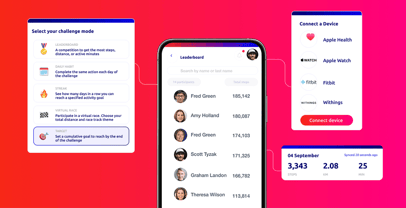
We also run healthy challenges with our employees – and lots of us get involved. Here's a great list of ideas for fitness challenges that you could run at your organisation.
5. Celebrate employees with a mini-bonus or one-off payment
If large salary increases aren’t possible, a smaller one-off payment can still show employees that their contribution is recognised and valued.
Some organisations use mini-bonuses, cost-of-living support payments, or seasonal thank-you payments to give employees a timely financial boost. While these may not replace a pay rise, they can help employees manage immediate expenses and feel appreciated at the same time.
Even a relatively small payment, delivered with the right message, can have a positive impact on morale and trust.
6. Tap into the power of reward and recognition
If additional cash payments aren’t an option, your existing reward and recognition program may still provide a meaningful way to support employees financially.
Where recognition points or monetary awards can be redeemed for gift cards, everyday essentials, or personal purchases, recognition becomes more than a morale booster, it becomes practical support. Employees may be able to use rewards to help cover groceries, fuel, household items or something they’ve been putting off buying.
At a time when many employees are feeling stretched, recognition matters even more. Acknowledging effort, contribution, and care can lift morale, and, in some cases, provide valuable financial relief too.
Small, frequent moments of recognition can go a long way. Encouraging managers to recognise great work regularly helps build a culture where employees feel seen, supported, and motivated.
At a time when many people are looking for relief, creative and cost-effective ways to support employees financially can make a real difference. Not only can they help reduce stress and pressure in the short term, but they can also strengthen trust, loyalty, and engagement over the long term.
Need other ideas for how you can help boost employees' income? Get in touch with a member of our team to see how we can support your employees during cost-of-living increases.