4 science-based strategies to improve employee wellbeing
Discover four science-backed practices to improve your employee wellbeing strategy and create a culture of appreciation, gratitude and recognition.
%20(1).jpeg?width=40&height=40&name=Alex%20Powell-7746%20(Med)%20(1).jpeg)

There are lots of ways to support your individual wellbeing – getting enough sleep, taking time to exercise and focusing on a hobby you love, for example. There are as many strategies as there are people. However, there are a few strategies that the workplace is perfectly suited to support: Creating a culture of appreciation, gratitude and recognition for employees, and building connection within and between teams.
1. Consistent appreciation
The field of positive psychology has been exploring the benefits of gratitude for decades, and the impacts to our mental and physical health are impressive. Do you and your team need to reduce stress and become more resilient? (Yes. The answer is ‘yes.’) Here are some ideas to build a culture of gratitude that will support happier people and better results:

- Start meetings with recognition. Ask people what they are grateful for. Taking the time for this will change the tone of the meeting and get people participating more actively.
- Ask, ‘What are you proud of?’ We are less likely to see our employees’ day-to-day actions than ever before. Ask them what they are proud of, so their personal victories will get recognised.
- Provide people tools to recognise each other. If leaders are the only ones driving recognition, you won’t build momentum. Make employee recognition tools easy and available for everyone to use.
- Make company recognition visible to all. If your team has a tough – or especially busy – week, give them the gift of recognition stories from across the company. This has the added benefit of building understanding and connection (see below).
2. Making it count: Recognise for wellbeing activities
I spoke with a nurse manager who shared that she recognises her team for taking their holiday and not checking in. She is trying to beat the ‘hustle culture’ in medicine that says you need to work harder to be valuable.
By acknowledging employees and other leaders that take time for themselves, she makes it clear that taking care of yourself is part of caring for others.
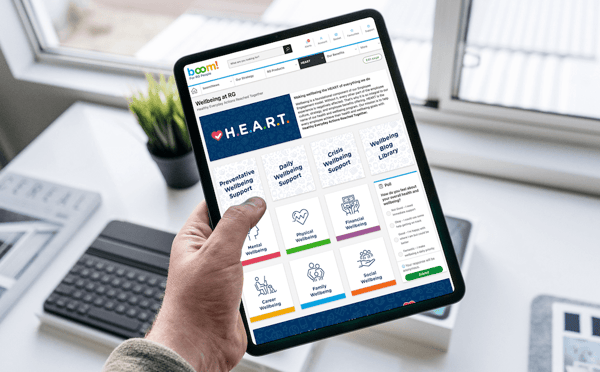
At Reward Gateway, we recently rolled out our HEART Hub to support our wellbeing. Our people team created a nomination form that allows RGers to share stories of colleagues who are living wellbeing in how they take care of themselves or others. Recognising employees for wellbeing actions doubles up on the benefits of appreciation!
3. Focus on social connections
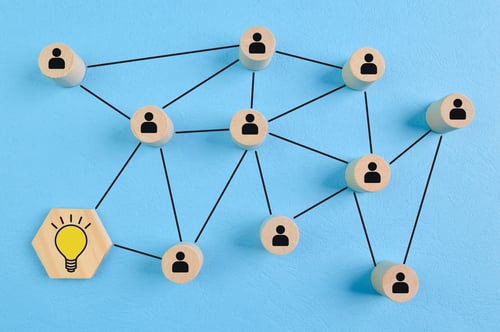
After the isolation caused by the global pandemic, and in an age when many interactions have moved online, loneliness is on the rise. Amid these trends, research indicates that lack of connection can be more harmful than smoking and obesity. We are just wired to want to be together. Here are some strategies for connecting employees that will support their health and the effectiveness of teams:
 Add personal connection to agendas.
My team has spoken about how much time during the workday used to be spent greeting passersby, chatting as you get your coffee, or chatting as you wait for a meeting to start. For those working from home, it is important to make connections intentional at the start or end of meetings, because the only person I can talk to when I get my coffee is my dog.
Encourage one-on-one check-ins within and across teams.
I have a goal of setting up a weekly 30-minute connect with people I am less likely to work with on a daily basis. These connections are often as much about personal catch-ups as work, but they maintain my network in ways that make me more efficient in the work I do.
Don’t avoid (relationship-building) meetings.
No one likes days when you are running from one room (or weblink) to another – the pressure on your schedule can mean you want to cancel meetings with those you work with most. ‘We’re close, so they won’t mind me skipping.’ Instead, try switching tactical meetings into a shared document or email chain, and save the time for the people that matter most. For those relationship-building meetings, move your mindset from only-meet-if-necessary to meet-unless-necessary.
4. Build community with wellbeing activities
Creating opportunities for your team to connect around wellbeing can be both healthy and engaging. It might be as simple as a team lunch, a shared chat where people swap ideas for taking care of themselves, or a dedicated wellbeing moment in the week where employees are encouraged to step away and do something positive for their physical or mental health.
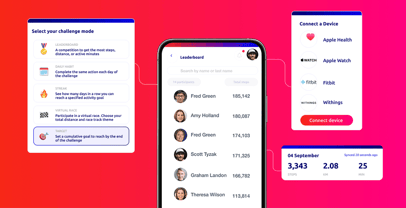
These kinds of activities become even more powerful when they combine personal motivation with team connection. That’s where Goals & Challenges can play an important role. Self-guided personal goals give employees a way to focus on the habits that matter most to them, whether that’s moving more, building healthier routines, or prioritising their overall wellbeing. At the same time, team challenges create shared energy through friendly competition, collaboration, and accountability.
For example, organisations can set up a wellbeing challenge that encourages employees to take 30 minutes for themselves and then share what they did with colleagues. Others may introduce step goals, virtual races, or team-based challenges that help build momentum and connection across the workforce. Features like step tracking, habit tracking, custom habits, wearable device compatibility, and organisation-wide leaderboards make it easier to turn wellbeing into an ongoing, visible part of company culture.
At Reward Gateway | Edenred, we’ve seen how goals and challenges can help employees celebrate progress, support one another, and stay motivated over time. Personal goals help people be their best selves, while collaborative challenges help instil a culture of high achievement.
Whether you’re looking to support individual wellbeing, strengthen team connection, or create healthier habits across the company, community-led wellbeing activities can make a real impact, especially when they’re backed by the right tools, recognition, and shared sense of purpose. Chat to our team today to learn more.