Why employee experience platforms are becoming essential for HR leaders
Discover why Employee Experience Platforms are becoming essential for HR leaders. Explore key workforce challenges, the impact on engagement and productivity, and how to know if your organisation is ready.


The world of work has never been more complex. From shifting economic conditions and new technologies to rising employee expectations, HR leaders are navigating challenges that simply didn’t exist a decade ago. The result? Employee experience has moved from a “nice to have” to a top business priority.
Today’s workforce wants more than a pay cheque. They expect meaningful wellbeing support, opportunities to grow, and a workplace culture that makes them feel valued and connected. And if organisations can’t deliver, employees are more willing than ever to look elsewhere.
The growing pressure on HR leaders
In Australia and New Zealand, HR teams are facing the perfect storm:
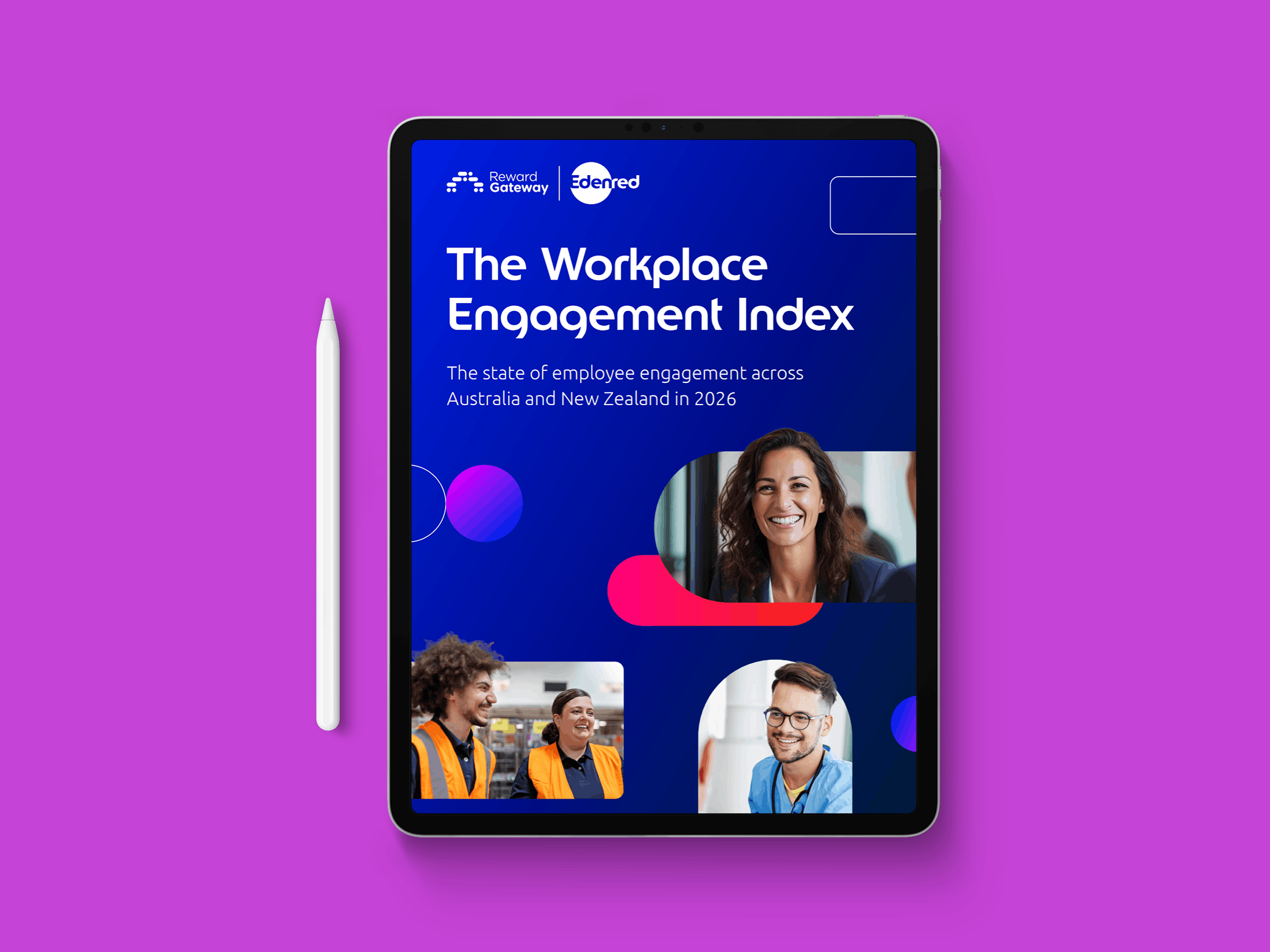
- Retention challenges: Nearly 60% of Australian employees have considered leaving their role in the past six months (The Workplace Engagement Index, 2025). Replacing great talent has never been more expensive or disruptive.
- Wellbeing concerns: 43% of employees frequently feel stressed, and 34% frequently feel burnt out (The Workplace Engagement Index, 2025).
- Technology overload: Many organisations are weighed down by too many HR systems, leaving employees confused and leaders struggling to demonstrate ROI.
- Generational diversity: With up to five generations in the workforce, a “one size fits all” approach to benefits and engagement is no longer effective.
Against this backdrop, leaders are being asked to do more with less to engage and support people while also proving the impact of HR initiatives on business performance.
Why employee experience matters 
Employee experience (EX) is more than a buzzword. It’s the sum of every interaction, benefit, tool and communication an
employee has with your organisation. When done well, it creates the conditions for people to thrive. When neglected, it can quickly lead to disengagement, low productivity and high turnover.
Our Appreciation Index Report, 2025 revealed that just 66.8% of Australian employees feel appreciated at work. And with recognition ranking as the number one driver of productivity, it’s clear that EX is important.
The role of an Employee Experience Platform
An Employee Experience Platform (EXP) is designed to bring all the moving parts of the employee journey into one central hub. Rather than forcing employees to navigate multiple apps and systems, an EXP provides a seamless entry point for everything from wellbeing resources and benefits to recognition, communication and career development.
For HR leaders, this means:
- Simplifying processes and cutting down on admin.
- Boosting adoption of programs by making them easier to find.
- Creating a consistent, branded experience that strengthens the employee value proposition.
- Making it easier to demonstrate ROI.
The result is a more connected, empowered workforce and a stronger, more resilient organisation.
How do you know if you’re ready? 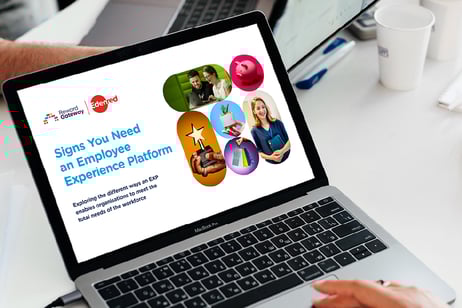
While most leaders understand the value of improving employee experience, it’s not always clear when the time is right to
invest in an EXP. That’s why we created our latest eBook: Signs You Need an Employee Experience Platform.
In it, we outline eight common challenges HR teams are facing today from wellbeing red flags and cost-of-living pressures to declining productivity and ineffective internal communication. Each sign is paired with practical solutions.
If you’ve ever wondered whether your organisation is ready for an EXP, this guide will help you recognise the warning signs and explore what the right solution could look like.
Ready to create a platform your people will love? Whether you’re starting fresh or levelling up an existing program, Reward Gateway | Edenred makes it easy to connect your people to the things that matter, all in one place.