




%20(1).jpeg) Alexandra Powell
Alexandra Powell

In manufacturing, where margins are tight and the pace is relentless, safety has a profound impact on both employees and businesses. It’s about compliance with regulations and avoiding risk. It’s about saving time and money. And it’s about creating an environment where employees feel valued, supported, and motivated to perform at their best. It influences everything from employee retention and engagement to operational performance and profitability.
The ripple effect of safety on employees and businesses
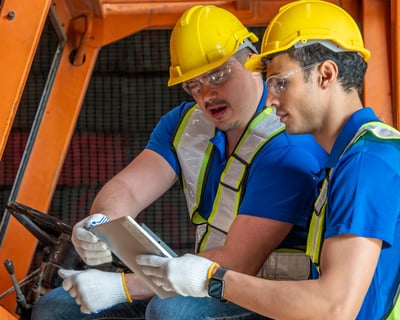 Safety in manufacturing is more than the equipment you wear and the process you follow; at its best, it is a cultural force that shapes the daily decision making of employees and the outcomes for businesses. When safety is prioritized, employees feel cared for, which directly impacts their engagement and productivity. According to our research, 56% of manufacturing employees believe that a company that prioritizes their wellbeing is more valuable than a 10% raise.
On the flip side, with 35% of manufacturing employees preparing to leave their jobs within the next year, neglecting safety will send a message that encourages employees to leave, and that will reduce engagement if they do stay.
For HR leaders, this translates to rising healthcare costs, increased turnover and a workforce that feels disconnected from safety programs. For plant managers, the consequences are equally dire: staffing gaps, fatigue-driven mistakes and disruptions to output.
Why traditional safety programs fall short
Most manufacturing businesses already have safety programs in place, including training, policies and benefits. While these are essential, they often fail to create lasting behavioral change. Training sets expectations, but it’s reinforcement that builds habits. Without consistent recognition and support, employees may struggle to maintain safe practices, especially under the pressure of tight deadlines and fatigue.
What’s missing from traditional safety programs is creating a collective culture that supports employees to make the right decisions and celebrates them when they do. Employees need real-time reinforcement for safe behaviors, recognition for doing things right, and practical wellbeing support so they are focused and ready to work. Without these elements, even the best-designed programs can fall short of their goals.
Building a culture of safety: A holistic approach
![“Our people were demonstrating [our values], but there wasn’t a way to publicize it before. We needed to modernize our approach to employee recognition.” - ORBIS testimonial](https://www.rewardgateway.com/hs-fs/hubfs/26-us-manufacturing-assets/TestimonialImages_Orbis.png?width=400&height=407&name=TestimonialImages_Orbis.png) To truly embed safety into the fabric of a manufacturing workplace, businesses must shift their focus from reactive measures to proactive reinforcement. From “putting out fires” to promoting actions that prevent problems. This means integrating rewards, recognition, and wellbeing into every shift, and creating a culture where safety is second nature.
To truly embed safety into the fabric of a manufacturing workplace, businesses must shift their focus from reactive measures to proactive reinforcement. From “putting out fires” to promoting actions that prevent problems. This means integrating rewards, recognition, and wellbeing into every shift, and creating a culture where safety is second nature.
A director of organizational development at Orbis Corporation emphasized the importance of modernizing employee recognition: “Our people were demonstrating [our values], but there wasn’t a way to publicize it before. We needed to modernize our approach to employee recognition.”
Here are three key strategies to build a culture of safety:
Real-time recognition
Recognition is a powerful motivator. When employees are acknowledged for practicing safe behaviors, they’re more likely to repeat those actions. Sharing stories of success across shifts helps highlight examples of what is working so it can be repeated by others. Real-time recognition tools, such as points-based systems and peer-to-peer acknowledgments, can help reinforce safe practices on the spot. Manager-led recognition can also ensure that safety isn’t seen as taking a backseat to production goals.
Rewards that clarify expectations
 Rewards tied to safe and healthy behaviors let the workforce know that safety is a priority to supervisors and leaders. By linking rewards to specific actions, businesses can create a clear connection between safety and success. Easy access to flexible reward redemption to in places like Amazon and Walmart ensure employees can use their rewards to supplement basic needs or to get themselves something special.
Wellbeing support during shifts
Fatigue, stress, and burnout are major contributors to unsafe behaviors and mistakes. Practical wellbeing support, such as access to mental, physical, and financial wellbeing resources, can reduce these risks and improve overall employee health. An integrated wellbeing programs encourage employees to take their wellbeing seriously so they can stay focused, energized and safe.
As the Compliance Lead at Ergon Terminaling noted, the impact of safety and wellbeing programs is transformative: “The number of personal testimonials we receive about employees being more active, losing weight, and feeling generally healthier is amazing.”
The business case for safety
When safety is embedded in every shift, the benefits extend far beyond compliance. For HR leaders, a culture of safety leads to higher engagement, lower turnover, and reduced healthcare costs. For plant managers, it means fewer incidents, more consistent output, and lower absenteeism. Together, these outcomes create a stronger culture and employer brand, positioning the business as a leader in how they treat their people and the results they achieve.
Learn more about how Reward Gateway | Edenred can support your organization’s safety culture – and overall culture with our suite of employee experience solutions.
