




%20(1).jpeg) Alexandra Powell
Alexandra Powell
Effective communication is a cornerstone of employee engagement, trust and productivity. Employees want to feel listened to and connected to their organization and leaders.
In fact, 30% of employees share they’d leave a company for a lack of clear, honest communication.
Based on insights from Reward Gateway | Edenred’s research most recent research report, Bridging the Communications Gap, here’s a guide for companies and managers on the key topics to prioritize in their organizational communications to meet employee preferences and drive engagement.
What employees want to know about
1. Training and development opportunities
 Employees under age 55 consistently rank training and development as a top priority in communication. This topic was especially a focus for those in Food and Beverage, Real Estate and Technology industries.
Sharing updates on available programs, skill-building workshops and career advancement opportunities demonstrates an organization’s commitment to employee growth.
Managers should incorporate discussions about individual development plans during one-on-one meetings, ensuring employees understand how their growth aligns with organizational goals.
2. Policy changes and new procedures
Transparent communication about policy updates and procedural changes is essential for building trust and is especially a focus for those in the public sector, real estate and technology industries. Employees want clarity on how these changes impact their roles and the organization. Managers should proactively address these topics in team meetings and provide opportunities for employees to ask questions or share concerns. This approach fosters a sense of inclusion and reduces uncertainty.
3. Recognition of employee achievements
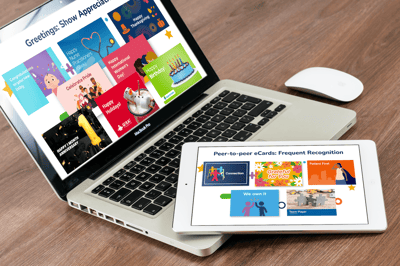 Recognition is a powerful motivator that boosts morale and engagement. While this topic is in the top three for most industries, the message is loudest in the Technology and Media and Entertainment industries.
Employees value acknowledgment of their contributions, whether through public shout-outs, awards or private feedback. Managers can integrate recognition moments into team meetings or use platforms like blogs and internal hubs to highlight achievements. For example, Shannon Medical Center’s “Shannon Hub” enables direct recognition and showcases above-and-beyond efforts, creating a culture of appreciation.
4. Changes to benefits or compensation
At this time of year, a focus on benefits changes is especially important, but discussion of benefits all year round will encourage usage and adoption. Employees, especially those over 40 or in Education careers, will want to know how the company is supporting them as a way to feel valued and appreciated.
Whether it’s new perks, adjustments to healthcare plans or salary changes, clear and timely communication ensures employees understand the organization’s investment in their wellbeing. Managers should be equipped to remind employees of relevant benefits, answer questions and provide context during one-on-one meetings or company-wide updates.
 5. Company updates and announcements
Employees want to stay informed about the organization’s direction, financial performance, and strategic goals. Younger employees and those in Technology and Education are particularly interested in regular updates on company growth and strategy.
Sharing this information through in-person meetings, blogs or video messages from leaders can strengthen the connection between employees and the organization. For instance, Southern New Hampshire University uses video messages from its president to enhance leader visibility and improve workplace culture.

Empowering managers to lead communication
While much of this information sharing starts at an organizational level, managers play a crucial role in customizing these messages and making them consistent. Employees value performance feedback, recognition, and training opportunities from their direct leaders. To ensure managers are effective communicators, organizations should invest in making this information readily available to managers and training programs that enhance listening skills, empathy, and clarity. Regularly sharing key topics for one-on-one meetings and encouraging active listening can further strengthen employee-manager relationships.
By prioritizing these topics and aligning communication strategies with employee preferences, organizations can foster trust, engagement and productivity. Whether through in-person meetings, digital platforms or multimedia efforts, the key is to ensure communication is transparent, consistent, and meaningful. Small, intentional steps can lead to significant improvements in workplace culture and employee satisfaction over time.
Learn more about how Reward Gateway | Edenred can help you make your corner of the world a better place to work!
