





 Jen Caesar

When you accomplish something significant at work, do you want a generic acknowledgement that everyone receives, regardless of input or impact? Or would you prefer a customized message that acknowledges what you’ve done and how it matters to the rest of the business?
In an environment where burnout is on the rise, acknowledging the hard work and dedication of your team and colleagues is more essential than ever. What’s more, personalized, tailored recognition boosts morale, amplifies engagement and inspires motivation.
What is personalized employee recognition?
Personalized employee recognition means acknowledging employees in a way that resonates with their individual preferences, achievements and contributions. Unlike generic or one-size-fits-all programs, personalized recognition considers the unique motivations, circumstances and actions of each employee. This tailored approach helps employees feel valued on a deeper level, leading to a more engaged workforce.
Why personalized recognition matters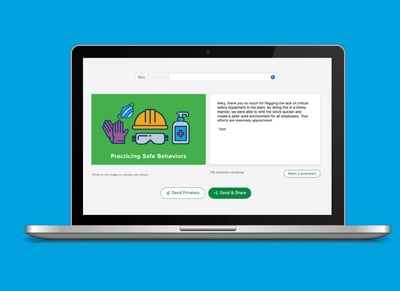
Implementing personalized recognition strategies brings numerous benefits for both employees and the organizations they work for, including:
A. Supports a range of employee needs and motivations
Every employee is unique, bringing individual aspirations, strengths and motivations to the workplace. While some employees may thrive on public acknowledgment, others may prefer a private, one-on-one conversation to discuss their achievements. By varying recognition efforts, organizations can cater to a broader range of employee needs, making each team member feel valued and understood.
B. Feels authentic
 Authenticity is key to building trust in the workplace. Generic praise can feel empty and insincere, while personalized recognition conveys genuine appreciation. When employees see that their specific accomplishments or efforts have been recognized thoughtfully, it fosters a sense of belonging and validation. This not only strengthens relationships between employees and leaders, but also enhances overall organizational culture.
Employees feel more connected to their workplace and committed to its success when they believe their efforts are truly seen and valued.
C. Reinforces the right actions
Personalized recognition clearly links desired behaviors and acknowledgment. When employees receive recognition for specific actions that align with organizational values and goals, it reinforces the behaviors that contribute to success. This targeted feedback helps employees understand expectations and encourages them to replicate these behaviors. For instance, if a team member receives recognition for exceptional collaboration, it serves as a powerful reminder to others about the importance of teamwork within the organization.
D. Creates inclusive experiences
 Acknowledging unique contributions of each employee helps organizations create an environment where everyone feels that their individual experiences matter. This inclusivity both increases employee satisfaction and supports diversity within the workplace. When all employees feel seen and appreciated, it fosters a culture of acceptance and understanding that can lead to more innovative ideas and solutions.
E. Improves long-term engagement
The ripple effect of personalized recognition extends far beyond immediate gratification. Recognition and appreciation mean employees are more likely to develop a sense of loyalty and commitment to the organization. This long-term engagement translates to higher productivity, reduced turnover rates and more collaborative teams. Employees who consistently experience personalized recognition are not only happier in their roles, but are also more invested in the overall company success.
How to implement personalized employee recognition programs
Creating and scaling a personalized recognition strategy can seem daunting, but with the right approach, it can be seamlessly integrated into your organization.
Here are practical steps to get started:
 1. Know your employees’ preferences and customize
Take the time to understand what recognition means to each employee through surveys, one-on-one discussions or informal check-ins. Ask questions about preferred recognition methods and customize your approach accordingly.
By knowing what employees value, you can create a more impactful recognition experience that resonates on a personal level.
2. Take advantage of recognition technology
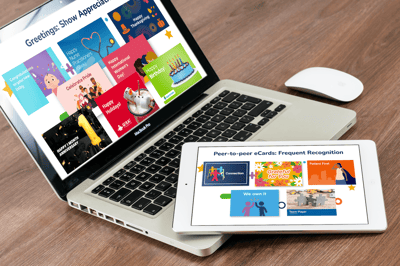
Utilizing recognition platforms can streamline the process of personalizing employee appreciation. Many recognition solutions offer features that customize recognition messages, track employee achievements and even analyze data on engagement. By investing in technology, you can create an organized and efficient recognition program that can scale as your organization grows. Additionally, these tools often allow for data collection on employee preferences and behaviors, facilitating personalized experiences.
3. Make it timely and specific
 The timing and specificity of recognition play a critical role in its effectiveness. Recognize achievements soon after they occur to maximize the impact of your appreciation. Use specific examples in your acknowledgments to show that you genuinely understand and appreciate what the employee has done. Instead of a generic “Great job,” opt for something like, “Your creative approach to the marketing campaign not only met our goals but also exceeded expectations. Thanks for your innovative thinking!”
4. Tailor the message, not just the medium
While personalizing the medium (email vs. public announcement) is important, it’s crucial to focus on the message itself. Tailor your recognition to the individual’s personality and contributions. Consider whether they prefer a lighthearted acknowledgment or something more formal. Incorporating personal anecdotes and connecting to their specific contributions can heighten the relevance and impact of your recognition.
At Reward Gateway | Edenred, we use the AVI method for writing recognition moments–
- Tell the Action – Describe what the employee did to earn recognition
- Explain the Value – Explain how their actions matter and what they contribute to
- Clarify Impact – Connect their action to the impact it has on other teams or the business
5. Involve direct managers and colleagues
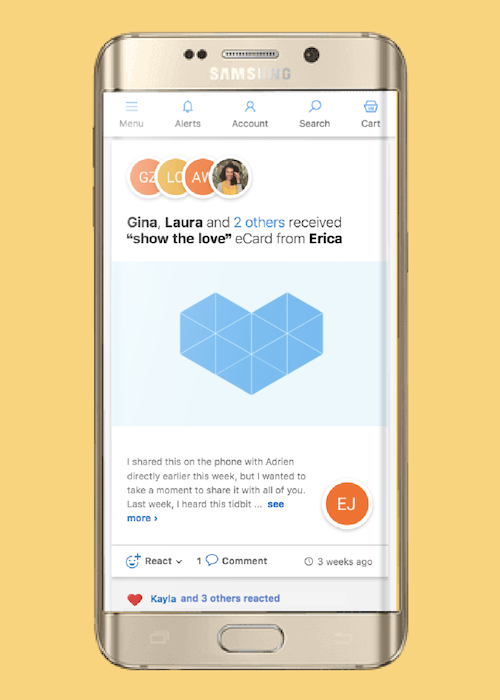
Direct managers and peers play an essential role in the recognition process. Encourage team leaders to recognize team members in ways that are meaningful to them. This fosters a supportive environment and encourages collaboration while making recognition feel more authentic. Equipping managers with resources and training on how to recognize their teams effectively can enhance the overall culture of appreciation within the workplace.
6. Collect feedback and iterate
Recognition is not a “set it and forget it” initiative. Regularly collect feedback from employees about their experiences with personalized recognition programs. What do they find meaningful? How could the process be improved? Continuously iterate and refine your recognition strategies to better align with your employees’ needs so your program remains relevant and impactful as your workforce evolves.
Make recognition personal with Reward Gateway | Edenred
Reward Gateway | Edenred provides clients with tailored solutions that empower you to create an environment where every employee feels appreciated for their unique contributions. Learn more about how we can help you implement effective personalized recognition strategies.
Learn more about how Reward Gateway | Edenred can help you implement personalized recognition at your organization and make your corner of the world a better place to work.
