




%20(1).jpeg) Alexandra Powell
Alexandra Powell

Investing in employee experience increasingly essential for building a thriving organization. When companies measure the return on investment (ROI) of their employee experience initiatives, they unlock insights that can lead to improved morale, higher productivity and greater retention rates.
What is employee experience ROI?
Employee experience ROI is about capturing the value derived from investing in the holistic journey employees take within an organization. It encompasses both financial and non-financial outcomes, acknowledging that success is more than just the bottom line. Traditional ROI metrics can miss the mark by focusing solely on hard numbers as qualitative improvements – such as enhanced engagement and a strengthened company culture – are instrumental in driving long-term success. Lag metrics (like turnover) can provide insight after the damage has already been done, while leading metrics (like eNPS) will allow companies to stay on-top-of cultural shifts. By embracing a broader perspective, organizations can better appreciate the true value of their employee experience initiatives.
The benefits of a positive employee experience
 A positive employee experience isn’t just a trendy topic; it brings tangible benefits that can reshape your organization. Here’s a quick snapshot of the key advantages:
- Increased productivity: Happy employees are productive employees. When people feel valued, they’re more likely to give their best effort.
- Reduced turnover: Investing in employee experience leads to lower attrition rates, saving you the costs associated with recruiting and training new hires.
- Improved employee wellbeing: Prioritizing employee experience means prioritizing mental and physical health, leading to a more engaged workforce.
- Positive employer brand: A great employee experience contributes to a strong employer brand, attracting top talent in a competitive market.
- Higher customer satisfaction: Satisfied employees often translate to satisfied customers, creating a positive feedback loop that benefits everyone involved.
Key metrics that drive employee experience ROI
To truly understand the impact of your employee experience initiatives, focusing on key metrics is crucial. Here’s an overview of essential metrics to consider:
 1. Retention and turnover rates
These figures showcase how well your company retains talent. Analyzing trends in turnover can help identify underlying issues in the workplace and inform strategies to enhance employee satisfaction.
2. Employee satisfaction
Conduct surveys to gauge how employees feel about their workplace. High satisfaction or eNPS ratings can serve as a powerful indicator of the effectiveness of your employee experience initiatives and guide future investments.
3. Productivity levels
Measuring productivity can reveal so much about manager effectiveness and employee engagement, but employers should be careful collecting this data doesn't feel like "lack of trust" to employees. If you decide to start tracking employee time, for example, ensure your messaging makes it about overall improvements vs. micromanagement. Monitoring productivity over time - when done well - can help pinpoint the direct impact of employee experience strategies on overall business performance.
4. Company financials
Linking employee experience to financial performance is essential. Can you compare eNPS to revenue by location? Or number of recognitions sent by location to quality (e.g. less shrink or less scrap)? Correlating financial metrics with employee experience data enables organizations to present a compelling case for investing in their workforce.
5. Customer satisfaction
Keep an eye on customer feedback as it often reflects the quality of employee experience. Positive customer satisfaction scores can validate the effectiveness of employee engagement efforts and reinforce the connection between employee happiness and customer loyalty.
How to calculate the ROI of employee experience
Calculating employee experience ROI may seem daunting, but it can be broken down into manageable steps:
 1. Collect baseline data
Identify key metrics, such as employee satisfaction, turnover rates and productivity, using surveys and exit interviews to gather quantitative insights on engagement and morale. Incorporate qualitative data through focus groups to gain deeper understanding, while also collecting demographic information to identify specific improvement areas.
Regularly reviewing this baseline data allows you to track changes and make informed decisions about future initiatives, ensuring your efforts lead to meaningful enhancements in the employee experience.
2. Identify quantifiable benefits
Assess tangible benefits like increased productivity from recognition programs by tracking metrics before and after implementation. Consider also financial metrics related to turnover reduction by comparing hiring and training costs with savings from lower turnover rates.
Utilize employee engagement scores from surveys, as higher engagement often leads to better customer satisfaction and increased revenue. These quantifiable benefits strengthen the case for ongoing employee experience initiatives and support data-driven decision-making.
3. Factor in intangible gains
 When calculating the ROI of employee experience initiatives, consider intangible gains that significantly impact long-term success. These include improved workplace culture, boosted morale and stronger teamwork, which foster trust and encourage innovation. Employees who feel valued are more likely to share ideas and take initiative, enhancing the overall experience and making the organization more attractive to potential hires.
Additionally, brand reputation and employee advocacy are critical intangible benefits. Engaged employees become brand ambassadors, sharing positive experiences that enhance the company’s image and attract top talent. A strong employer brand leads to lower recruitment costs and higher retention rates. By emphasizing intangible gains, organizations create a lasting impact that extends beyond immediate financial results, highlighting the value of investment in employee experience initiatives.
4. Use the ROI formula
To calculate ROI, use the formula:
ROI = (TotalBenefits - TotalCosts) / TotalCosts * 100
For example, if you invest $10,000 in an employee engagement program and generate $15,000 in returns, your ROI would be 50%. It's important to note that this formula allows you to express the ROI as a percentage, making it easier to compare the effectiveness of different initiatives over time.
Additionally, consider segmenting your calculations to assess ROI for specific initiatives or departments. This granularity can provide further insights into which strategies yield the best results, enabling you to allocate resources more effectively and focus on programs that drive the highest return.
5. Validate results and iterate
Begin by analyzing the data collected over time and compare it against your baseline metrics to identify any significant changes. Look for patterns that correlate with your initiatives, such as increased employee satisfaction, improved retention rates, or heightened productivity. Engaging employees for feedback on their experiences helps to gather qualitative insights, further enriching your understanding of the impact your initiatives are having on the overall workplace environment.
Once you have validated the results, it's essential to iterate on your strategies based on the findings. Use the insights gained from your analysis to refine and build a better business case for your employee experience initiatives, ensuring they continue to meet the needs of your workforce effectively. This could involve reallocating resources to the most successful programs or revising those that didn’t yield the desired outcomes. Continuously measuring, validating, and adjusting your approach creates a cycle of improvement that enhances both employee engagement and organizational performance, ultimately maximizing the ROI of your employee experience investments.
Best practices to improve employee experience ROI
Ready to enhance employee experience? Consider these actionable strategies for both short-term wins and long-term success:
 1. Implement recognition programs
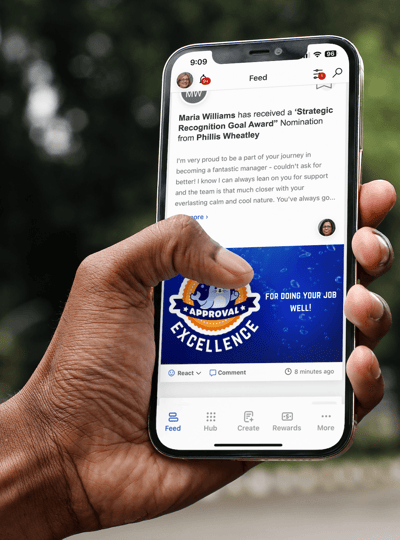
Recognition programs are vital in fostering a culture of appreciation within the workplace. When employees feel valued, their motivation and job satisfaction soar. Implementing initiatives such as on-the-spot awards, shout-outs in team meetings, or digital recognition platforms can amplify this effect. These programs not only boost individual morale but also share best practices to ensure everyone is working at their best, strengthening workplace relationships and ultimately contributing to a more productive workforce.
2. Allow flexible work arrangements
Flexible work arrangements, such as remote work, flexible hours, and compressed workweeks, are increasingly becoming essential in attracting and retaining top talent. By accommodating diverse personal circumstances and respecting employees' work-life balance, organizations demonstrate that they value their team members as individuals. This flexibility leads to higher job satisfaction and loyalty, resulting in lower turnover rates. Companies that embrace flexible work policies are often seen as forward-thinking and empathetic, enhancing their employer brand and making them more appealing to candidates.
3. Prioritize wellbeing
Prioritizing employee wellbeing is crucial for creating a supportive and healthy workplace culture. Our research found that 58% of employees feel a company that cares about their wellbeing is more important than a 10% pay raise. Showing you care includes providing resources for mental health support, wellness programs, and promoting a healthy work-life balance. By offering initiatives like stress-management workshops, fitness challenges, or access to counseling services, businesses can help employees manage stress and improve their overall health. An organization that genuinely invests in the wellbeing of its workforce sees an increase in engagement and productivity, as employees who feel cared for are more likely to perform at their best and remain loyal to the company.
4. Review compensation
Regularly reviewing and adjusting compensation packages is paramount in ensuring that they remain competitive within the labor market. Transparent discussions about salary, benefits, and perks can help employees feel valued and appreciated for their work. Taking the time to update employee job descriptions to match what they are doing and then benchmarking compensation against industry standards can help organizations attract and retain top talent. Furthermore, providing performance-based bonuses or merit increases aligns employee contributions with organizational goals, reinforcing a culture of accountability and motivation.
5. Provide growth and development opportunities
Creating pathways for professional growth and development is a powerful way to enhance employee experience. Organizations that invest in training, mentorship, and continuing education demonstrate their commitment to the long-term career success of their employees. Offering workshops, online courses, or tuition reimbursement programs not only equips employees with new skills but also fosters a culture of continuous learning. When employees see opportunities for advancement and development, they are more likely to engage with their work, reducing turnover and increasing productivity.
6. Use the right technology
Utilizing the right technology is essential for facilitating communication, enhancing employee engagement, and gathering feedback effectively. Implementing platforms for employee surveys, recognition, and collaboration can streamline interactions and ensure that employee voices are heard. Technologies like employee engagement software help senior leadership better reach out to the frontlines. They monitor satisfaction levels and track incremental progress over time. By leveraging data from these tools, organizations can make informed decisions that drive employee experience improvements, ultimately contributing to a healthier organizational culture and better business outcomes.
See how Reward Gateway | Edenred elevates employee experience
At Reward Gateway | Edenred, we believe in the transformative power of prioritizing employee experience. By leveraging technology and recognizing employee contributions, we help businesses create an unparalleled workplace culture. Explore how our solutions can elevate your employee experience, drive engagement, and ultimately improve your ROI.
In conclusion, measuring the ROI of employee experience is crucial for organizations looking to thrive in today's competitive environment. By focusing on both qualitative and quantitative metrics, embracing best practices, and valuing the employee journey, businesses can create a vibrant culture that drives success—and that’s a win for everyone!
Learn more about how Reward Gateway | Edenred’s suite of employee experience solutions can help you transform your company culture and make your corner of the world a better place to work.
