




%20(1).jpeg) Alexandra Powell
Alexandra Powell
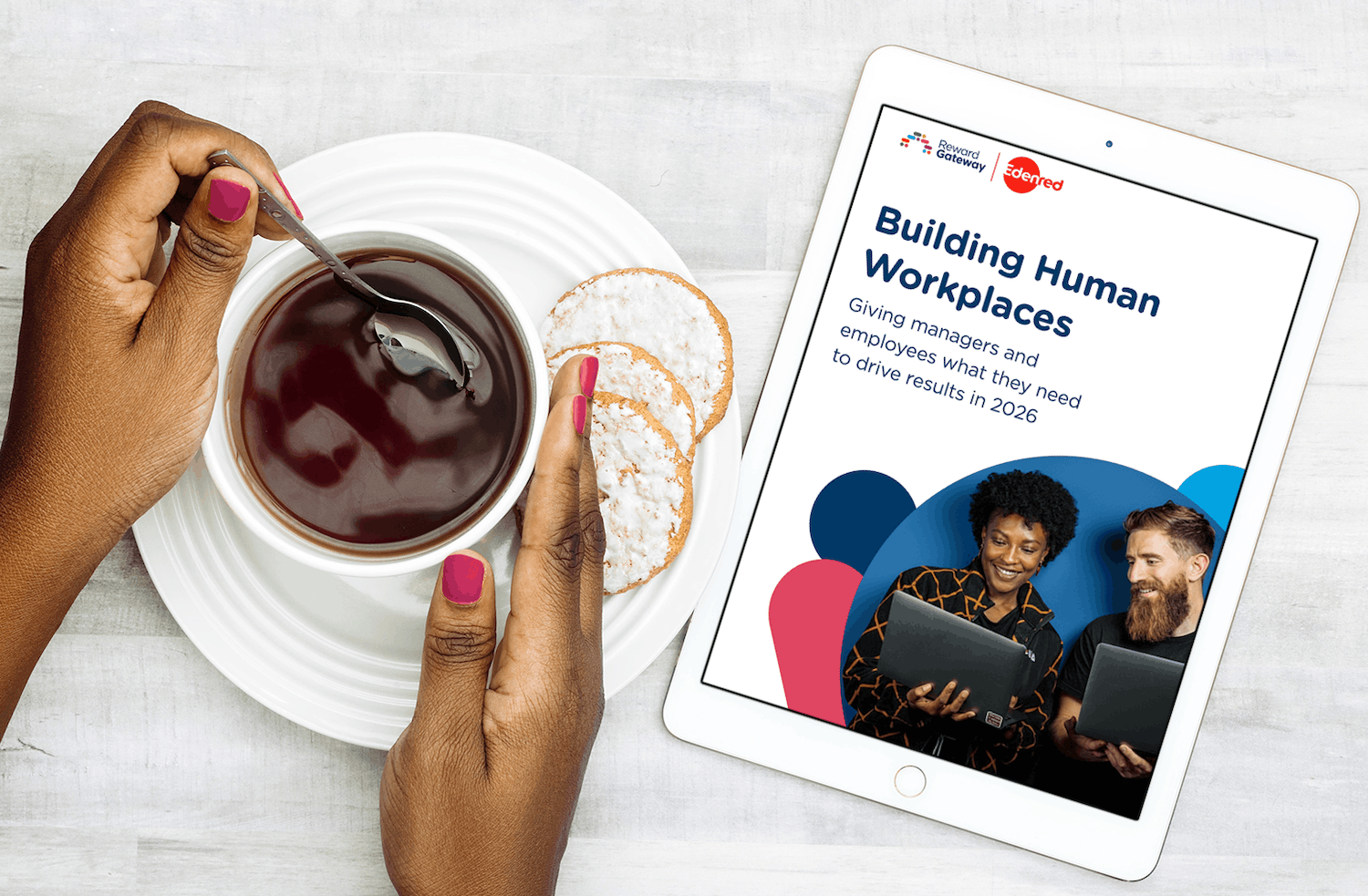
The Building Human Workplaces report reveals critical insights into the state of the workforce, as its findings reveal 1 in 3 managers and 1 in 4 employees are planning to seek new jobs within the next year. The report also highlights that employee’s wellbeing has decreased since 2023, with those feeling frequently stressed increasing from 33% to 37%, and those that are frequently burnt out rising from 23% to 28%.
These trends point to real advantages for those companies that can create a culture in which employees want to stay and are more likely to be productive.
Strategies to improve employee retention in 2026 (and beyond)
1. Be transparent with communication
In an era of uncertainty, employees often fill the void of information with worst-case scenarios, leading to distrust and disengagement. The report emphasizes 80% of employees are more likely to trust when there is open and honest communication. During times of change, trust is a powerful currency that gives business leaders the space they need to make mistakes and adjust.
Ensuring that managers and employees have access to necessary information will help organizations align towards common goals and support increased retention.
2. Support managers with training
 The report highlights that only 44% of managers have received formal management training. Its no wonder that 30% of managers report being overwhelmed. With 79% of employees saying the relationship they have with their manager impacts productivity, taking time to give managers the support and skills they need will pay dividends back into your business.
By investing in comprehensive training programs, organizations can improve managerial competence and the overall workplace experience. Gallup’s findings indicate that coaching training can boost manager performance by 20-28%, making this investment crucial for retention and performance.
Providing additional support to managers in 2026 will create real results for teams and the company.
3. Engage and connect with recognition
In the report, we see 27% of those looking for work saying it is due to not feeling recognized.
Improving your culture of recognition – whether through formal initiatives or informal acknowledgments – can make a significant difference in employees’ willingness to go above and beyond and to stay at the company. For those concerned about having the resources or building a consistent experience for all employees, recognition technology can do much of the heavy lifting. For those worried about having the budget for rewards, 78% of employees say recognition has value even without a reward.

4. Invest in employee wellbeing
Stress and burnout are on the rise, and so prioritizing wellbeing initiatives is now essential. For those organizations that make their efforts known, loyalty will follow. We learned that 58% of employees say they would prefer a company that cares about their wellbeing over a 10% pay raise. While not every people leader will feel as comfortable speaking with employees on wellbeing topics, with proper training and the support of wellbeing-focused benefits employees will have even more reason to stay and provide the value companies need in 2026.
Building for the Future
The findings from our Building Human Workplaces report underscore the urgency of creating a human-centric culture that prioritizes transparency, recognition and wellbeing. With nearly one-third of employees poised to leave for new opportunities, now is the time for organizations to implement these strategies to improve engagement and retention in 2026.
By fostering an environment where employees feel valued, supported and empowered, organizations can navigate the challenges of the current job market and build a committed workforce ready to meet future demands.
Download the Building Human Workplaces report to learn more about how managers and employees are feeling, what they want, what’s working and what isn’t.
