Closing the employee recognition gap across Australia and New Zealand


For the second year running across Australia and New Zealand, recognition and rewards are the top productivity driver. Nearly half of ANZ employees (49%) say recognition and rewards make them feel more productive, up from 43% in 2025. That’s a striking uplift in a single year and a clear signal that, in a low real-wage environment, appreciation is doing more of the heavy lifting for performance.
But there’s a catch. Only 33% of employees say they frequently feel recognised, even as 57% of decision makers believe employees are. That gap is the recognition paradox: leaders think it’s happening; many employees say it isn’t. The result? A proven, relatively low-cost lever is being underused, and productivity is being left on the table.
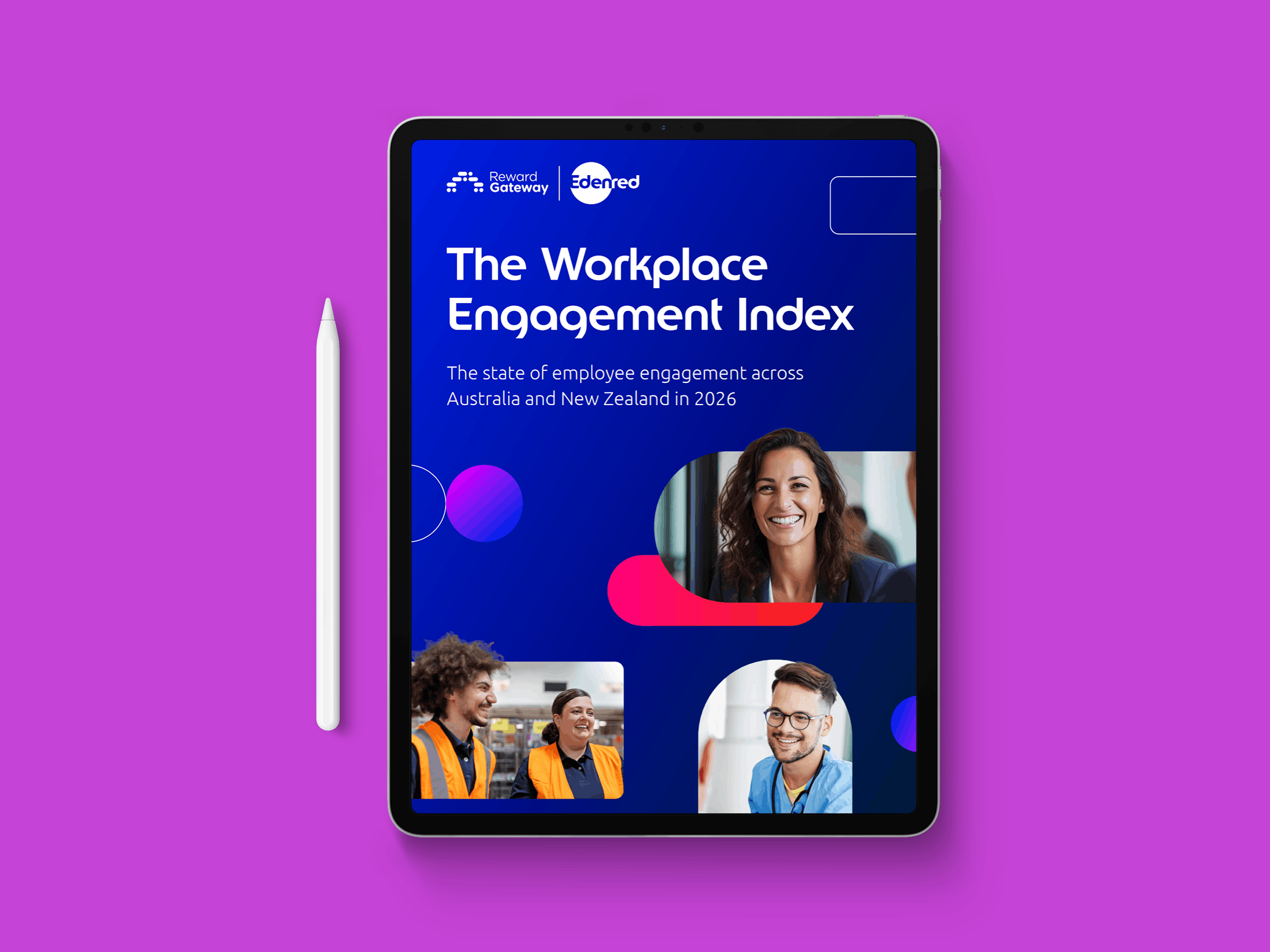
Want to learn more about the state of engagement in Australia and New Zealand? Download our latest research report: The Workplace Engagement Index 2026.

The employee recognition paradox
A 24-point perception gap between leaders and employees rarely exists by accident. Most organisations do recognise people, but not in the ways, moments, or channels that register for employees. Common culprits include:
-
Frequency and timeliness: Thanks that arrive weeks later or sporadically don’t feel like “frequent recognition.”
-
Specificity and substance: Generic “good job” messages don’t land the same as specific, impact-linked praise.
-
Visibility: Private notes might be meaningful, but public recognition can amplify pride and belonging.
-
Equity: If recognition skews toward a few roles, locations, or personalities, others quickly feel overlooked.
-
Manager capability: Many leaders and managers value recognition but aren’t coached on what good looks like in day-to-day practice. Empower your managers to deliver impactful recognition.
-
Channel mismatch: An honourable mention in a leadership email isn’t the same as a shout-out in the team’s daily stand-up or collaboration tool.
None of these gaps require huge budgets to fix. They require clarity, cadence, and consistency. Not sure where to start? Take a look at our handy workbook: Your Essential Guide to Designing a Recognition & Rewards Program.
Australia vs New Zealand: A tale of two opportunities
The opportunity is especially pronounced in New Zealand. Recognition and rewards drive productivity for 56% of New Zealand employees versus 46% for Australian employees . That suggests Kiwis may be even more motivated by appreciation, and that the ROI of doing it well could be higher.
At the same time, lack of recognition is a bigger pain point for disengaged employees in New Zealand: 51% cite it, compared with 41% in Australia. In other words, the stakes are higher in NZ on both sides of the ledger: greater upside when you get it right, greater risk when you don’t.
For leaders operating across ANZ, that calls for a nuanced approach. Maintain a consistent framework across the region, but allow for local emphasis and rituals. In New Zealand, lean into visible, frequent, team-level celebrations to address this clear gap in employee recognition. In Australia, double down on linking recognition to clear outcomes to win hearts and minds, and reinforce the link between recognition and performance .
Why recognition matters now
In a period of constrained budgets and low real-wage growth, recognition is a performance multiplier and a retention lever. It helps people:
-
See the connection between their work and outcomes, sharpening focus on what matters most
-
Feel valued and included, strengthening engagement and lowering the likelihood of attrition
-
Build momentum; small wins recognised in real time fuel bigger wins
Moreover, recognition lowers the activation energy for discretionary effort. Employees who expect their contribution will be noticed are more likely to bring ideas, help peers, and go the extra mile.
When underused, the organisation pays twice: you lose the productivity bump and face higher replacement and ramp costs as disengaged employees drift away.
Closing the gap: What good looks like
The organisations that convert recognition into measurable performance tend to do five things well:
-
Define “frequent” and make it tangible: Set expectations such as weekly micro-recognition at the team level, monthly peer spotlights, and quarterly awards tied to values and outcomes. Vague aspirations don’t change behaviour; simple rituals do.
-
Coach for quality: Train managers to deliver recognition that is timely, specific, and impact-linked. “Thank you for staying late” is nice. “Your fix cut our page load by 18%, customers noticed within hours,” nurtures pride and learning.
-
Make it visible and inclusive: Mix public and private channels. Rotate presenters and honourees so frontline, remote, and office-based roles all show up in the spotlight. Ensure shift workers and distributed teams can both give and receive recognition, not just watch others get it.
-
Enable peer-to-peer: Don’t make recognition a manager-only sport. Lightweight, always-on mechanisms like kudos channels, shout-out eCards, and small spot awards multiply recognition touch points and capture great work managers may not notice.
-
Link to values and outcomes, not heroics: Celebrate prioritisation, collaboration, customer impact, safety, and continuous improvement, not just late nights and firefighting. You get more of what you recognise.
A 30-day sprint to better recognition
If you need momentum fast, try this simple plan:
 Week 1: Baseline and align. Run a pulse survey asking, “I frequently feel recognised for my work,” and segment by team and location. Share the findings and your own baseline with leaders; agree on a working definition of what “frequent” recognition is for your organisation.
Week 2: Equip managers. Provide a short playbook with examples of high-quality recognition, a checklist for 1:1s, and prompts for team meetings. Ask each manager to add a five-minute “wins and thanks” segment to weekly meetings.
Week 3: Launch peer shout-outs. Create a dedicated channel in your collaboration tool for kudos tied to company values. Give each manager a small, trackable spot reward budget for non-monetary tokens or small gift cards to elevate this peer-to-peer recognition.
Week 4: Make it visible. Introduce a monthly all-hands spotlight featuring teams from different functions and locations. Encourage leaders to nominate unsung contributors. Close the month by sharing three concrete examples of recognition that led to measurable impact.
Then, repeat the pulse. The goal isn’t perfection in a month; it’s building habits and proving to employees that the dial is moving.
Measure and calibrate
Finally, keep the perception gap front and centre. Add two questions to your quarterly rhythm: one for employees (“I frequently feel recognised”) and one for managers (“I believe my team frequently feels recognised”). Track the data over time, and review examples that changed minds on both sides. Recognition is as much a cultural practice as it is a program, measurement helps you keep it honest and grounded in reality.
The bottom line
Recognition and rewards are the ANZ region’s top productivity driver for the second year running. With 49% of employees saying recognition boosts their productivity, up from 43% in 2025, this is a lever no organisation can afford to neglect.
Yet only 33% of employees frequently feel recognised, even as 57% of decision makers think they do. Close that gap, and you unlock performance and retention in a cost-conscious era. Leave it unaddressed, and you’re paying an invisible tax on productivity every day.
Create a culture of recognition with Reward Gateway | Edenred
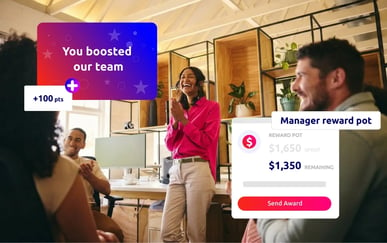
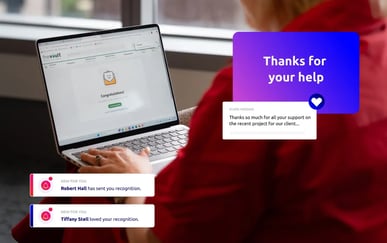
If you’re ready to close the employee recognition gap, Reward Gateway | Edenred empowers you to build a sustainable, high-impact recognition culture across your workforce, uniting peer-to-peer shout outs, manager awards, and milestone celebrations in one platform so appreciation becomes part of daily work.
Schedule a consultation with one of our employee recognition experts and let us help you make your corner of the world a better place to work.