5 dangerous engagement disconnects between leadership and employees


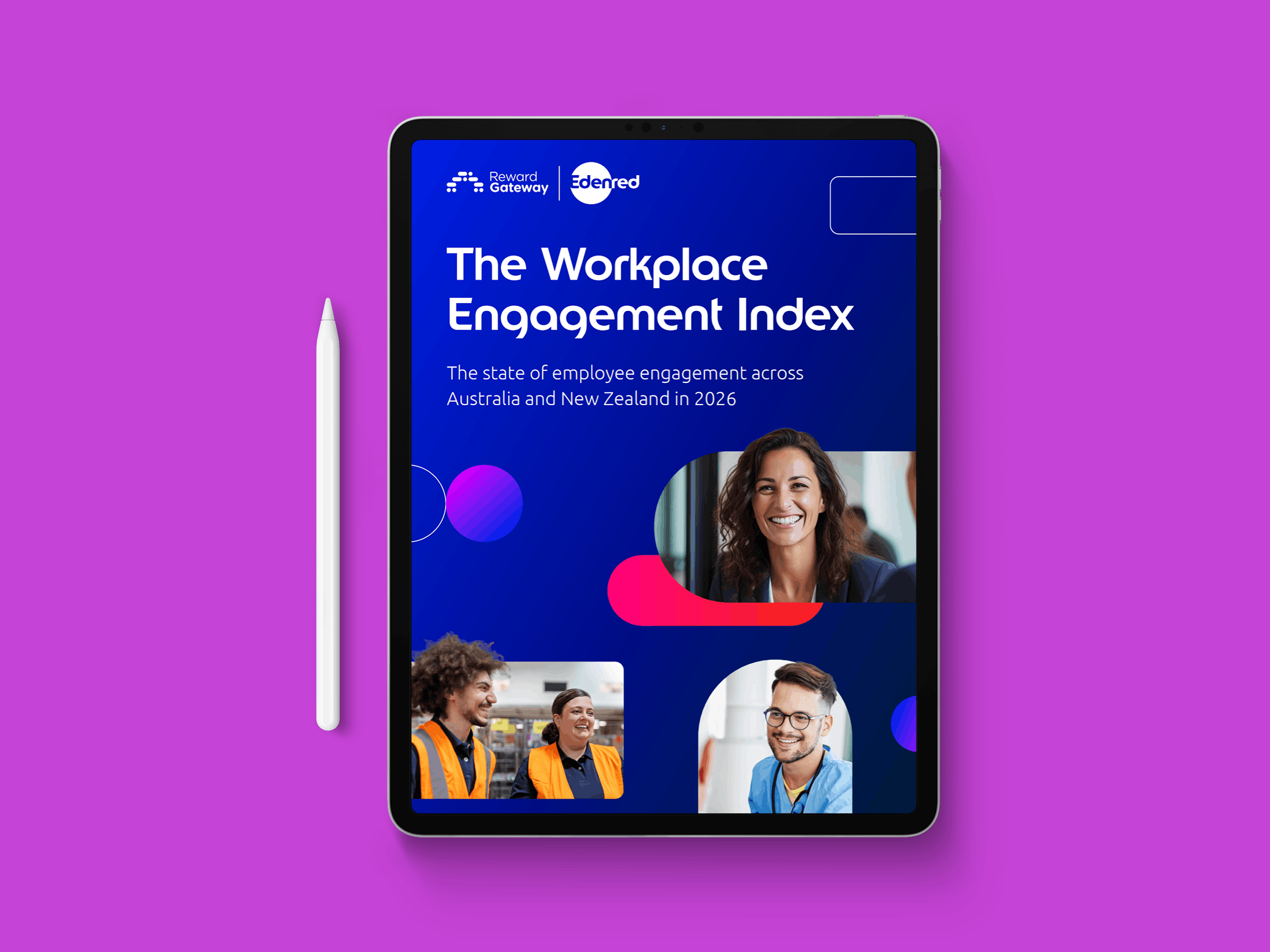
Leaders across Australia and New Zealand are investing in employee engagement, and that’s good news. But our third annual Workplace Engagement Index reveals a stubborn truth: what leaders believe is happening and what employees actually experience still diverge in meaningful ways.
The upside? Those gaps point to clear, fixable opportunities. With a few targeted changes, you can translate intent into everyday experiences employees can see and feel, lifting energy, performance, and connection across the board.
The five biggest disconnects between leaders and employees
1. Recognition: Leaders think it’s happening; employees don’t feel it
Leaders: 57% believe employees frequently feel recognised
Employees: 33% frequently feel recognised
Gap: 24 points
Why it matters: Timely, specific appreciation is one of the fastest, lowest-cost drivers of engagement and discretionary effort. When recognition is late, generic, or uneven, people disengage quietly.
What to try: Ask managers to deliver one piece of specific, values‑linked praise per person, per week. Track recognition frequency and spread by team to ensure everyone feels seen. Encourage peer-to-peer shout-outs to diversify who gets recognised and who’s doing the recognising.
FREE WORKBOOK: Your Essential Guide to Designing a Recognition & Rewards Program
2. Support: Leaders assume support is felt; many employees aren’t feeling it
Leaders: 68% believe employees frequently feel supported
Employees: 46% frequently feel supported
Gap: 22 points
Why it matters: Feeling supported is a leading indicator of resilience and retention. When support is inconsistent, small bumps become burnout.
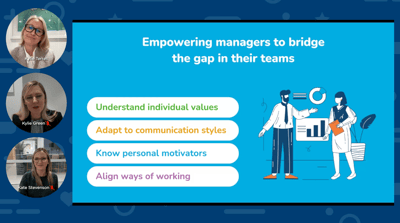
What to try: Establish a consistent 1:1 cadence focused on priorities, workload, and obstacles. Train managers to rebalance work proactively and escalate early. Make “what can I take off your plate?” a weekly question, not a once-a-quarter gesture.
FREE WEBINAR: How to Empower Managers to Drive Performance and Engagement
3. Engagement: Leaders see progress; employees see stagnation
Leaders: 46% think engagement has increased
Employees: 25% say they’re more engaged, 50% say there's been no change
Gap: 21 points
Why it matters: Engagement is the flywheel that powers productivity, innovation, and customer outcomes. If employees don’t feel it, it isn’t happening—no matter the dashboard.
What to try: Move from annual listening to a monthly pulse survey (5–7 questions) that you close the loop on within two weeks. Co-create two quick wins per team, every cycle. Over-communicate what you heard and what you’re doing about it.
BLOG: Building a business case after poor employee survey data
4. Joy: Leaders expect more joy than employees report
Leaders: 60% think people frequently feel joyful
Employees: 41% frequently feel joyful
Gap: 19 points
%201.png?width=400&height=255&name=2025_JdV_eCard_Gotham-01%20(1)%201.png) Why it matters: Joy isn’t fluff. It buffers stress and fuels creativity and perseverance. Teams that celebrate progress sustain pace without burning out.
Why it matters: Joy isn’t fluff. It buffers stress and fuels creativity and perseverance. Teams that celebrate progress sustain pace without burning out.
What to try: Build small moments of joy into routines, gratitude rounds, milestone markers, and learning spotlights. Protect autonomy in how goals are reached and create space for connection across teams.
BLOG: Why employee joy is the most underrated engagement driver
5. Productivity: Closer, but still misaligned
Leaders: 71% believe people frequently feel productive
Employees: 61% frequently feel productive
Gap: 10 points
Why it matters: Feeling productive is as important as being productive. When progress is hard (too many meetings, unclear priorities), motivation suffers.
What to try: Adopt capacity-first norms: meeting-free focus blocks, caps on weekly meetings, and quarterly goals matched to realistic bandwidth.
FREE WEBINAR: For the second year running, recognition and rewards is the number one driver of employee productivity. Learn how to leverage this powerful tool with our recent webinar: Recognition Best Practices for 2026.
What employees are telling us about 2026
Three themes topped the list of what’s holding employee engagement back this year. Each can be addressed with intentional, human‑centred practices:
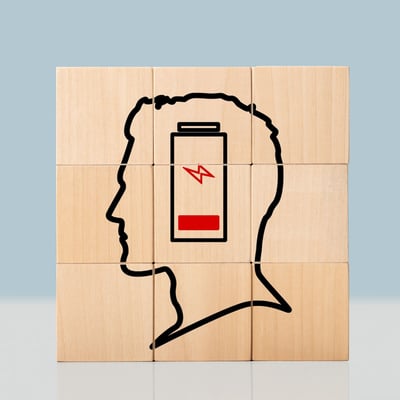
Work-related burnout
People need sustainable workloads, protected focus time, and permission to recharge. Normalise meeting-free blocks, require PTO usage, and teach managers to spot early signs of overload (slipping deadlines, increased after-hours activity) and rebalance work before it becomes a problem.
 Lack of joy at work
Employees crave connection, autonomy, flexible working, small celebrations, and meaningful work. Design your organisation around sparking joy at work and you'll see significant ripple effects to engagement, productivity, retention. Don't believe us? Check out our recent research on the power of joy at work.
Lack of recognition for hard work
Appreciation matters deeply and unfortunately it’s often missing or inconsistent. Coach managers to give timely, specific praise tied to values and impact. Make peer-to-peer, social recognition easy and equitable. Track recognition so the same few people don’t always get the spotlight.
Turn insights into a credible, executive-ready business case
-
Start with risk and opportunity: Use the 10–24 point gaps in recognition, support, joy, productivity, and engagement as an outside-in benchmark to show misalignment between leadership intent and employee experience. Pair with your own pulse survey data to localise the story by function and team.
-
Translate gaps into dollars: Quantify the cost of avoidable turnover, lost productivity, and reduced discretionary effort. Even small improvements in recognition and support, the largest reported gaps, often require low investment and generate outsized returns. As a reference point, the average cost of losing an employee is $33,000; so a modest reduction in regrettable turnover can quickly pay for a recognition platform.
-
Link to outcomes you already track: Connect team engagement to retention, absenteeism, time-to-deliver, quality/safety, revenue per employee, and customer NPS. When possible, show correlations by team or role to target investment where it will have the greatest impact.
-
Prioritise low‑risk, high‑value actions: Start with a simple listen‑and‑respond cadence, manager enablement around support and workload clarity, and values‑linked recognition. These are fast to pilot and easy to scale.
-
Check the ROI: Set a baseline, make the changes, measure progress, and report results. Share early wins to build executive sponsorship and retain momentum.
Manager micro‑habits that close the gaps
Want to kickstart your manager enablement with some easy examples? Check out the below:
Recognition script: “I want to call out how you handled X yesterday. Your attention to Y saved us Z hours and lived our value of [value]. Please keep doing [specific behaviour], it makes a real difference.”
Support check-in: “What’s the most important thing you need to make progress on this week? What can I remove or reprioritise for you? What’s one decision I can make to unblock you?”
Joy moments: Kick off team meetings with a 60‑second gratitude round or a “progress postcard” where one person shares a recent win or learning. Alternate who facilitates to build inclusion.
Sustainable performance: Protect two 90‑minute focus blocks on shared calendars, trim recurring meetings by 25%, and time box decision-making so issues don’t linger and pile up.
What's next?
This isn’t a call for more initiatives, it’s about embedding support, joy, and recognition into the fabric of your daily work. Make listening a habit, be transparent about what you heard, and visibly follow through.
When leadership intent shows up in employees’ everyday experiences, engagement doesn’t just inch up, it accelerates rapidly. If you're looking for higher retention, lower burnout, higher engagement, happier customers, and stronger revenue, it's time to close these persistent perception gaps and invest in your people.
Want to connect with your people and boost performance in 2026? Chat to one of our employee engagement experts today to see how we can help support you and your workforce.