Recapping RGER Live: The Joy Factory
Missed our latest RGER Live event? We’ve got you covered! Here’s your recap of the day, including the big ideas and actionable takeaways from our incredible speakers and sessions.

.jpg?width=2000&name=_R2A5064%20(1).jpg)
At this incredible RGER Live, we welcomed over 1,500 HR and business leaders from across Australia and New Zealand, both in-person and online, for a day of honest stories, thought-provoking insights, and energising conversation.
From fresh research on the state of engagement, to leadership lessons on cultivating joy across generations, to tangible ways to bridge the connection gap in hybrid and frontline environments, the event focused on tools HR leaders can put to work right away.
Below you’ll find a session-by-session roundup of the biggest ideas, practical takeaways, and where to go to revisit each conversation. All available recordings and slides are in the RGER Live Content Hub.
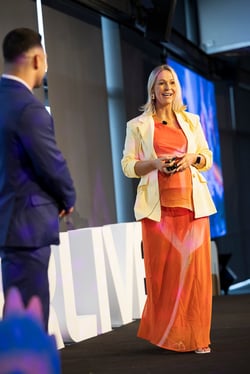
Hey, I'm Bel, Head of Consultancy, APAC here at Reward Gateway | Edenred, and it was my absolute pleasure to host RGER Live alongside my colleague Sean Lonergan at The Glasshouse in Melbourne.
In this recap, I’ll take you through the nine fantastic sessions from RGER Live: The Joy Factory, highlighting the insights and ideas that sparked joy and discussion.
A huge thank you to everyone who joined us, whether in person or virtually. The joy in the room and the positive energy we felt throughout the day was truly special.
It's so amazing to see so many people leaders come together and commit to engineering and enabling joy at work.
If you’d like to continue the conversation on how to bring these strategies to life in your organisation, our team would love to chat. Reach out to us here.
Cultivating Joy: Leading an Intergenerational Workforce in the Future of Work
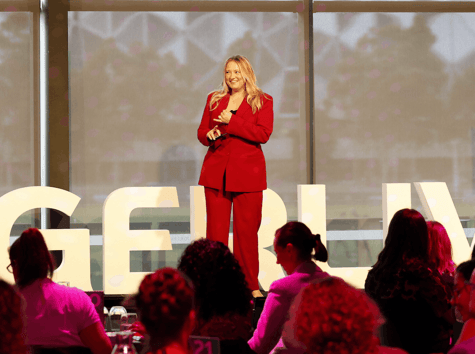
We opened the event with a research‑rich, energising keynote from demographer and futurist Ashley Fell, who argued that the force quietly reshaping every organisation isn’t AI or remote work, it’s generational change. With bucketloads of humour and data, she reframed “cultivating joy” as the result of everyday conditions; clarity, progress, belonging, and recognition; rather than perks. Her message to leaders was clear; context shapes expectations, so if you understand the generational contexts your people grew up in and design intentionally for them, you’ll unlock stronger engagement and performance. It’s why a national study she analysed found “learning to work effectively with people of different generations” outranked other future‑of‑work priorities.
Ashley mapped the landscape from Builders and Baby Boomers to Gen X, Y (Millennials), Z and the emerging Gen Alpha (with Gen Beta on the horizon). By 2035, one in five workers is projected to be Gen Alpha, and the oldest are already entering the workforce. Each cohort carries formative technologies and norms that shape how they communicate and lead, from hierarchical models to collaborative ones and from fax machines to hybrid work. Her playbook focused on three moves:
-
Be a culture creator: Set the conditions where great culture can thrive; psychological safety, clear values, visible recognition, because for many, work is a lifeline to connection and belonging.
-
Be an enlarging leader: Leadership is a behaviour, not a title; encourage, equip, and entrust people, and invest in development, train them well enough to leave, treat them well enough that they don’t want to.
-
Be curious about differences while remembering the timeless: Preferences vary (Gen Z seeks approachable leadership and growth; Gen Y values flexibility; Gen X often leads with remuneration; Boomers emphasise location), but two threads run through every cohort. Accessible, approachable leadership and trust.
What does this look like practically? Ask individuals how they like to be recognised and communicated with, build simple manager rhythms that make progress visible, use technology to increase reach for hybrid and frontline teams, and measure what matters: trust, belonging, and the outcomes of recognition and development. After all, as Ashley reminded us, people may forget what we said or did, but they won’t forget how we made them feel.
Watch this session and download the slides here.
The State of Workplace Engagement in 2026: Why Joy Drives Performance
.jpg?width=521&height=347&name=_M7A3141%20(1).jpg) Kylie Green, Managing Director, APAC, and Kylie Terrell, Director of Consultancy, APAC opened this research presentation with a clear premise: in a tough economic and business climate, joy isn’t fluff, it’s a performance lever.
Kylie Green, Managing Director, APAC, and Kylie Terrell, Director of Consultancy, APAC opened this research presentation with a clear premise: in a tough economic and business climate, joy isn’t fluff, it’s a performance lever.
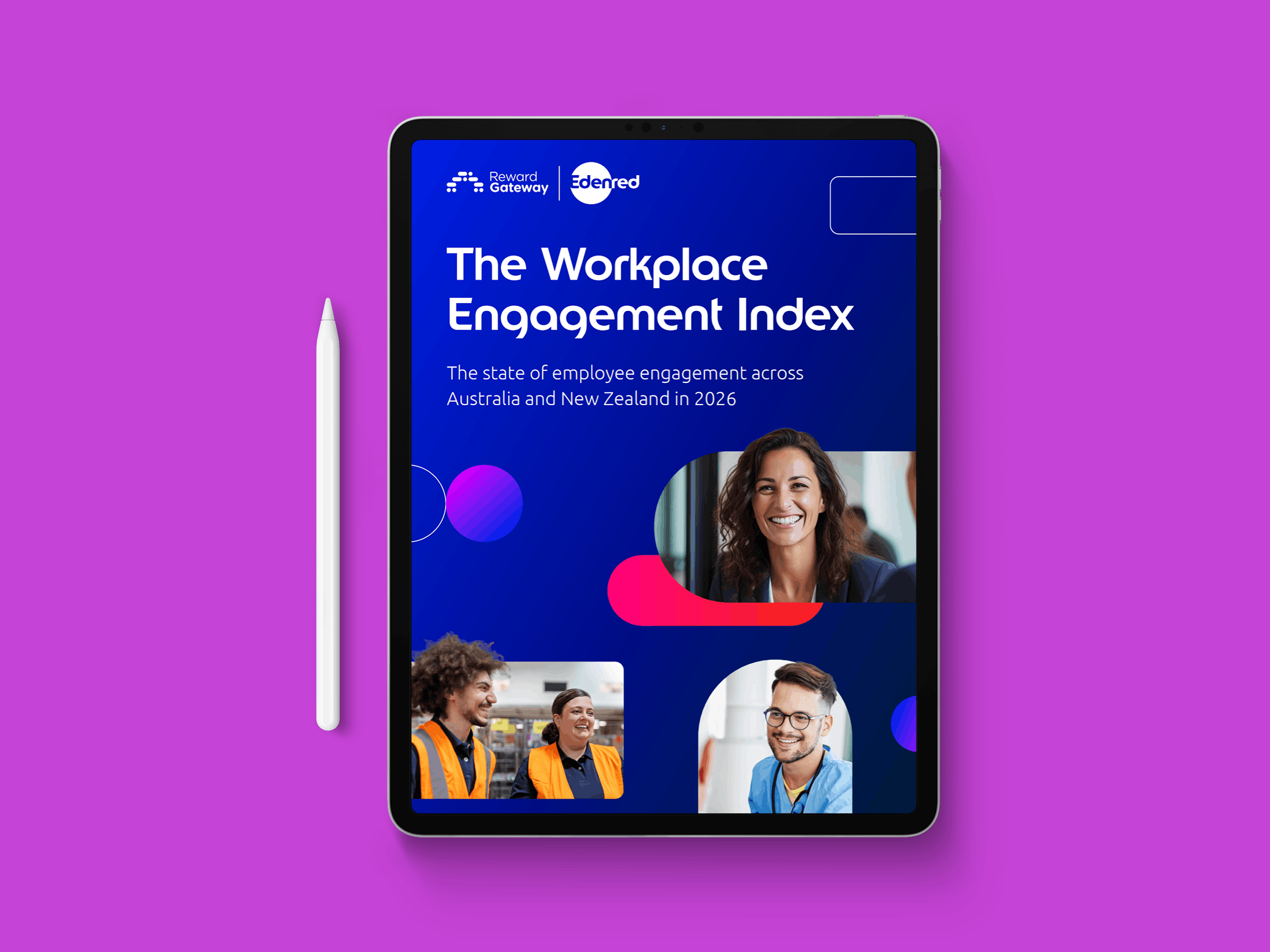
They explored our latest findings from the 2026 Workplace Engagement Index: 25% of employees feel less engaged, 25% more, and 50% are unchanged, while leaders are nearly twice as likely as employees to think engagement has risen. Today’s most engaged groups include Gen Z and fully remote or fully office‑based workers; the least engaged are frontline and deskless teams.
The risk, they argued, is “regrettable retention”: people staying but not leaning in. Disengagement, driven by burnout, lack of recognition, stress, and cost of living pressure, costs an estimated $211B a year. So, how do we combat disengagement and drive discretionary effort?
Treat joy as a performance driver: 93% of employees say it boosts engagement; 91% say it improves their productivity; 92% say it drives connection; and 91% say it makes them want to stay. Build a “Joy Factory” in your own business with micro‑moments and manager habits: use the Recognition Pyramid and the AVI Model (Action, Value, Impact) to kickstart this (check out the slides here). Even one weekly shout‑out makes employees 5x more likely to feel connected. As leaders, we need to be “joy architects”. Swap a perfunctory thumbs‑up for specific, values‑linked praise, make progress visible, and coach for momentum.
Watch this session and download the slides here.
Joy on the Frontline: Building Belonging in Purpose-Led Work
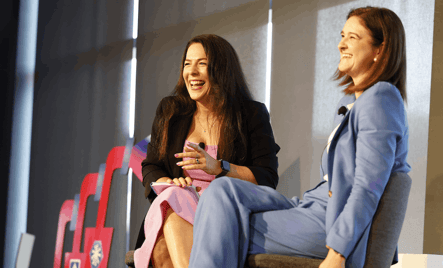 Reward Gateway | Edenred’s Mel McCarrick and Scope Group’s Acting CPO Kelly Knowles explored how authentic employee experience shapes brand perception, especially in frontline-heavy organisations. Kelly showed where joy truly lives at Scope: in “small glimmers” between clients and support workers, from backyard strawberries and cooking together to a client mastering an air fryer. The challenge is connecting a dispersed workforce to the big picture while elevating the local wins that fuel purpose and pride.
Kelly defined joy as “positive discretionary energy” and urged leaders to fix the “leaks” that drain it; process and system friction that pulls people from good work. Scope now closes executive meetings by asking if decisions added “trust coins” to clients and support workers; they protect team belonging by minimising casualisation and embrace a brand that “lives in the relationship,” not signage. The key takeaways: fix leaks before adding programs; co‑design changes with your frontline and don’t ship until they’ve blessed it; keep brand and comms real; equip leaders to recognise and retell micro‑moments; and invest in what replenishes staff, learning, continuous improvement, and strong supervisors. In frontline organisations, employee and client experience are inseparable, cultivate one and remove leaks in the other to strengthen both culture and brand.
Watch this fireside chat here.
The Talent Shift: How The Next Generation Chooses Where to Work
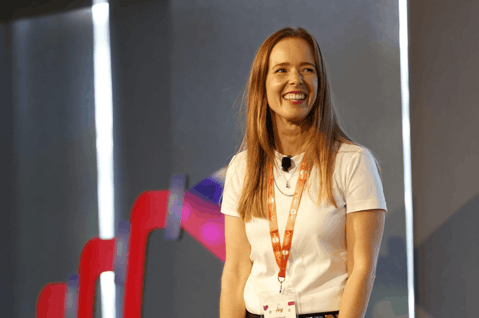 In this session, Alex McVeigh, founder of She Graduates, argued the rules of employer branding haven’t so much “changed” as sharpened: you already have the skills, but the next generation demands more specificity and empathy. Don’t treat Gen Z or Alpha as a homogenous bloc, segment by life stage, industry, location, and values.
Start by asking your people and target talent what they want (small, honest forums; partner data from Seek, LinkedIn, or Indeed), then define a clear, differentiated offer, what you are and aren’t and communicate it everywhere. Generic promises won’t cut through; specificity will.
In a fragmented media world, ensure your audience knows you then meet them where they actually are: online gaming for tech talent, niche podcasts for on‑the‑road roles, and campus outdoor advertising (digital screens, branded cups) for grads. Social media and AI dominate and they'll research hard to understand what it's truly like to work at your company. They don’t instinctively trust brands; build credibility through employee advocacy and start with leaders as visible advocates. Finally, remember jobs feel like subscriptions: every pay cycle is a chance to “renew,” so internal comms and day‑to‑day reality must keep selling the EVP you advertised. Treat employer brand as an ecosystem, message, channels, and on‑the‑job experience, and you’ll earn next‑gen attention and loyalty.
Watch this session and download the slides here.
Why Fun Isn't the Opposite of Work: It's What Makes Work, Work
Funlab’s Head of Engagement for People Experience, Naz Wilson, made a spirited case that “fun” isn’t the opposite of work, it’s what high performance feels like when the right conditions exist. You don’t “make fun”; you design systems that make the working work.
Drawing on 18 years helping build Funlab (Strike Bowling, Holey Moley, Archie Brothers, and Hijinx Hotel), Naz showed how guest‑experience rigour (“detail in the retail,” even specific scents at their venues) can translate to people experience. With 2,500 “mother funners” across three countries, 79% under 21 and many in their first job, Funlab turns obstacles into advantages: everyone is employed by Funlab (not just the venue brands) to fortify one culture and mobility. Culture, he argued, isn’t “owned”, it’s a tidal force, and only becomes a net positive when three forces align: explicit practices (policies, rituals, tools), implicit norms (what people actually do under pressure), and organisational objectives (purpose, strategy, espoused values). Mismatches create noise or drift; alignment creates momentum. 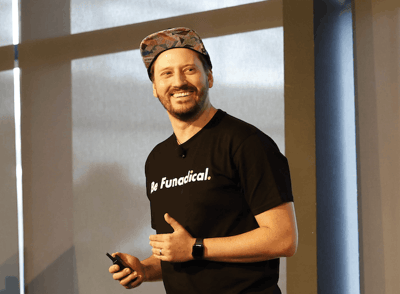
His playbook was was all about focusing on the fun and the practical. First, recruitment is culture work: take an always‑on, values‑aligned approach (they’ll even do first‑round interviews in costume), involve multiple voices, and let candidates self‑select; skills can be taught, values can’t. Second, expectations should empower: give a map, not directions; define what good judgment looks like for your company; build a simple decision framework everyone can use; revisit expectations via brief/debrief so decisions (and indecisions) don’t quietly reset standards. Third, recognise what matters: make it specific, story‑driven, and personal. Avoid over‑standardising to the point of soullessness. Funlab’s “Motherfunner for Life” (five‑year milestone) grants free activities for life and commemorates careers with a personalised comic book, amplifying valued behaviours and reinforcing peer‑to‑peer pride. The takeaway: fun has a branding problem. It’s not fluff; it’s the by‑product of aligned systems, empowered judgment, and meaningful recognition and when you get those right, performance and joy compound.
Watch this session and download the slides here.
From Meh to Meaningful: Designing Experiences People Actually Care About
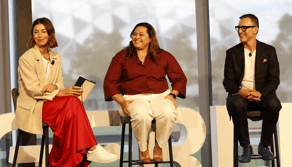 In this panel discussion, Reward Gateway | Edenred's Head of Client Success, SMB & Mid Market, Kameel Martin; Group Retail Director, Daniele Iezzi; and Employee Engagement Consultant, Phoebe Hutton unpacked how to make benefits feel personal and connected across a multi-generational workforce. Treat employees like an audience, not a captive list; listen for cues, ask smart questions, then act to create a moment that sticks. Translating that to benefits, RGER has expanded its offer set by over 500 partners in the last two years to support a wide range of life stages from school starters to home buyers to those struggling with fertility. The goal: meet people where they are, whether they’re 17 and casual at Hungry Jack’s or navigating mortgages and interest rate rises.
The other half of the equation is distribution. Kameel urged HR teams to think like marketers: one email won’t deliver ROI. Segment by audience (Gen Z to Boomers) and go multichannel; email plus a back‑of‑toilet QR code, TV screens in the lunchrooms, onboarding touch points, internal communications platforms, push notifications, and even WhatsApp or SMS.
The takeaway: design meaningful, life‑stage benefits; communicate them where your people actually are; and measure, learn, and iterate. Personalisation plus smart comms equals usage, and usage is where your ROI thrives.
Watch this panel here.
The Connection Crisis: Bridging the Gap Between Isolation, Inclusion, and Innovation
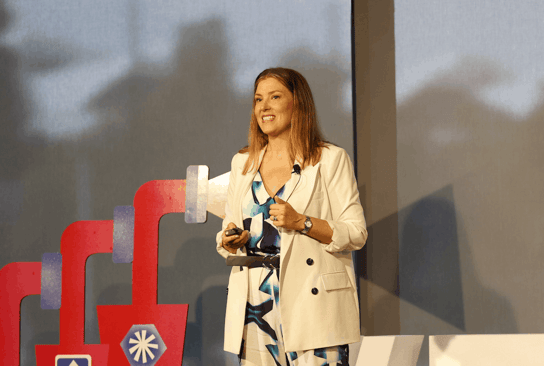
Dr. Marnie Gibson’s keynote tackled the “connection crisis” head‑on, focusing on the primal workplace need we’ve accidentally engineered out: being seen. Expecting to write a dry productivity report, her research with ~300 employees revealed a “ghost story”: people working 40+ hours, hitting KPIs, yet feeling invisible to colleagues. We’re digitally tethered but fundamentally alone, confusing message volume for depth and office attendance for belonging.
The data is stark: 27% of employees are chronically lonely (a psychosocial risk), while among those who aren't lonely, engagement and psychological safety are 33% higher. With Australia’s psychosocial safety regulations tightening, HR must proactively manage risk through work design and, crucially, leader capability. If psychological safety is about relationships, leadership must be relational.
She introduced a “relationship pyramid” that explains why so many feedback conversations implode. The bottom three “safe” layers; being seen (smiles/nods), small talk about “stuff and things,” and talking about others; avoids vulnerability and can't withstand constructive performance feedback. To enable growth, innovation, and high performance, leaders must operate in the “risky” top relational layers; sharing self (ambitions, preferences) and feelings (fears, motivations). Too many organisations flip the pyramid, demanding innovation before earning trust. She then outlined a “resource caravan” that moves in tandem: social support (one‑way help), social capital (reciprocal “being known”), and inclusion (the linchpin that bonds the group). In practice, leaders must shift from one‑to‑one, didactic check‑ins to building lateral ties and moments of vulnerability that knit teams together, especially for Gen Z, who seek meaning and purpose more than mandates to be in the office.
Three takeaways to act on now:
-
Audit your caravan: Identify “lone travellers,” then connect them laterally with projects, social committees, and leader drop‑ins.
-
Activate inclusion: Ensure every team member has a level‑4 conversation (sharing self) at least monthly; aim for weekly touch points where possible.
-
Manage the flow: Respect different comfort levels while steadily moving people up the pyramid; shift the focus from compliance to connection so people aren’t just in the room, they’re known in it.
Watch this session and download the slides here.
The Real Return on Joy with Global Engineering and Construction
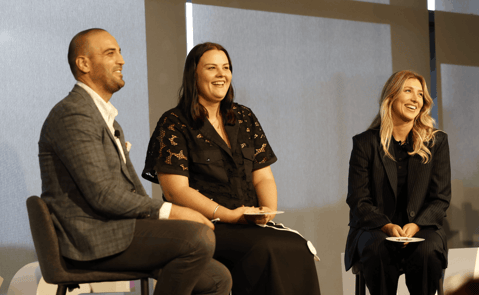
Our very own Conor Barnes sat down with Annelies Maxwell (General Manager People & Culture) and Rilee Quirk (People & Culture Team Lead) from Global Engineering and Construction to unpack how “joy” becomes a commercial lever, not just a feel-good ideal. In a period of rapid growth, two acquisitions and the launch of an electrical division, Global’s lens is simple: joy creates a frictionless culture where good humans can do great work. That's reflected in how people “show up” during change and in the disciplines that make it possible: frequent recognition, clear connection, and meeting people where they are. With a predominantly fly‑in, fly‑out, dispersed workforce, email wasn’t cutting it. Having used Reward Gateway | Edenred before, the Global team implemented it again, this time as a dedicated integration hub for newly acquired teams, giving them a tailored 90‑day experience to understand “who Global is,” centralise the essentials, and create alignment fast. Crucially, senior leaders were brought in early (this platform is “not for us”) to ensure buy‑in and shared ownership.
The stories made the business case real. For International Men’s Day (with ~80% of the workforce male), the team asked family members to write personal notes to FIFO employees, a low-cost initiative that landed powerfully, with site teams calling it their biggest surprise in years. Their new recognition program, Global Impact, celebrated 50+ quarterly winners by delivering blue YETI eskies on-site, tangible symbols employees proudly take to weekend BBQs. One seven‑year veteran called it the best day of his career, a moment that lifted the whole site.
Beyond sentiment, the ROI is visible in the data: 50% of FY26 open roles have been filled via employee referrals (without a paid referral program!) and 10% by returning “boomerang” hires. That advocacy signals a healthy culture that attracts and retains talent at lower cost.
Their playbook balances scale with nuance. Recognition is a basic human need, whether you're blue‑collar or white‑collar, and small, specific, timely gestures matter as much as big rewards. Communication must be multi-channel and continuous; their platform now meets FIFO teams where they are, reinforcing key messages far better than email alone. And “microcultures” are a strength: the reality on-site will differ from the support office, and should, so long as values and intent are shared. The takeaway: design for connection and recognition, prove it with stories and numbers, and joy will pay for itself in referrals, engagement, and execution velocity.
Watch this panel here.
Upgrading the Human Operating System: Leadership, AI, and the Real Joy in Work
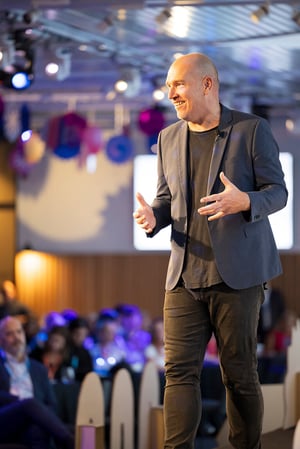
Dom Price sent RGER Live Melbourne out on a high with a challenge that felt both timely and actionable: our hardware has been upgraded, but our “human operating system” is still running legacy code. In the age of AI, he argued, performance and joy won’t come from more tools or more activity, they’ll come from redesigning how we work together. That means defaulting to trust, shortening the distance between decisions and the work, and replacing busywork with flow. Joy, in Dom’s frame, isn’t a perk; it’s the byproduct of clarity, progress, and belonging when teams have the conditions to do their best work.
A core theme was unlearning. Many teams still optimise for outputs and attendance, not outcomes and value. Dom pushed leaders to declutter the system: kill “zombie” rituals, cap work-in-progress, fix meeting hygiene, and make decision rights explicit so problems are solved closest to the customer. Do less, better, together and make the progress visible so people feel it.
"Dysfunction is the gap between what you know and what you apply".
Note: This session is not available for post-event viewing
All available session recordings, slides, and resources from RGER Live: The Joy Factory are now in our Content Hub, perfect for revisiting or sharing with your team.
Access the full content hub here.
Want to explore how Reward Gateway | Edenred can help you spark joy and bring these people strategies to life in your organisation? Get in touch with our team today.