


 Mary Kathryn Midgett
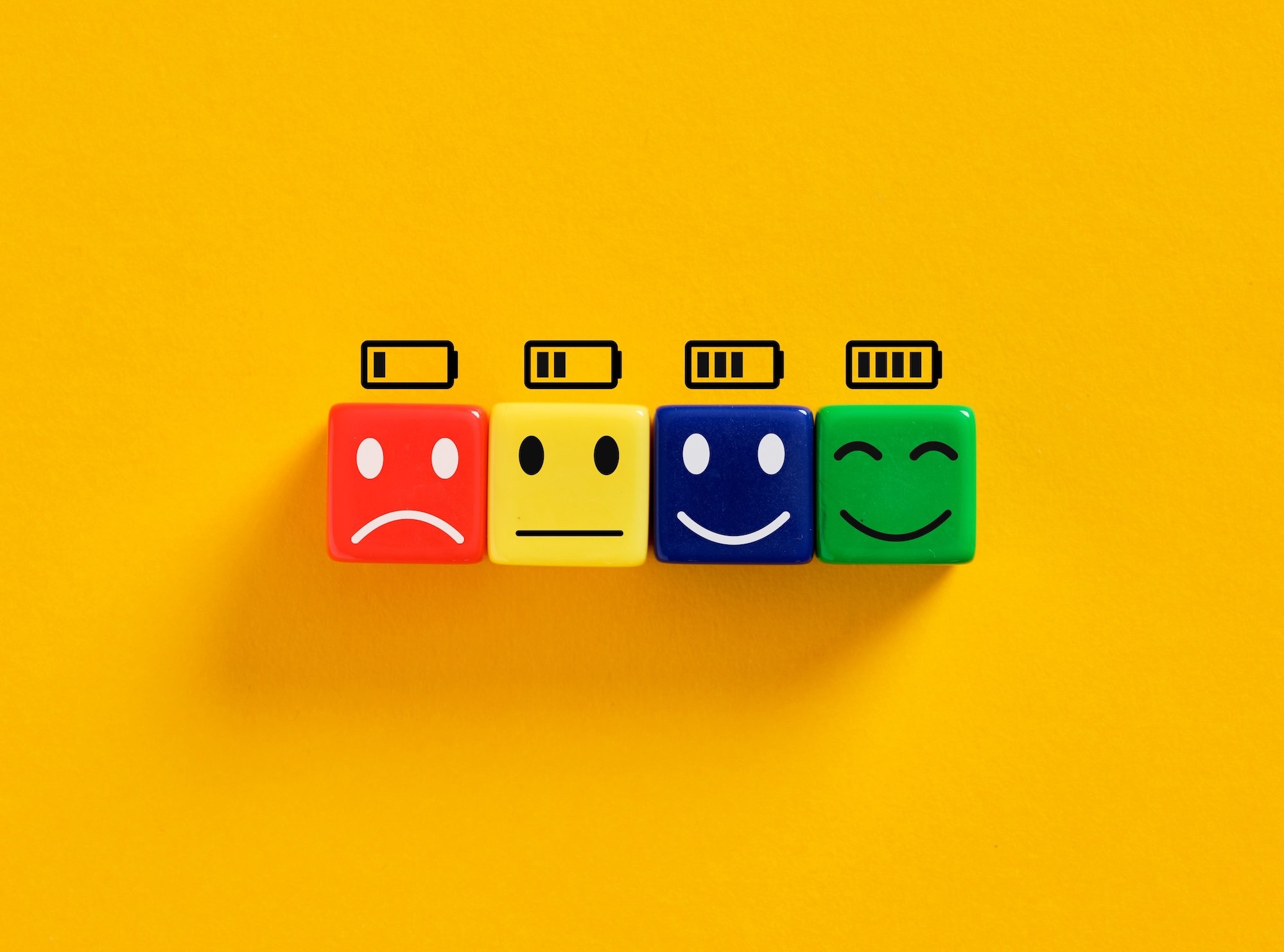
Most HR leaders don’t need convincing that employee wellbeing matters. The harder part is figuring out what to offer: Ideas that people will actually use, fit the budget and work for teams with different schedules, locations and needs.
There’s no single program that suits every workplace. A small team might get a lot from flexible hours and a monthly walking group, while a larger organization may need a broader mix of support. The best place to start is with practical options your employees can access and your organization can sustain.
Why employee wellbeing programs matter more than ever
 Work has changed. Hybrid arrangements are common, teams may be spread across locations and the boundaries between work and personal time can be harder to maintain. At the same time, burnout and retention remain concerns for many employers. A wellbeing program won’t solve every workplace challenge, but it can give employees useful support and show that their day-to-day experience matters.
That support doesn’t have to mean an elaborate benefits package or a packed calendar of events. It might be clearer guidance on where to find help, more opportunities to connect or small changes that make it easier to take a break. The key is offering choices that fit real working lives.
Wellbeing also has a practical place in the way organizations engage and retain people. When employees feel supported, they may be better able to stay involved, manage challenges and build stronger connections with their colleagues. A thoughtful program can contribute to that – especially when it reflects what employees say they need, rather than relying on a one-size-fits-all idea of wellness.
The core pillars of a modern employee wellbeing program
A useful wellbeing program looks beyond one activity or benefit. It offers support across several parts of life that can affect how people feel at work. The right mix will depend on your employees, but these four pillars are a practical place to start.
 Physical health initiatives
Physical wellbeing can include movement, rest and access to health resources. Options might range from walking groups and ergonomic guidance to preventive health screenings. Keep participation flexible so employees with different abilities, schedules and interests can take part in ways that work for them.
 Mental health and emotional wellbeing
People may need different kinds of support at different times. Mental wellbeing initiatives could include access to counseling or employee assistance programs, mental health resources for managers and encouragement to take regular breaks. Make it clear where support is available and protect employees’ privacy when they use it.
 Social wellness
Positive relationships can help people feel connected to their team and workplace. Informal meetups, peer recognition and buddy programs can create chances to get to know colleagues, particularly for new starters or people working remotely. Keep activities welcoming and optional so they feel like an opportunity, not another obligation.
 Financial wellness
Financial concerns can affect wellbeing, but employees may not always feel comfortable raising them. Practical support could include financial education sessions, budgeting resources or access to guidance on workplace benefits. Focus on useful information employees can act on, without assuming everyone has the same circumstances or goals.
Popular employee wellbeing program ideas to try
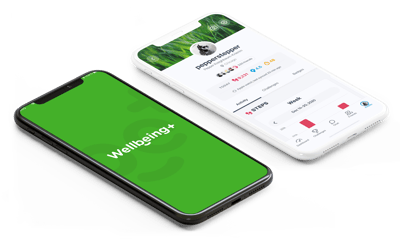 You don’t need to launch everything at once. Choose a few ideas that fit your team, explain how people can take part and see what gets a good response. A mix across these four areas can help make the program useful to more employees.
Physical wellbeing
- Step or movement challenges: Invite employees to set their own goals and join individually or in small teams. Offer ways to participate that don’t depend on walking, such as cycling, stretching or other accessible movement.
- Walking groups or active breaks: Set up optional group walks or short stretch breaks during the workday. For distributed teams, share a prompt employees can use wherever they are.
- Ergonomic check-ins: Share guidance on setting up a comfortable workspace and offer a way to request an assessment or equipment where possible.
Mental and emotional wellbeing
- Guided meditation or quiet breaks: Share short audio sessions or schedule optional moments to pause during the day. Make clear that employees can choose what works for them.
- Mental health resources: Gather information about counseling, employee assistance programs and other available support in one easy-to-find place. Remind employees how to access it and what to expect.
- Manager learning sessions: Give managers practical guidance on noticing signs of strain, having supportive conversations and directing employees to appropriate resources.
 Social wellbeing
- Lunch-and-learns: Invite colleagues or guest speakers to share useful ideas on topics employees care about. Keep sessions informal and make recordings or notes available when feasible.
- Peer connection groups: Create optional groups around shared interests or experiences, with simple guidance to help keep conversations welcoming.
- Recognition moments: Make it easy for colleagues to thank one another for helpful work, big or small. Be mindful that not everyone prefers public recognition.
Financial wellbeing
- Financial education sessions: Arrange practical talks on topics such as budgeting, saving or understanding workplace benefits. Keep the focus on general guidance rather than personal financial advice.
- Benefits explainers: Offer clear, easy-to-find information about the benefits employees already have and how to use them.
- Wellbeing calendar: Use a monthly calendar to share resources, activities and reminders across the year, while leaving room to respond to what employees need.
Whatever you try, make participation manageable and communicate the details clearly. A short pilot or employee survey can help you learn what’s useful before investing in a bigger rollout.
Wellbeing ideas for remote and hybrid teams
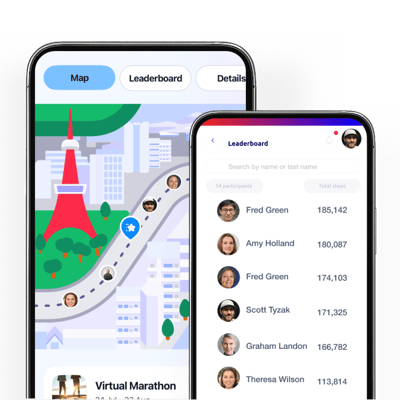 Remote and hybrid employees may have fewer natural chances to connect, take breaks together or hear about available support. A useful program makes wellbeing easy to access wherever people work, without expecting everyone to join live activities or be online at the same time.
- Virtual social hours: Offer an occasional, optional video meetup with a light activity or open conversation. Keep it short and make it easy for employees to skip without feeling they’re missing something important.
- Online movement challenges: Invite people to track a goal that suits them, whether that’s walking, stretching or another form of movement. Flexible targets and non-competitive options can help include more people.
- Digital wellbeing resources: Put information about counseling, employee assistance programs, fitness or other benefits in a central online location. Make sure employees know how to access support privately.
- Asynchronous wellbeing content: Share short recordings, guided breaks or practical tips that employees can use when it fits their schedule. This can be especially helpful for teams across time zones.
- Hybrid-friendly team routines: Use existing meetings to encourage a brief pause, or set aside time for informal conversation. Keep the purpose clear and avoid turning every break into another scheduled obligation.
- Clear boundaries around work: Agree on expectations for availability, response times and after-hours messages. Consistent practices from managers can help employees make space for rest.
Before rolling out new activities, ask employees what would make participation easier. Some may welcome a live group event, while others will prefer resources they can use on their own time. A mix of formats gives people more choice.
How to build a year-round wellbeing calendar
A wellbeing calendar can make it easier to plan ahead, share useful resources and keep activities from bunching up around a single campaign. It doesn’t need to be full every month. A few thoughtful themes, paired with regular reminders about available support, can give employees a steady way to engage throughout the year.
Start by choosing themes that connect with your employees’ needs and your organization’s priorities. You might include seasonal topics, relevant awareness days or practical subjects such as rest, movement, connection and financial wellbeing. Use these as prompts, not obligations – employees’ interests and circumstances may vary.
For each theme, choose a manageable activity or resource. That could be a short learning session, an optional team activity, a wellbeing tip or a reminder about existing benefits. Make sure the calendar includes different ways to take part, including options employees can access asynchronously.
Plan communications alongside the activities. Share what’s happening, why it may be useful and how employees can join. Ask managers to help point people toward resources, while keeping participation voluntary and avoiding messages that add pressure.
Finally, review the calendar as you go. Ask employees what they found helpful, notice which activities are getting attention and adjust plans where needed. Reward Gateway | Edenred’s 2026 HR Calendar offers dozens of holidays, observances and celebrations ranging from social equity to professional highlights to special interest shoutouts. (Plus: Get in-depth monthly recommendations that dive deeper into planning opportunities!)

Measuring the impact of your employee wellbeing program
Measuring a wellbeing program can help you understand what employees are using, what they value and where support could be improved. You don’t need a complicated dashboard to get started. Choose a few measures that connect to your goals and review them consistently.
Useful indicators include:
- Participation: Track sign-ups or attendance for activities, while remembering that low attendance doesn’t always mean a resource isn’t useful. Some support is designed to be accessed privately or on demand.
- Employee feedback: Ask employees what’s helpful, what’s missing and whether resources are easy to find. Keep surveys short and give people a way to respond confidentially.
- Engagement scores: If you already run employee surveys, look for changes in relevant feedback over time. Treat these as one signal among several rather than proof that a particular initiative caused a change.
- Absenteeism and retention: Review these trends alongside other workplace data. They can provide context, but they’re affected by many factors beyond wellbeing programs.
Set a baseline before introducing a new initiative, then check in at sensible intervals. Share what you’ve learned and explain how employee feedback will shape the next steps. This helps make measurement part of improving the program, not just reporting on it.
Common employee wellbeing program mistakes to avoid
A wellbeing program can have good intentions and still miss the mark. A few common missteps are worth watching for as you plan.
 Choosing activities before asking employees what they need. A popular idea elsewhere may not suit your workforce. Ask employees about their interests, barriers and preferred ways to take part before settling on a plan.
Treating wellbeing as a one-size-fits-all offer. Teams differ in their schedules, locations and circumstances. Give people a range of options, including resources they can use privately or in their own time.
Making wellbeing another work obligation. Too many events, compulsory activities or competitive challenges can add pressure rather than ease it. Keep participation optional and make it clear that employees can choose what works for them.
Leaving managers out of the picture. Managers influence whether employees feel able to take breaks, use available support or set reasonable boundaries. Give them clear guidance and make sure they understand the resources on offer.
Announcing a program without making it easy to find. A resource is less useful if employees don’t know it exists or how to access it. Keep information in a clear, central place and repeat key details through channels employees already use.
Measuring activity but not usefulness. Attendance counts can show who joined an event, but they won’t tell you whether employees found it valuable. Pair participation data with feedback and use what you learn to adjust the program.
Getting started: Your wellbeing program action plan
You don’t need a perfect plan before you begin. Start with a clear picture of what employees need, choose a few useful actions and build from what you learn.
- Ask employees what would help. Use a short survey, listening sessions or existing feedback channels to learn about employees’ priorities and what might make support easier to access.
- Review what you already offer. Take stock of your current benefits, resources and activities. Check whether employees know about them and can find clear information on how to use them.
- Choose a few priorities. Pick one or two areas to focus on first, based on employee feedback and your organization’s capacity. A small, relevant set of options is often easier to communicate and maintain than a full calendar right away.
- Make the plan work for different employees. Consider team schedules, locations and preferences. Offer a mix of live and on-demand options, and keep participation voluntary.
- Set a simple way to measure progress. Decide what you’ll track, such as participation, employee feedback or how easy people find it to access support. Establish a baseline where you can, then use the results to guide changes.
- Communicate, review and adjust. Explain what’s available, where to find it and how employees can share feedback. Check in after launch and adapt the program as needs change.
Reward Gateway can support HR teams in creating, communicating and sustaining wellbeing initiatives through an employee engagement platform. The aim is to make it easier for employees to find relevant support and for HR teams to keep the program visible and manageable.
Employee Wellbeing Program FAQs
Q: What are the most cost-effective employee wellbeing program ideas?
Start with changes that make existing support easier to use. Clear information about benefits, flexible work practices, walking groups, peer connection and short learning sessions can all be relatively low-cost. Ask employees what they’d find useful before investing in new activities, and pilot ideas to see what works.
Q: How do I measure the success of an employee wellbeing program?
Choose measures that match your goals. You might track participation, employee feedback, engagement survey results or how easy people find it to access resources. Absenteeism and retention trends can add context, but they’re influenced by many factors. Review several signals together rather than relying on one number.
Q: What wellness program ideas work best for remote and hybrid teams?
A mix of flexible options tends to work well. Virtual social hours, online movement challenges and digital wellbeing resources can support connection and activity, while asynchronous content lets employees take part around their schedules. Ask employees which formats suit them, especially if teams work across different time zones.
Q: What are the benefits of using an employee engagement platform for wellness programs?
An employee engagement platform can give employees a central place to find wellbeing resources, activities and benefit information. It can also help HR teams communicate initiatives and see how employees are engaging with them. The platform works best as a way to make useful support easier to access – not as a substitute for listening to employees and improving the support itself.