




%20(1).jpeg) Alexandra Powell
Alexandra Powell
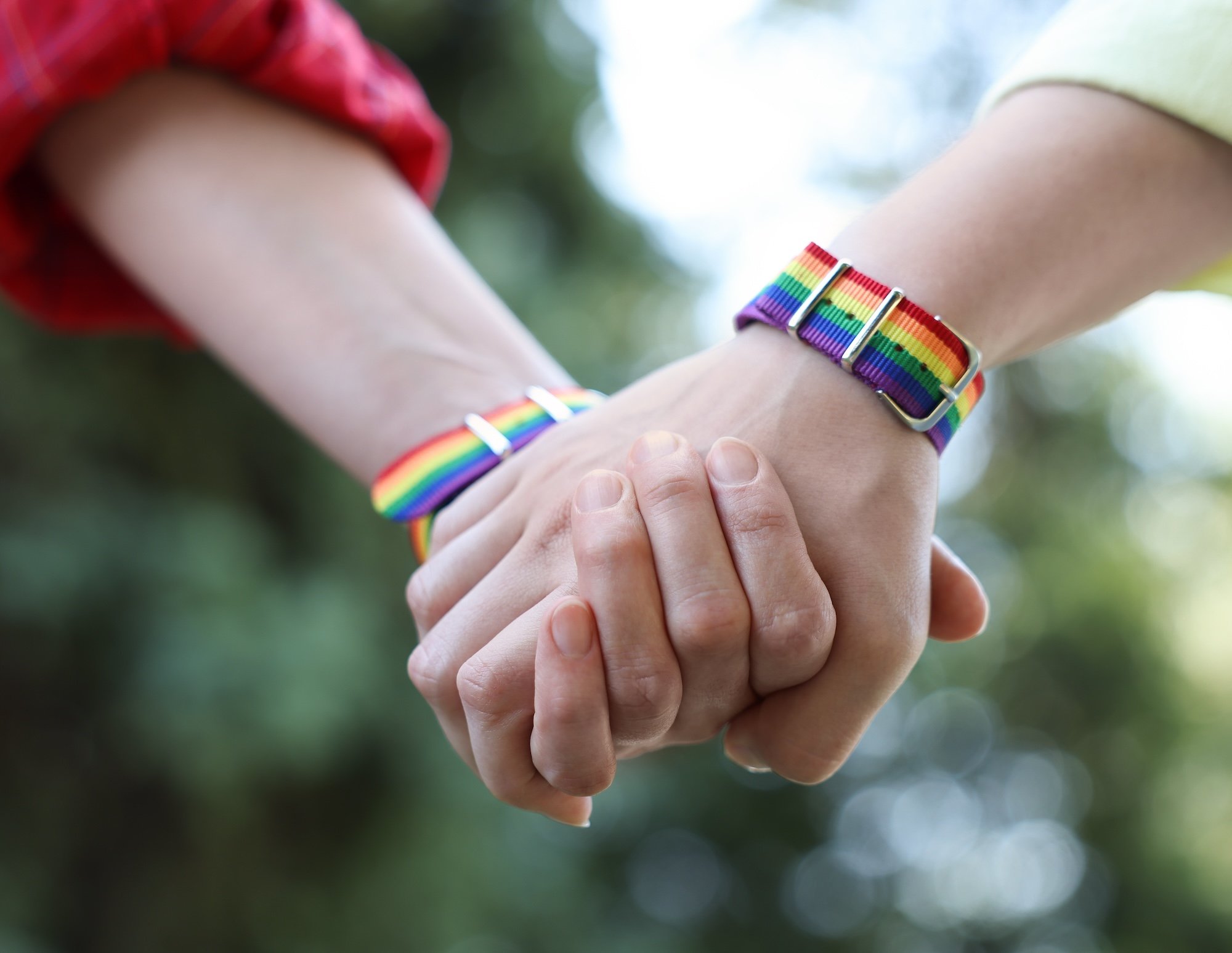
June is Pride Month. For some, Pride is a month to look forward to, and for others it may create a feeling of discomfort. For those that look forward to Pride, head on off to a parade and enjoy the month! This post is meant for those that don’t have as much experience or understanding of the reason why Pride is celebrated.
Why is Pride Month important?
 Why is Pride important? First let me start with some sobering statistics from The Trevor Project about LGBTQIA youth (13-24):
- 36% of LGBTQ+ young people seriously considered attempting suicide in the past year, including 40% of transgender and nonbinary young people.
- Over half (59%) of LGBTQ+ young people ages 13-17 experienced bullying in the past year, and those who did reported significantly higher rates of attempting suicide in the past year than their peers.
- But – LGBTQ+ young people who reported living in very accepting communities attempted suicide at less than a third of the rate of those who reported living in very unaccepting communities.
So, an accepting community saves young people’s lives. These findings also indicate mental health difficulties aren’t a natural part of the experience of LGBTQ youth, but an impact that living in unaccepting environments create for these kids. As a Mom of two, anything I can do to make kids’ lives safer seems like a no brainer. Celebrations of Pride are real ways to demonstrate acceptance – something that is helpful to young and old alike.
Reasons why Pride might feel uncomfortable for some
 I am a Generation X’er and when I was in high school, I didn’t think I knew anyone that was gay. (I was wrong.) But this means I was raised without a gender-spectrum or alternative families as a part of my world view. Many of us did. Shifts in society can be strange to live through. Examples:
- We can now fill out job applications on our phones. And my Gen Z kids do!
- When I started my career, work from home was a pipe dream.
While major changes in how the world works may feel awkward—especially to folks that are older or who don’t have lived experience with it—I try to keep in mind is that our increased understanding about gender and sexuality doesn’t mean it is actually new. The American Psychological Association references evidence of same-sex love in every documented culture – Ancient Isreal, Ancient Greece, Native American peoples, etc. So while Pride may feels strange to some, that isn’t the fault of the LGBTQIA community, it is actually a fault in our education.
Ways to get educated
So, how might you get educated in order to better understand and support family, friends and colleagues that are a part of the LGBTQIA community? Here are some resources to consider:
- So many initials and terms! I love this glossary available through the University of California, Davis. Learn what all the initials in LGBTQIA stand for!
- Do you want to know more about how to be an ally to those in your life that are part of the LGBTQ community? Check out this report by Harvard Business Review.
- Read some books to learn more and expand your understanding:
- The Stonewall Reader: Pride is in June to pay tribute to the Stonewall uprising. This is an anthology chronicling the fight for LGBTQ rights in the 1960s and the activists who spearheaded it.
- Sex is a Spectrum: a scientist’s perspective on why a binary view of sex and gender is not only misguided but harmful, and why there are multitudes of ways of being human.
- Watch shows to help you gain perspective:
- Queer Eye: This emmy-winning show profiles folks from all walks of life – many from the LGBTQIA community – and helps them gain confidence.
- Disclosure: According to a study from GLAAD, over 80% of Americans don't personally know someone who's transgender. That means most people learn about trans people from the ways they're depicted in movies and TV. A documentary that chronicles over 100 years of trans representation on screen, from silent film to Dog Day Afternoon, The 40-Year-Old Virgin to Pose.
From us at Reward Gateway | Edenred to you and yours: Happy Pride.