




 Emily Mellwood
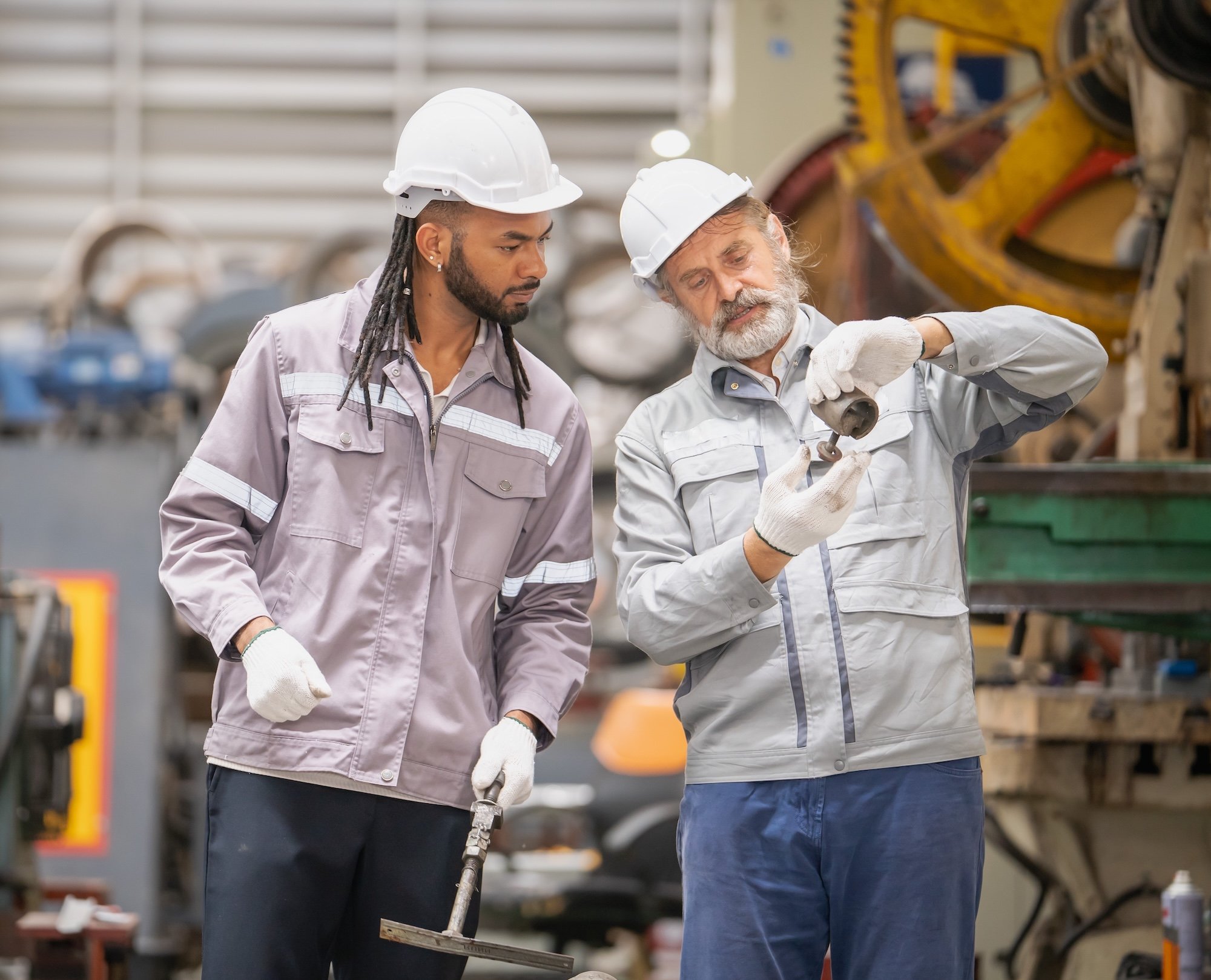
Deskless workers represent the tangible majority of the global workforce. Yet despite their immense contribution, these workers often face engagement challenges that can impact retention, safety, productivity and company culture. For HR leaders, tapping into effective strategies to engage this workforce is not optional, but essential.
The importance of engaging deskless manufacturing workers
 Engagement for deskless manufacturing workers is a business-critical lever, far beyond being a "nice-to-have." Its influence ripples across key areas, such as employee retention, workplace safety, operational productivity and overall continuity. Engaged employees are motivated, loyal and committed to maintaining high standards that protect both people and processes.
Improved retention
Engaged deskless workers feel valued and are less likely to leave, reducing costly turnover and preserving important skills. This continuity helps maintain quality and efficiency on the manufacturing floor.
Better safety and compliance adherence
Engaged employees are more vigilant about following safety protocols and reporting hazards, which lowers accident rates. This improves regulatory compliance and creates a safer workplace for everyone.
Heightened operational efficiency
When workers are engaged, they pay closer attention and contribute ideas that streamline production. This leads to fewer errors, smoother workflows and better overall plant performance.
Increased employee satisfaction
Engagement boosts job satisfaction, making workers more enthusiastic and proud of their roles. Higher satisfaction strengthens team morale and supports a positive workplace culture.
Understanding the unique challenges of engaging deskless workers in manufacturing
 Deskless manufacturing workers operate in environments that are fundamentally different from office-based roles. Their work is often hands-on, physically demanding and takes place on a factory floor, or in multiple locations without regular access to computers or desks.
These unique conditions create barriers to traditional engagement methods and require tailored strategies that acknowledge the realities of shift work, limited technology access and physical fatigue.
Understanding these operational challenges is essential for designing effective engagement programs that truly resonate with this workforce.
Communication and technology gaps
Deskless workers often lack regular access to desktop computers, email or internal company portals, making traditional communication channels ineffective. This creates delays and information gaps that can leave workers feeling out of the loop. Bridging this gap requires leveraging mobile-friendly tools and other accessible platforms to keep messages timely and inclusive.
Isolation and disconnection
Manufacturing shifts can be staggered or operate around the clock, meaning workers may have limited interaction with colleagues outside their immediate team. This physical and social isolation can contribute to feelings of disconnection from the wider organization and its goals. Regular engagement initiatives need to create opportunities for connection and inclusion despite these constraints.
Irregular schedules
Shift work and non-standard hours are common in manufacturing and can disrupt consistent communication and engagement efforts. Workers may miss announcements or struggle to participate in live events or training sessions scheduled during off-hours. Engagement strategies must therefore be flexible and considerate of these schedule complexities.
Physical demands and shift work realities
The physical intensity of manufacturing work combined with shift rotations can lead to fatigue and burnout, impacting workers’ willingness or ability to engage with company programs outside their core responsibilities. This places a premium on designing engagement activities that are simple, energy-conscious and respectful of workers’ time. Supporting wellbeing through practical measures can also mitigate these challenges.
6 ways to engage deskless workers in manufacturing
 To truly engage this workforce, HR leaders must embrace practical, tailored approaches grounded in day-to-day realities.
1. Implement mobile-first communication
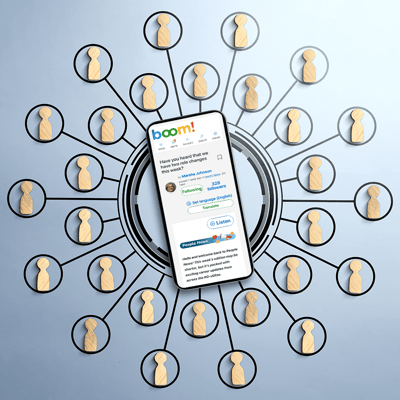
Use mobile-friendly tools like apps and SMS to reach workers quickly and directly, no matter their location. This ensures important messages are timely, accessible and easy to consume. Mobile communication also supports real-time updates critical in dynamic manufacturing environments.
2. Tailor content and segment your communication strategy
Customize communications by shift, role, or site to keep messages relevant and clear. Targeted content reduces overload and increases engagement. Segmentation ensures every worker receives information that directly impacts their daily work and responsibilities.
3. Build two-way communication and feedback loops
Create channels where workers can share ideas and concerns openly, fostering trust and collaboration. Regular feedback helps leadership address issues proactively. This inclusive approach empowers employees and strengthens workplace relationships.
4. Leverage recognition and rewards
Celebrate successes with meaningful recognition and rewards that resonate with individual and team motivations. Public acknowledgment boosts morale and encourages continued excellence. Consistent recognition reinforces positive behaviors and builds a culture of appreciation.
5. Prioritize safety and wellbeing
Embed wellbeing initiatives that address physical demands and mental health, supporting workers holistically. Prioritizing safety promotes a healthier, more sustainable workforce. When workers feel cared for, they are more engaged and attentive on the job.
6. Invest in learning and development opportunities
Offer flexible training accessible during shifts to build skills and career growth paths. Learning opportunities show investment in workers’ futures and motivate ongoing engagement. Continuous development equips employees to adapt and excel in evolving manufacturing roles.
Engage your deskless workers with Reward Gateway | Edenred
At Reward Gateway | Edenred, our mission is to make the world a better place to work. We understand that deskless manufacturing workers are the backbone of many industries, and that meaningful engagement drives lasting business success. By implementing our integrated communication, recognition and wellbeing solutions, HR leaders can empower their frontline workforce – boosting retention, safety and productivity while building a stronger, more connected culture. Together, let’s transform the manufacturing floor into a place where employees thrive every day.
Learn more about how Reward Gateway | Edenred helps organizations all over the world support their dispersed workforces – wherever they are – with our Employee Experience platform and suite of integrated solutions. Make your corner of the world a better place to work; we’re here to help.
