


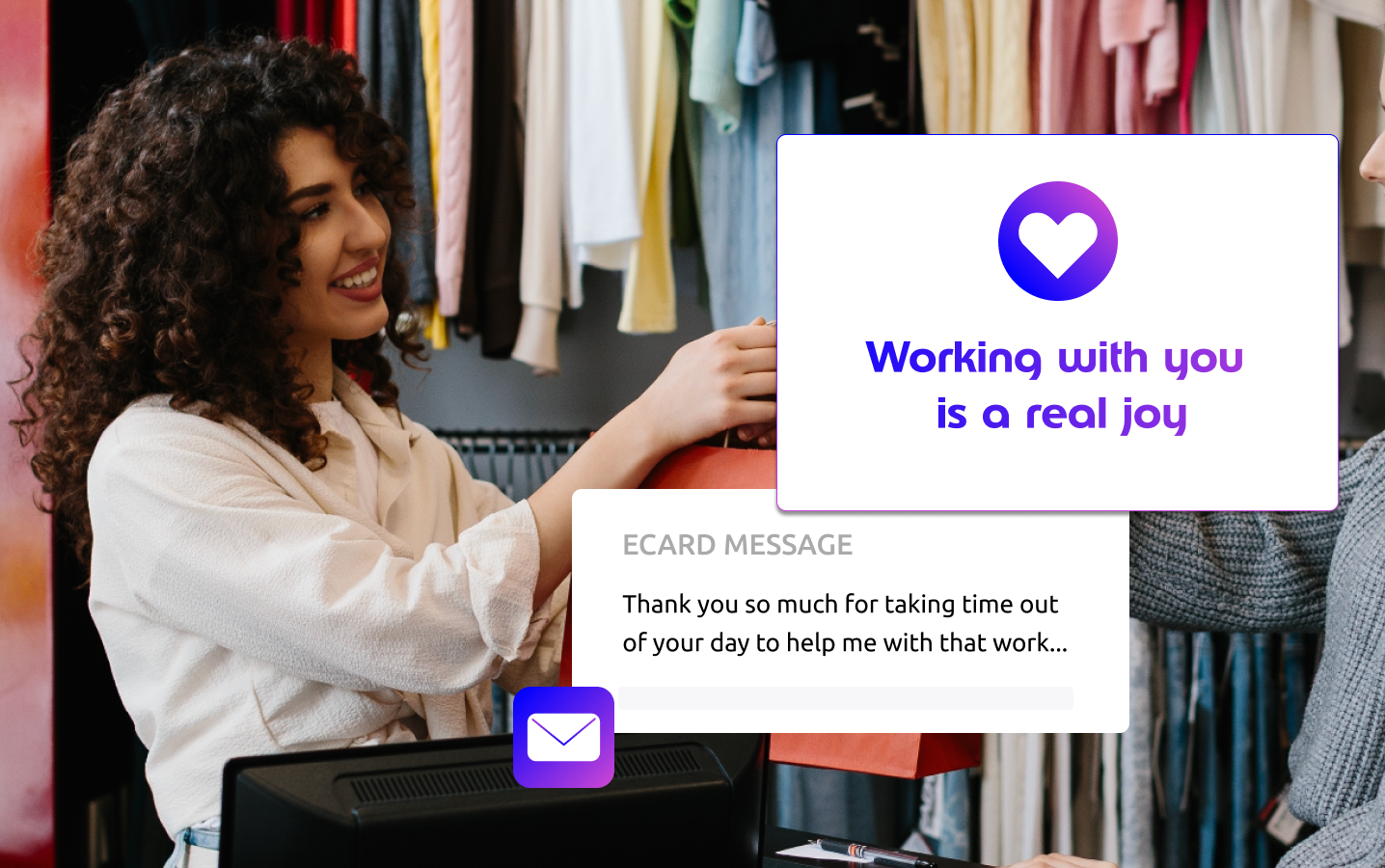
Recognition has the power to transform the employee experience.
When employees feel seen, valued and appreciated for their contributions, they're more likely to stay engaged, motivated and connected to their organisation's purpose. But effective recognition isn't just about saying "thank you". It's about making appreciation meaningful, consistent and personal.
That's where a points-based rewards programme can make a real difference.
By combining regular recognition with flexible rewards, organisations can create a culture where appreciation becomes part of everyday working life, helping to drive employee engagement, reinforce company values and strengthen workplace culture.
What Is a Points-Based Rewards Programme?
A points-based rewards programme is a type of employee recognition scheme that allows employees to earn reward points for achievements, behaviours and contributions that positively impact the business.
Points can be awarded by managers, colleagues or business leaders and redeemed for rewards chosen by the employee, whether that's retail vouchers, experiences, wellbeing benefits, charitable donations or additional time off.
Unlike traditional reward programmes that rely on annual bonuses or occasional gifts, a points-based approach creates opportunities for continuous recognition throughout the year.
The result is a more personalised and inclusive reward and recognition programme that appeals to a diverse workforce.
Why Points-Based Recognition Works
The most effective employee recognition programmes share one thing in common: they're relevant to the individual.
A generic reward may be appreciated, but it rarely has the same impact as giving employees the freedom to choose something they genuinely value.
Points-based recognition combines the emotional impact of being recognised with the flexibility of personalised rewards. Employees receive immediate acknowledgement for their contribution, while retaining control over how and when they use their rewards.
This creates a stronger connection between recognition and appreciation, making employees more likely to engage with the programme over the long term.
The Benefits of a Points-Based Employee Recognition Scheme
1. Strengthens Employee Engagement
Recognition is one of the most powerful drivers of employee engagement.
When employees regularly receive acknowledgement for their contributions, they gain confidence that their work matters and that their efforts are making a difference.
A points-based rewards programme creates ongoing opportunities to recognise achievements, helping employees stay connected to their work, their colleagues and their organisation's goals.
2. Creates a More Meaningful Employee Experience
Today's workforce is diverse, with different generations, lifestyles and motivations represented across the organisation.
What feels rewarding to one employee may hold little value for another.
By allowing people to choose their own rewards, organisations can deliver a more personalised employee experience while avoiding the limitations of one-size-fits-all recognition.
3. Reinforces Company Values
Recognition programmes are most effective when they're linked to the behaviours that matter most.
Whether it's collaboration, innovation, customer focus or inclusion, awarding points for values-led behaviours helps bring organisational values to life.
Over time, this helps build shared understanding across the business and creates visible examples of what success looks like.
4. Encourages Peer-to-Peer Recognition
Recognition shouldn't only flow from managers to employees.
Colleagues often see the everyday contributions, acts of support and moments of collaboration that leaders might miss.
Including peer-to-peer recognition within an employee rewards platform helps foster stronger relationships, improve team connection and create a culture where appreciation becomes everyone's responsibility.
5. Provides Valuable People Insights
Modern recognition platforms generate rich data that can help employers understand participation levels, engagement trends and cultural strengths. These insights can highlight which teams are actively recognising one another, where adoption may need additional support and which company values are being demonstrated most frequently. For HR and People teams, this information can help shape broader employee engagement and retention strategies.
Examples of a Points-Based Rewards Programme in Action
Recognising Outstanding Performance
An employee exceeds their quarterly objectives or goes above and beyond to support a key project. Their manager awards recognition points alongside a public message celebrating their contribution. The achievement is shared across the organisation, increasing visibility and reinforcing high performance.
Encouraging Learning and Development
Professional development often competes with day-to-day priorities. Awarding points for completing training programmes, gaining certifications or developing new skills encourages employees to invest in their growth while supporting organisational capability.
Supporting Employee Wellbeing
Many organisations invest significantly in wellbeing initiatives, but participation can sometimes be a challenge. Providing recognition points for wellbeing activities such as fitness challenges, financial wellbeing workshops or mental health initiatives can drive greater awareness and uptake.
Celebrating Everyday Contributions
Recognition doesn't have to be reserved for major achievements. Some of the most impactful moments are the everyday actions that strengthen workplace culture, whether that's helping a colleague, sharing expertise or demonstrating company values. A staff recognition programme that celebrates these moments helps employees feel valued more often.
How to Build an Effective Points-Based Rewards Programme
Define What Success Looks Like
Start by identifying the behaviours and outcomes you want to encourage.
Your objectives might include:
- Increasing employee engagement
- Improving retention
- Reinforcing organisational values
- Strengthening collaboration
- Supporting learning and development
- Building a culture of recognition
Clear objectives will provide a framework for measuring success and ensuring recognition aligns with business priorities.
Keep Recognition Simple
Employees shouldn't need extensive training to use your recognition programme. Recognition should feel easy, intuitive and accessible to everyone. The more friction involved in giving recognition, the less likely employees are to participate consistently.
Offer Meaningful Reward Choice
The success of any points-based reward scheme depends on the quality and relevance of its rewards. Providing a diverse selection of options allows employees to redeem their points in a way that reflects their individual interests and needs. This flexibility helps maximise perceived value without necessarily increasing programme costs.
Empower Managers and Employees
While manager recognition remains important, some of the strongest cultures of appreciation are built through a combination of manager-led and peer-to-peer recognition. Giving employees the ability to recognise colleagues helps create a more inclusive and authentic recognition culture.
Measure, Learn and Improve
Like any employee engagement initiative, recognition programmes should evolve over time. Regularly review participation data, gather employee feedback and assess whether the programme is driving the outcomes you intended. Small refinements can have a significant impact on engagement and adoption.
Recognition That Makes a Difference
A successful reward and recognition programme is about more than rewards.
It's about helping employees feel appreciated, connected and motivated to do their best work.
When powered by the right employee rewards platform, a points-based rewards programme can help organisations create a culture of continuous recognition, strengthen employee engagement and build workplaces where people feel valued every day.
Because when recognition is personal, meaningful and consistent, everyone benefits. Organisations build stronger cultures, managers create deeper connections, and employees gain confidence that their contributions truly matter.