Why new manager training is essential for success
Explore why so many high-performing employees are promoted into leadership roles without the training, tools, or support they need to succeed.

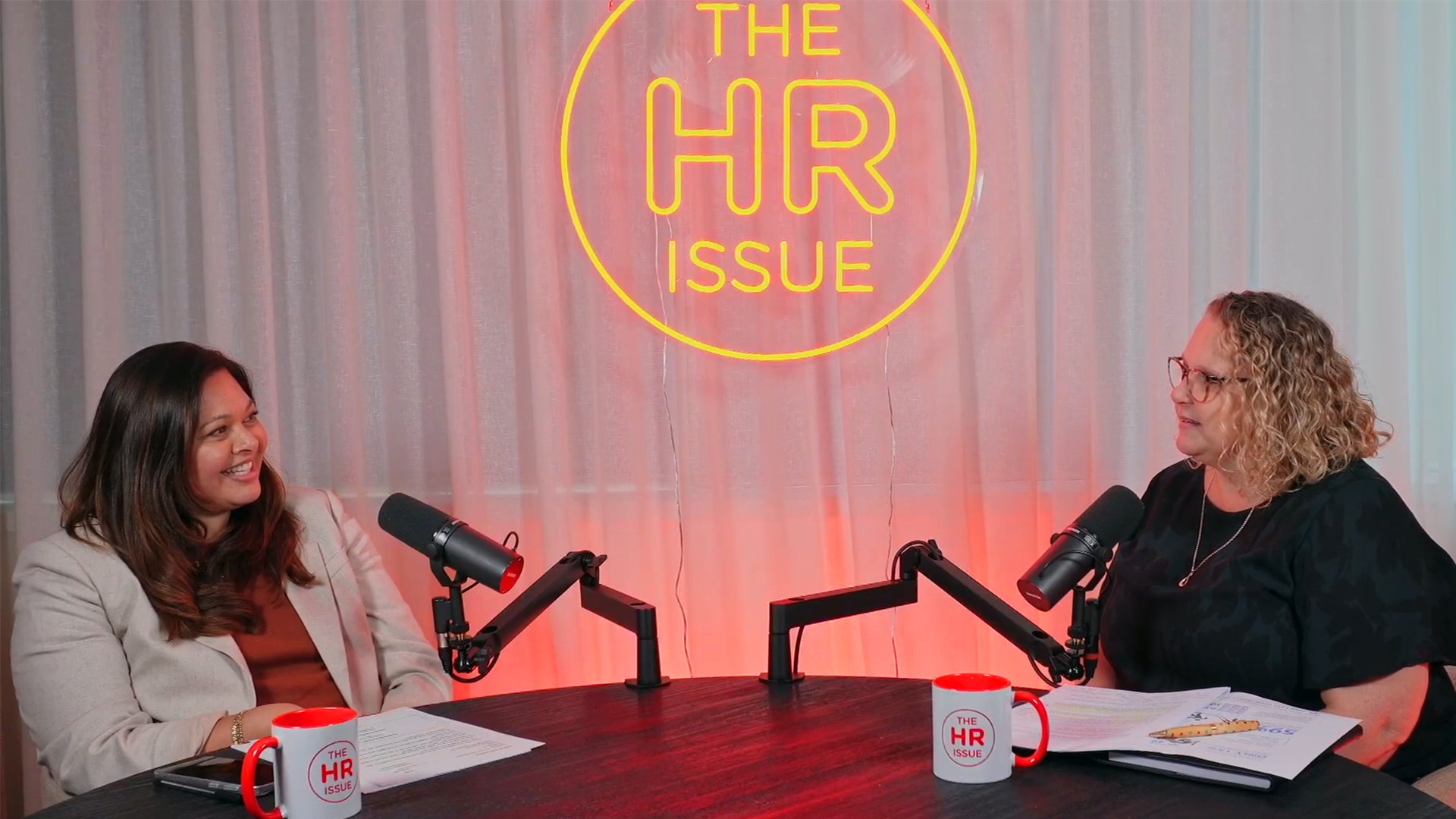
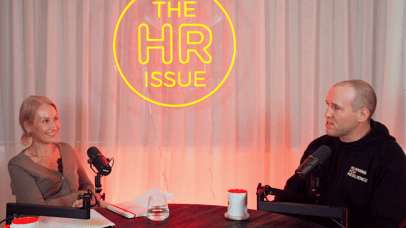
The second episode of the new season of The HR Issue tackles a challenge that many organisations know exists but still haven’t fully solved: why so many high-performing employees are promoted into leadership roles without the training, tools, or support they need to succeed.
In this episode, Kameel Martin, Head of Client Success for Reward Gateway | Edenred speaks to Sebreena Cronin, Founder of Cronin Consulting and a global Employee Experience and People Strategy leader, exploring the reality of the accidental leader, someone who has excelled as an individual contributor and is then asked to manage people, often with little preparation. It’s a transition that sounds logical on paper, but in practice, it can be one of the most difficult shifts in a person’s career.
For HR leaders, people managers, and business leaders, this episode is a timely reminder that leadership capability does not appear automatically after a promotion. It needs to be built deliberately through development, support, and practical guidance.
Read our recap of Sebreena's fantastic insights below or listen to The HR Issue podcast here.
What is an accidental leader?
An accidental leader is typically someone who has been promoted because they were strong in their original role, not necessarily because they were ready to lead others. This is a common pattern across organisations. A great individual contributor gets recognised for performance, earns a promotion, and suddenly finds themselves responsible for coaching, delegating, setting expectations, and managing team dynamics.
The problem is that these are very different skills from the ones that helped them succeed in the first place. As Sebreena explains:
“There’s a mindset shift that people often neglect to acknowledge in going from an individual contributor to being the manager of the team… with it there’s skill set changes, but there’s a mindset change as well.”
That distinction matters. Leadership is not just a more senior version of the same job. It's a fundamentally different job.
Why new managers often struggle
One of the biggest reasons first-time managers struggle is that they are still trying to operate like individual contributors. They keep doing the tasks they were known for, hold onto work for too long, and find it difficult to delegate.
This challenge comes through strongly in the episode, where the transition away from hands-on delivery is described as a major hurdle. Kameel and Sebreena's discussion points to the difficulty of “taking yourself out of that individual contributor role,” no longer leaning on the parts of the job you enjoy most, and not continuing to carry old tasks instead of shifting fully into leadership responsibilities.
This is one of the most common leadership development gaps. New managers are promoted, but nobody really helps them understand that success now depends less on their own output and more on their ability to enable the performance of others.
That requires a different way of thinking, a different use of time, and a different set of priorities.
The leadership training gap
A major reason accidental leaders are so common is that many organisations still treat promotion as proof of readiness. Instead of preparing people before or immediately after they step into management, businesses often assume they will figure it out on the job.
But without formal leadership training, practical templates, or structured support, many new managers are left to improvise. Good leadership development is not abstract. It can and should include simple, usable frameworks that help managers lead more effectively from day one.
From technical expert to people leader
For many first-time managers, the hardest part of leadership is not authority, it's identity. They have spent years building confidence around being capable, knowledgeable, and productive in their own work. Then, suddenly, they are expected to step back from doing and start leading.
That can feel uncomfortable, especially for people who have been rewarded for being reliable, fast, and technically strong. This is why the episode’s focus on the mindset shift is so important. The move into management is not just about gaining new skills. It's about redefining what success looks like. A manager is no longer judged only on personal output, but on how well they support, guide and develop others.
Without help making that transition, many new leaders default to what feels safe: doing too much themselves.
Why self-awareness matters in leadership development
Another strong theme in the episode is the role of self-awareness and adaptability in becoming a better manager. Kameel and Sebreena highlight the value of not only understanding your own style, but of recognising how other people prefer to communicate and connect.
That matters because effective leadership is not one-size-fits-all. New managers need to learn how to adjust their approach depending on the person, the situation, and the kind of support required.
Being able to understand yourself, understand others, and “connect with people in their own preferred style is really, really important”.
For organisations investing in leadership development, this is a useful reminder that manager training should go beyond process and policy. It should also help people build emotional intelligence, communication awareness, and the ability to lead different personalities effectively.
Why supporting new managers is good for business
Investing in first-time managers is not just about helping individuals succeed. It has a wider impact on employee experience, retention, and business performance.
Managers shape how work feels every day. They influence whether employees get feedback, whether expectations are clear, whether people feel supported, and whether teams can perform well together. When a manager is underprepared, the effects are rarely isolated to that one person. The whole team feels it.
That is why leadership training should be seen as a business priority, not a nice-to-have. Organisations that want stronger cultures and better performance need to make sure their managers are equipped to lead well.
A must-listen episode for HR and people leaders
This episode of The HR Issue offers a practical and relevant look at one of the most common issues in workplace leadership today. It highlights why so many new managers struggle, why the leap from individual contributor to people leader is more complex than it appears, and why the right support can make all the difference.
For HR professionals, L&D leaders, and business decision-makers, the message is clear: if you want better leaders, you can’t rely on promotion alone. You need to give people the tools, structure, and confidence to succeed.
And for anyone stepping into leadership for the first time, this episode is a useful reminder that finding the transition difficult does not mean you're failing. It means you're doing one of the hardest shifts in work, and it's a shift that deserves support.
Stay tuned for the next episode and catch up with previous episodes below!
.png?width=600&height=300&name=2026_HR%20Issue_AU%20-%20Digi%20assets_Hubspot%20eDM%20banner%201%20(1).png)