How to build high-performance work cultures
The latest season of The HR Issue is here! Explore Mark Puncher’s insights on building high-performance cultures, employee engagement, and why creating workplaces where people feel valued drives stronger performance.

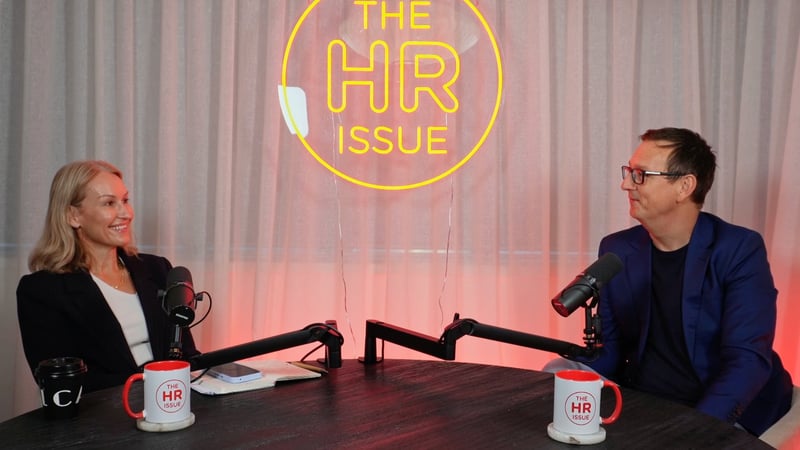
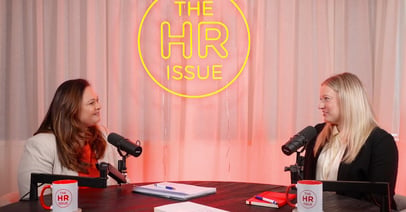
We’re excited to announce that a brand-new season of The HR Issue podcast is here, featuring all Australian voices and stories for the first time ever. Released fortnightly, this episode is the first of the new season, and it sets the tone perfectly: practical, thoughtful, and deeply relevant for HR leaders, people professionals, and business decision-makers navigating the future of work.
In this episode, Kylie Terrell, Director of Consultancy at Reward Gateway | Edenred, is joined by respected people and culture leader Mark Puncher for a conversation about what really drives high performance at work. Together, they explore the links between workplace culture, employee engagement, leadership, and organisational performance, and why businesses need to stop thinking about performance as a process and start thinking about it as a people experience.
We know that high-performance cultures are not built on pressure, slogans, or policies. They’re built through the everyday experience of work, the way people are treated, what leaders prioritise, and whether employees feel motivated to contribute at their best.
Read our recap of Mark's fantastic insights below or listen to The HR Issue podcast here.
What makes a high-performance culture?
One of the strongest takeaways from the episode is Mark’s challenge to the way many organisations define talent and performance. Too often, businesses focus on credentials, titles, or the idea of hiring “top talent” without considering how performance is actually created day to day.
As Mark puts it: “It’s not about just the resume. The term top talent is a really problematic phrase.” Instead, he says true performance comes down to behaviour: “It's about how those people behave every day, in all the moments in between, all the interactions, all the decisions, all the actions.”
This is a powerful shift in perspective. If high performance is driven by behaviour, then organisations need to pay close attention to the conditions that shape behaviour, including culture, trust, clarity, recognition, and leadership.
Employee experience shapes employee performance
A standout line from Mark in the episode is this: “How they behave comes from how they feel”.
That single insight gets to the heart of modern employee engagement. People do not consistently produce their best work simply because they are instructed to. They perform when they feel motivated, respected, supported, and connected to a shared purpose.
“We need to inspire people to want to perform. We need to give them the environment to perform, and we need to set some expectations that they do perform.”
For organisations thinking seriously about performance improvement, this is a crucial message. Better outcomes do not come from demanding more from people in isolation. They come from creating a workplace where people are both empowered and expected to succeed.
Leadership is not about controlling people
Another important point Mark makes is that leadership is not about hovering over employees or trying to control every action. He rejects the idea that people can simply be forced into performance: "we need to inspire people to want to perform". Instead, he emphasises the need for agency, trust and shared accountability.
“It’s not your responsibility to parent those people… but it is your opportunity. It is your opportunity to invest in them so that you win together."
That message is especially valuable for senior leaders and people managers. The goal is not to remove every challenge from the employee experience, nor is it to create a workplace where expectations disappear. The goal is to create an environment where people can thrive, contribute, and perform together.
Culture happens in the everyday moments
What makes this conversation so useful is that it moves beyond abstract ideas about culture and makes them practical. Mark’s comments point to a version of culture that is built not in annual strategy documents, but in daily interactions.
His focus on “all the moments in between” is a reminder that culture is shaped in meetings, feedback conversations, recognition, decision making, and how leaders show up when pressure is high.
For HR practitioners, this reinforces a key truth: employee engagement is not only driven by major initiatives. It's influenced by how work feels every day. That includes whether people feel connected, whether expectations are clear, and whether leaders create an environment where individuals can do meaningful work.
Why this episode matters for HR leaders right now
This first episode of the new The HR Issue season lands at the right time. HR leaders are being asked to do more than ever; drive performance, support wellbeing, strengthen culture, improve retention, and help leaders navigate complexity. Mark’s perspective offers a grounded, practical framework for doing exactly that.
If organisations want stronger business outcomes, they need to stop separating people strategy from performance strategy. The two are deeply connected. As this episode makes clear, businesses succeed when they create cultures where people feel valued, connected and inspired to perform.
A strong start to the new fortnightly season of The HR Issue
As the first episode in our new fortnightly season, this conversation is a strong reminder of what The HR Issue does best: bringing together experienced voices to unpack the real issues shaping work, leadership, and culture today.
If you’re an HR professional, people leader, or executive looking to build a stronger employee experience and a more effective workplace culture, this episode is well worth your time.
And there’s more to come.
With new episodes dropping every fortnight, this latest season of The HR Issue will continue to explore the challenges and opportunities facing modern workplaces, with practical insights, expert voices, and honest conversations along the way.
Stay tuned for the next episode!
.png?width=600&height=300&name=2026_HR%20Issue_AU%20-%20Digi%20assets_Hubspot%20eDM%20banner%201%20(1).png)