How to improve small business employee benefits in 2026


Small business employee benefits can have a major impact on retention, morale and productivity — but for many growing organisations, they are still treated as a “nice to have” rather than a strategic priority.
When you’re running a small business, it’s easy for employee benefits to slip down the list behind hiring, sales, operations, and rising costs. But in 2026, employees expect more than just a salary. They want benefits that support their wellbeing, help their money go further, and make work feel more rewarding every day.
The good news is that building a strong employee benefits package doesn’t have to mean offering expensive perks or copying what larger employers do. In fact, the most effective small business employee benefits are often the ones that are simple, relevant, and easy to use.
In this guide, we’ll explore six key dos and don’ts to help you improve employee benefits for your small business, so you can attract great talent, support your people, and build a workplace where employees want to stay.
Why employee benefits matter for small businesses
A thoughtful employee benefits package can help small businesses compete in a challenging hiring market. While you may not always be able to match larger organisations on salary, you can still create a compelling employee experience through benefits that genuinely improve day-to-day life.
The benefits of offering meaningful employee perks include:
- Improved employee morale
- Stronger retention and lower staff turnover
- Better work-life balance
- Increased productivity and engagement
- Greater financial, mental, and physical wellbeing
- A stronger employer brand
For small businesses, every hire matters. Losing great people can be expensive, disruptive, and time-consuming. That’s why employee benefits should be viewed as a long-term investment in retention, engagement, and business performance.
1. Do: Make your employee benefits relevant
The best employee benefits for small businesses are the ones employees actually value.
There are many benefits to choose from, including wellbeing support, employee discounts, flexible working, recognition schemes, and extra paid leave. But instead of trying to offer everything, it’s more effective to focus on benefits that make sense for your workforce, your company culture, and your business goals.
Ask yourself:
- What matters most to our employees right now?
- Which benefits would improve their daily lives?
- Do our benefits reflect our company values?
- Are we supporting different life stages and individual needs?
For example, if your business has a strong social purpose, you could offer paid volunteering days. If your workforce includes working parents, family-friendly flexibility may be one of the most meaningful benefits you can provide. If cost-of-living pressures are affecting your team, employee discounts and cashback programs could offer immediate value.
Ask employees directly
If you’re not sure where to start, ask your people.
A simple employee survey can help you understand:
- Which benefits employees use most
- What they feel is missing
- Which benefits would make them feel more supported
- Whether current benefits are easy to access and understand
You can also review what competitors in your industry are offering. However, your employee benefits strategy should reflect your people, not just what other employers are doing.
2. Don’t: Overcomplicate your benefits offering
A benefits package only works if employees can understand it and use it.
One of the biggest mistakes small businesses make is creating an offering that feels confusing, cluttered, or difficult to access. If employees don’t know what’s available, where to find it, or how to use it, even excellent benefits can go underused.
In 2026, employees expect benefits to be:
- Easy to understand
- Simple to access
- Available in one place
- Relevant to their needs
- Mobile-friendly and digital-first
Rather than launching too many perks at once, focus on a manageable set of benefits that can be communicated clearly. Three or four high-value benefits that employees actively use are often more effective than a long list of rarely used extras.
Make it easy to navigate
To simplify your employee benefits offering, consider creating:
- A one-page summary of all available benefits
- A dedicated employee benefits hub or platform
- FAQ documents for common questions
- Regular reminders about how each benefit works
The easier your benefits package is to understand, the more likely employees are to engage with it.
3. Do: Be creative with employee perks
A limited budget doesn’t have to mean limited impact.
Many of the most appreciated employee perks are affordable, personal, and easy to implement. Small businesses are often in a better position than larger organisations to create thoughtful, flexible benefits that feel more human and less corporate.
Affordable employee perks might include:
- Flexible or hybrid working options
- Early finish Fridays
- Birthday leave
- Paid volunteering time
- Employee discounts and cashback
- Peer-to-peer recognition
- Interest-based social groups
- Wellbeing resources
- Seasonal treats or care packages
- Extra leave for important life moments
You can also create perks that reflect your company culture. For example, you might give employees a day off for a child’s first day of school, celebrate pet adoption with a welcome hamper, or offer personal development time each quarter.
These kinds of thoughtful benefits can strengthen loyalty and help your business stand out as an employer.
4. Don’t: Do the bare minimum
Employees know the difference between a genuine benefit and a basic entitlement.
If you want your employee benefits package to improve retention and support recruitment, it needs to go beyond legal minimum requirements. Statutory holiday, super contributions, and standard sick leave are mandatory and vital, but they aren’t enough on their own to create a compelling employee experience.
For example:
- Statutory annual leave is expected
- An extra day off for a birthday is a perk
- Super is expected
- Meaningful employee discounts can improve financial wellbeing right now
- Basic policies are expected
- Flexible arrangements that support life outside work can be a differentiator
This matters even more in 2026, when employees are looking for employers that actively support quality of life, not just meet minimum obligations.
Support financial wellbeing
If salary budgets are under pressure, financial wellbeing benefits can still add meaningful value. Options such as:
- Employee discounts
- Cashback programs
- Salary sacrifice schemes
- Financial education resources
- Budgeting support
These can all help employees stretch their income further and feel more supported by their employer.
5. Do: Take advantage of digital benefits platforms
Technology has transformed how employees engage with benefits.
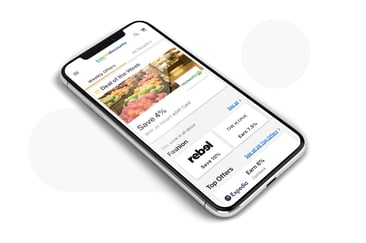
Today’s workforce expects on-demand, digital access to everything from employee discounts and recognition to wellbeing resources and internal communications. For small businesses, digital tools can also make benefits administration easier and more efficient.
A digital employee benefits platform can help you:
- Centralise all benefits in one place
- Increase visibility and take-up
- Simplify communication
- Support remote and hybrid teams
- Reduce admin for HR and leadership teams
- Make benefits accessible anytime, anywhere
Platforms like Reward Gateway for Small Business can bring together employee discounts, recognition, wellbeing support, and communications tools in one place.
For small businesses with limited HR resource, this can create a more consistent and scalable employee experience without unnecessary complexity.
6. Don’t: Keep quiet about your benefits
Even the best employee benefits package won’t have much impact if nobody knows about it.
One of the most common reasons benefits underperform is poor communication. Employers launch a new scheme, mention it once, and assume employees will remember it exists. In reality, benefits need regular promotion and ongoing visibility.
To increase awareness and engagement:
- Highlight benefits during onboarding
- Send monthly reminders
- Align benefits with seasonal moments and awareness days
- Share real employee stories
- Promote relevant perks at the right time
- Make sure managers can confidently talk about what’s available
For example:
- Promote wellbeing resources during key campaigns like R U OK? Day
- Share financial wellbeing tools at the start and end of the financial year
- Encourage outdoor activity perks in spring and summer
- Highlight employee discounts ahead of Christmas or back-to-school periods
The more consistently you communicate benefits, the more value employees are likely to get from them.
How to choose the right employee benefits for your small business
If you’re reviewing your employee benefits strategy for 2026, start with these five questions:
1. What do your employees actually want?
Use surveys, feedback, and informal conversations to understand employee priorities.
2. What problems are you trying to solve?
Decide whether your focus is retention, recruitment, wellbeing, engagement, or financial support.
3. What fits your budget?
You don’t need a huge budget to create meaningful employee benefits. Focus on value rather than volume.
4. What reflects your culture?
Choose benefits that feel authentic to your business and aligned with your values.
5. How will employees access them?
If benefits are difficult to find or use, take-up is likely to be low.
Examples of popular small business employee benefits in 2026
If you’re looking for ideas, some of the most popular employee benefits for small businesses in 2026 include:
- Employee discounts and cashback
- Flexible working
- Mental health and wellbeing support
- Peer-to-peer recognition
- Extra paid leave
- Financial wellbeing support
- Learning and development opportunities
- Volunteering days
- Family-friendly benefits
- Digital employee benefits platforms
- Salary sacrifice schemes
- Employee assistance programs
Not every business needs every option. The key is choosing the mix of benefits that delivers the most value to your people.
Common mistakes to avoid
When improving employee benefits for your small business, try to avoid these common mistakes:
- Offering benefits without asking employees what they need
- Copying larger employers without considering relevance
- Launching too many benefits at once
- Making benefits difficult to access
- Failing to communicate regularly
- Relying only on statutory minimums
- Not measuring engagement or take-up
A smaller, well-managed employee benefits package will often outperform a larger one that’s poorly communicated or difficult to use.
Key takeaways: Dos and don’ts of employee benefits for small businesses
If you want to improve small business employee benefits in 2026, focus on value, simplicity, and visibility.
Do:
- Make your benefits relevant
- Be creative with your perks
- Use digital platforms to simplify access
- Support employee wellbeing and financial resilience
- Communicate regularly and clearly
Don’t:
- Overcomplicate your offering
- Do the bare minimum
- Keep quiet about the benefits you provide
- Assume employees know what’s available
- Invest in perks people don’t actually want
FAQs about small business employee benefits
What are the best employee benefits for small businesses?
The best employee benefits for small businesses are the ones employees genuinely value and use. Popular options include employee discounts, flexible working, wellbeing support, extra paid leave, recognition programs, and financial wellbeing resources. The right mix depends on your workforce, budget, and company culture.
How can a small business offer good employee benefits on a budget?
Small businesses can offer strong employee benefits on a budget by focusing on low-cost, high-impact perks. Examples include flexible hours, birthday leave, peer recognition, employee discounts, cashback schemes, wellbeing resources, and volunteering days. Benefits don’t need to be expensive to be meaningful.
Why are employee benefits important for small businesses?
Employee benefits help small businesses improve retention, attract talent, boost morale, and support employee wellbeing. They also help create a stronger employer brand and can improve engagement, especially when salary budgets are limited.
What employee benefits do staff value most in 2026?
In 2026, employees often value benefits that improve everyday life, including flexible working, mental health support, financial wellbeing tools, employee discounts, recognition, learning opportunities, and family-friendly policies.
How do employee benefits improve retention?
Employee benefits improve retention by helping employees feel valued, supported, and more satisfied at work. Relevant benefits can reduce stress, improve work-life balance, and increase loyalty, making employees less likely to look elsewhere.
What are affordable employee perks for small businesses?
Affordable employee perks for small businesses include flexible working, extra time off, team socials, recognition programs, discount platforms, wellbeing content, volunteering days, and milestone-based rewards. Even small gestures can make a big difference when they feel relevant and thoughtful.
Should small businesses use a digital employee benefits platform?
Yes, a digital employee benefits platform can help small businesses make benefits easier to access, communicate, and manage. It can also improve visibility, increase usage, and give employees a more convenient experience across recognition, discounts, and wellbeing support.
How often should employers communicate employee benefits?
Employers should communicate employee benefits regularly throughout the year, not just during onboarding. Monthly reminders, seasonal campaigns, manager conversations, and awareness-day tie-ins can all help increase awareness and improve usage.
Final thoughts
Great employee benefits don’t have to be expensive, but they do have to be useful.
For small businesses, the right employee benefits package can improve employee satisfaction, strengthen retention, support wellbeing, and help your organisation stand out in a competitive market. By focusing on relevance, simplicity, and regular communication, you can create a benefits experience that truly works for your people.
If you’re ready to build a more engaging and rewarding workplace, Reward Gateway for Small Business can help bring together employee discounts, wellbeing support, recognition, and communications in one easy-to-use platform.
Start your free trial of Reward Gateway for Small Business and discover how to motivate and reward your workforce in 2026.