Beyond the paycheque: The key elements of an Employee Value Proposition
What makes up a strong Employee Value Proposition? Explore the key elements of an EVP, from employee benefits and flexibility to workplace culture and joy.


Salary still matters. For most employees, it remains one of the clearest measures of whether a role feels attractive, fair, and worthwhile.
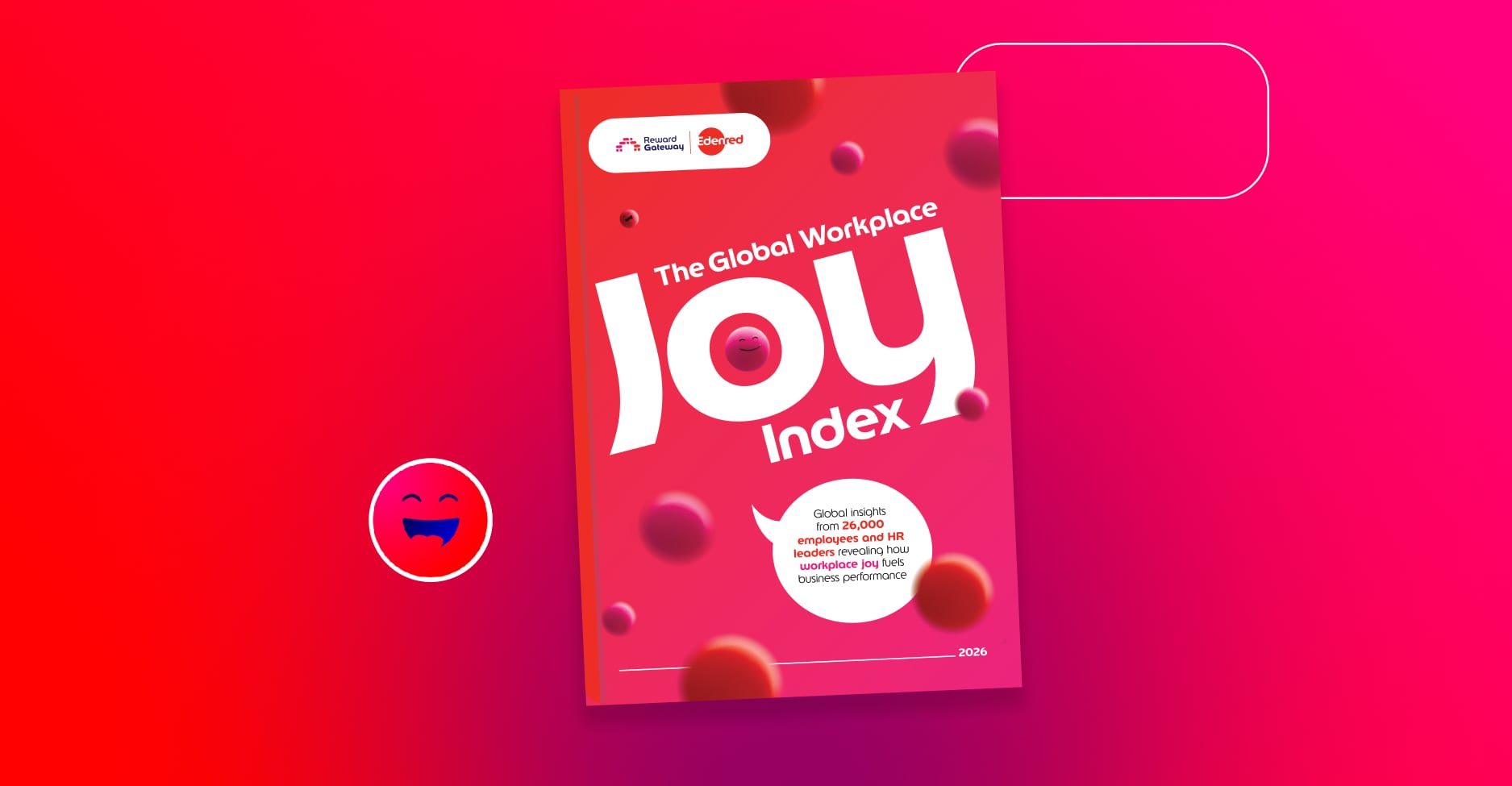
But the latest findings from The Global Workplace Joy Index suggest that pay is only one part of a much broader employment equation, with 17,450 surveyed workers across 27 countries weighing salary alongside benefits, flexibility, career progression, wellbeing, and the everyday experience of work.
For Australian organisations, this creates both a challenge and an opportunity. Pay may open the conversation, but the wider Employee Value Proposition (EVP) can determine whether people join, stay, and feel motivated to perform at their best.
SEE THE FULL REPORT: The Global Workplace Joy Index
Pay still leads, but it doesn't tell the whole story
Globally, higher base pay is the most important factor workers look for when considering a new role, selected by 56% of respondents.
The Australian figure is even higher: 64% say a higher-paying role would be most important if they were looking for a new job.
That result is unsurprising in a period of escalating cost-of-living pressures. Salary provides financial security and helps employees assess whether an organisation is offering a competitive deal.
However, the data shows that employees are not evaluating roles on salary alone. Among Australian workers, the next most important factors are:
- Better benefits: 30%
- Better flexibility: 30%
- A job that brings more joy: 28%
- Career progression: 26%
Globally, benefits are the second most important factor workers look for in a new role, selected by 31%, ahead of career progression, flexibility, and job security.
This suggests that employers need to think beyond the question, “Are we paying enough?” A more useful question is, “What does the complete experience of working here offer employees?”
Benefits are becoming part of the definition of a good job
Employee benefits are no longer viewed simply as an additional perk attached to salary. They are increasingly part of how workers judge the overall quality and value of a role.
Across the global research:
- 63% of workers rate employee benefits as equally important to, or more important than, base salary.
- Among High Joy workers, this rises to 74%.
- 75% of senior executives rate benefits as equally important to, or more important than, base salary.
- The same is true for 60% of mid-level employees.
- One in five Gen Z workers say benefits are among the factors that contribute most to their joy at work.
In Australia, 44% of workers say employee benefits are just as important as salary.
These findings are particularly significant for employers competing for skilled talent. Benefits can help organisations demonstrate that they understand the practical realities of employees’ lives, from financial pressure and family responsibilities to health, flexibility, and long-term development.
A strong benefits package doesn't replace fair pay. Instead, it complements salary by supporting the wider conditions employees need to feel secure and valued.
The most joyful workers receive more support
The research also identifies a clear relationship between the number of benefits employees receive and their workplace joy.
Globally, High Joy workers receive an average of five benefits, compared with three among Low Joy workers.
Every benefit category measured in the study is associated with a Joy Index score above the global average of 63. The highest-scoring benefits include:
- Financial wellbeing tools: 71
- Employee reward programs: 70
- Employee recognition programs: 70
- Remote work expense support: 69
- Phone and internet allowances: 69
- AI tools or productivity software: 69
- Learning and development opportunities: 69
- Health and wellbeing programs: 68
This doesn't mean that providing a particular benefit automatically creates a joyful workforce. Rather, the pattern suggests that benefits work best as a connected ecosystem.
Different benefits address different sources of pressure:
- Discounts and gift cards can support everyday purchasing power.
- Flexible working can help employees manage work alongside personal responsibilities.
- Health and wellbeing initiatives can provide practical and holistic support.
- Learning and development can strengthen employees’ sense of progression and purpose.
- Recognition can reinforce that people and their contributions are valued.
The strongest Employee Value Propositions are likely to be those that combine these different forms of support rather than relying on a narrow set of isolated perks.
Benefits can reduce everyday financial pressure
Foundational benefits are particularly important in a difficult economic environment.
Discounts, gift cards, and financial wellbeing tools can help employees manage the cost of everyday essentials. Their impact may seem relatively small compared with salary, but practical everyday support can make a meaningful difference to employees’ financial wellbeing.
The Global Workplace Joy Index notes that foundational benefits help address physiological and security needs by reducing financial friction and protecting purchasing power.
This matters because employees cannot fully engage with longer-term development or cultural initiatives if they're struggling with immediate financial pressure.
Flexibility is part of the value proposition
Flexibility is another essential part of the employee experience.
In Australia, 30% of workers say better flexibility would be important when considering a new role. Flexibility ranks joint second alongside better benefits, behind higher pay.
Australian workers also identify flexibility in how and when they work as the leading way their organisation currently enables workplace joy, selected by 32%.
Flexibility can mean different things to different employees. It may involve:
- Hybrid or remote working
- Flexible start and finish times
- Greater control over schedules
- Support for caring responsibilities
- The ability to manage appointments or personal commitments
- More autonomy over how work is completed
The important point is that flexibility is not simply a workplace location policy. It is a signal of trust and autonomy.
However, flexibility needs to be designed around the workforce. What works for a fully remote employee may not work for a frontline worker, and what supports an early-career employee may differ from what a parent, carer, or senior leader needs.
There is no universal flexibility package. The most effective approach starts with understanding how different groups work and what kinds of flexibility they can realistically use.
Joy is increasingly part of the employment equation
A job that brings more joy is important to 28% of Australian workers when considering a new role.
While joy does not rank above salary, benefits, or flexibility, its inclusion is significant. It shows that employees are considering how work feels, not just what it pays.
The global findings reinforce this. High Joy workers are more likely to:
- Expect to stay with their employer
- Feel more productive than they did 12 months ago
- Recommend their organisation to others
- Feel a sense of belonging
- Feel comfortable being their authentic selves at work
In Australia, 98% of High Joy workers expect to stay with their employer over the next 12 months, compared with 80% of workers overall.
This suggests that joy is not a superficial addition to the employee experience. It reflects whether employees feel that their work is meaningful, supportive, and sustainable.
For employers, building joy may involve creating the conditions that help people enjoy their work: positive relationships, recognition, supportive leadership, development opportunities, flexibility, and a sense of belonging.
Career progression remains part of the offer
Career progression is another important part of EVP, selected by 26% of Australian workers as a priority when considering a new role.
The global research identifies learning and development as one of the strongest differentiators between High Joy and Low Joy workers. Learning and development opportunities are available to:
- 55% of High Joy workers
- 28% of Low Joy workers
That represents a 27-point difference in the availability of development opportunities.
Development can influence the employee experience in several ways. It can help people build confidence, prepare for future roles, remain employable, and see a longer-term future with their organisation.
For Australian HR leaders, employee development is already the top HR priority for the next 12 months, selected by 30%. The challenge is ensuring that development is experienced consistently across the workforce, rather than being concentrated among high-potential employees or office-based teams.
Recognition adds value to every part of the proposition
Globally, only 18% of workers receive formal or informal recognition from their manager at least three times a month.
Yet moving from zero recognition to one instance per month is associated with a rise in the proportion of workers likely to stay, from 73% to 86%. It's also associated with a substantial increase in the proportion who feel more productive, from 34% to 57%.
In Australia, 29% of workers say recognition was one of the moments of joy that had the biggest impact on them. But only:
- 21% say their organisation provides regular recognition from managers.
- 22% say their organisation encourages peer-to-peer appreciation.
This is an important reminder that an EVP is not only about what an organisation provides. It's also about how employees are treated in the everyday experience of work.
A strong benefits package can support employees financially and practically. Recognition helps employees feel seen and valued. Together, they can reinforce the message that people matter to the organisation.
The EVP needs to work as a whole
These findings point to a more rounded understanding of what employees want. Workers are not choosing between salary and culture, or between benefits and progression. They are assessing how all these factors work together.
An attractive EVP should answer several questions:
- Is the pay fair and competitive?
- Do the benefits support employees’ real needs?
- Is there flexibility and autonomy?
- Can people see opportunities to grow?
- Do they feel recognised and valued?
- Is the culture positive and inclusive?
- Do they trust their leaders?
- Can they do work they find meaningful?
- Do they feel that they belong?
If the answer to some of these questions is no, salary may not be enough to compensate indefinitely.
The global findings show that Low Joy workers are more likely to cite pay as a reason for leaving, while High Joy workers are more likely to be motivated by culture, relationships, and meaningful work when considering whether to stay.
This reinforces the difference between attracting people and retaining them. Salary may help bring people through the door. But the wider employee experience helps determine whether they want to remain.
What this means for Australian employers
Australian organisations don't necessarily need to offer every possible benefit. They need to understand which forms of support matter most to their workforce and ensure that the overall proposition is attractive, accessible, and communicated clearly.
A practical approach could include:
- Review the total EVP
Consider salary, benefits, flexibility, recognition, development, wellbeing, and culture as connected parts of the employee experience. - Segment employee needs
Different generations, roles, and working arrangements may value different forms of support. - Communicate benefits more effectively
A benefit only creates value if employees understand it, can access it, and recognise how it supports them. Need some help with this? Get our guide to marketing your benefits. - Make recognition part of everyday management
Small, regular moments of appreciation can reinforce the wider value proposition at relatively low cost. Not sure where to start? Access our workbook on designing a recognition and rewards program. - Measure employee experience, not just program participation
Track whether benefits and initiatives are influencing joy, belonging, productivity, and intention to stay. Check out our guide to setting effective engagement platform goals.
Beyond pay, towards a better experience of work
The data doesn't suggest that salary has become unimportant. It remains the leading priority for Australian job seekers and a fundamental part of a fair employment deal. But it does show that pay is not the only factor determining whether a role is attractive or sustainable.
Benefits, flexibility, development, recognition, and workplace joy all contribute to how employees assess the value of their work. Together, they shape whether people feel supported, motivated, and able to see a future with their employer.
For Australian organisations, this presents an opportunity to move beyond a narrow focus on compensation and build an EVP that reflects the whole experience of work. Because the most competitive employers will not simply be the ones offering more pay. They will be the ones offering a better reason to stay.
Discover how Reward Gateway | Edenred’s benefits and engagement solutions can help you create a more rewarding, joyful, and productive workplace.