What is holistic employee wellbeing?


Workplace wellbeing is often reduced to a handful of initiatives: a wellness month, a gym subsidy, a mental health webinar. While these can all play a role, they only tell part of the story. Employees don't experience wellbeing in neat categories, and they don't leave their wider pressures at the door when they start work each day.
A more effective approach is to think about wellbeing holistically. That means recognising that physical health, mental wellbeing, financial confidence, recognition, and connection all shape how people feel and perform at work. For employers, taking this broader view matters more than ever. It can improve how employees experience work, strengthen engagement, and help create a healthier, more sustainable culture.
ACCESS OUR FREE RESOURCE: The Workplace Wellbeing Playbook
What does holistic wellbeing mean?
.webp?width=400&height=251&name=Wellbeing%20Fitness%20(FINAL%20ALT).webp)
Holistic wellbeing at work means supporting the full employee experience, not just one part of it. Rather than focusing only on physical health or only on mental health, it recognises that multiple factors influence how employees feel each day.
At work, wellbeing is shaped by things like:
-
Physical energy and comfort
-
Mental and emotional health
-
Financial security and stress
-
Recognition and belonging
-
Healthy routines and habits
-
Access to practical support
These factors are closely connected. Poor sleep can reduce concentration and increase stress. Financial pressure can affect mood, focus and overall resilience. A lack of recognition can impact confidence, motivation, and belonging. This is why wellbeing initiatives are often less effective when they sit in isolation. A holistic approach brings these areas together.
The four core dimensions of workplace wellbeing
While organisations may define wellbeing differently, four dimensions are especially important in the workplace.
1. Physical wellbeing
Physical wellbeing includes energy, movement, sleep, nutrition, hydration, recovery, and ergonomic comfort. It's not about pushing employees to be fitter or more performance-driven. It's about helping people feel better equipped to manage the working day.
When physical wellbeing is supported, employees are more likely to feel focused, energised, and resilient. When it's overlooked, the impact often shows up through fatigue, discomfort, poor concentration and burnout risk.
2. Mental and emotional wellbeing
Mental wellbeing affects how people cope with pressure, manage change, and ask for support when they need it. It also includes whether employees feel psychologically safe, emotionally supported, and able to recover from stress.
Importantly, mental wellbeing is not only an individual responsibility. Workplace culture plays a major role. Supportive leaders, healthy boundaries, and a strong sense of connection all contribute to better mental wellbeing.
 3. Financial wellbeing
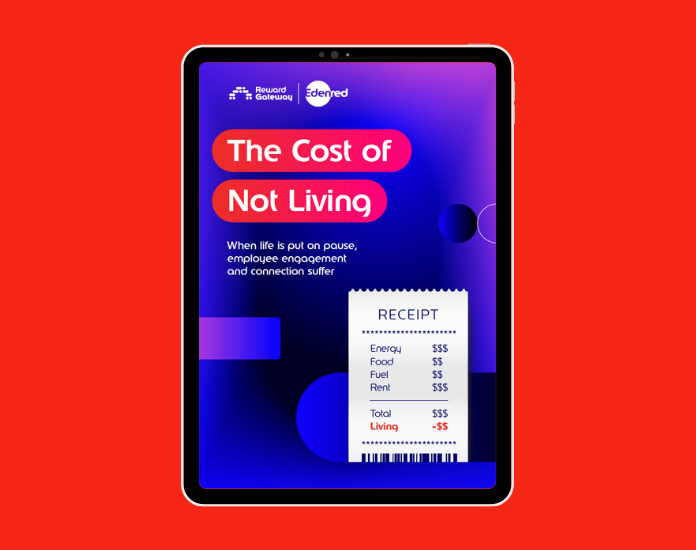
Financial stress is one of the most immediate and practical wellbeing challenges many employees face.
Rising living costs, debt, everyday expenses, and uncertainty can affect how people feel both inside and outside of work.
That's why financial wellbeing is increasingly important in workplace wellbeing strategies.
When employees feel more in control of their finances, they are more likely to feel secure, focused, and supported.
4. Social wellbeing, belonging, and recognition
Employees want to feel that they matter. Recognition, connection, and belonging all shape whether people feel included and appreciated at work. When employees feel seen and valued, engagement and morale tend to improve. When they feel overlooked, the impact can be significant.
Recognition is often treated separately from wellbeing, but in reality it's one of the clearest ways organisations can support emotional wellbeing and reinforce a positive culture.
Why holistic wellbeing matters for employers
A holistic approach is not just good for employees, it also makes business sense. Employees increasingly expect their employer to care about wellbeing in a meaningful, everyday way.
Our research found that:- 84% of employees would consider staying at a job longer if they had more mental and physical wellbeing offerings.
- 81% say that wellbeing impacts their productivity at work.
- 34% are more loyal to their company when they feel supported, with 33% being more productive when they feel supported.
- 1 in 4 believe their employer is responsible for their wellbeing.
- Only 29% believe their employer truly cares about their wellbeing.
Wellbeing shapes how employees experience work, it affects whether they have the energy to perform, the confidence to contribute, the support to cope with pressure, and the motivation to stay.
When organisations focus on only one part of wellbeing, they can miss what employees actually need. A gym benefit will not solve financial stress. A mental health message may not land if people feel invisible or unsupported by their manager. A wellbeing strategy is more likely to succeed when it reflects the broader reality of employees’ lives.
What holistic wellbeing looks like in practice
Holistic wellbeing is not about offering everything at once. It's about creating an approach that feels practical, joined-up, and relevant.
In practice, that may include:
- Encouraging healthy habits like movement, breaks, and recovery
- Providing access to financial education and money-saving support
- Making recognition part of everyday culture
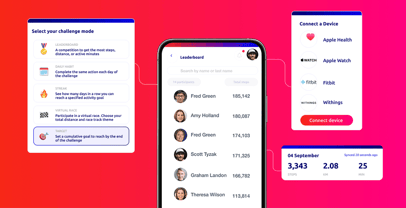
- Helping employees access wellbeing content in different formats
- Giving managers tools to support their teams more effectively
- Embedding wellbeing into the systems employees already use
The most effective strategies are the ones that make support easy to access and easy to act on.
Common holistic wellbeing mistakes to avoid
There are a few reasons wellbeing strategies fall short.
Treating wellbeing as a campaign, not a culture
One-off wellbeing days or awareness campaigns can help create attention, but they rarely create lasting change on their own. Employees need support that shows up consistently.
Focusing too narrowly
If wellbeing is framed only around one pillar of wellbeing, it can feel incomplete or out of touch with employees’ real needs.
Making wellbeing feel individualised
Employees should not feel that wellbeing is something they are expected to manage alone. Organisations play an important role in creating environments where healthy behaviours are encouraged and supported.
Ignoring recognition and belonging
Recognition is a major driver of connection and morale, yet it's often left out of wellbeing conversations. That's a missed opportunity.
How to get started
If you're looking to build a more holistic wellbeing strategy, start by asking:
- What pressures are our employees facing right now?
- Are we supporting more than one dimension of wellbeing?
- Does our wellbeing offering feel practical and relevant?
- Are managers equipped to reinforce wellbeing day to day?
- Do employees feel recognised, supported, and connected?
A strong wellbeing strategy doesn't need to be overwhelming. It needs to reflect the full employee experience and make support easier to access in everyday work.
Final thoughts
Holistic wellbeing at work is about recognising a simple truth: employees perform best when they feel well, supported, and valued as whole people.
That means looking beyond isolated initiatives and considering how physical health, mental wellbeing, financial confidence, recognition, and connection all work together. For employers, the opportunity is not just to offer wellbeing support, but to create a culture where it's visible, practical, and part of daily life.
When that happens, the result is not only healthier employees, but stronger teams and more sustainable performance.
Discover how Reward Gateway | Edenred can help you make holistic wellbeing a more visible, practical part of your everyday employee experience.