Australians’ life satisfaction drops amid rising costs
Explore why life satisfaction in Australia is falling as rising costs affect financial security, employee engagement, and workforce retention.


Australians are, on average, less satisfied with life today than they were in the middle of the pandemic.
New Australian Bureau of Statistics (ABS) data, highlighted by KPMG urban economist Terry Rawnsley, puts a number on it: “When you look at life satisfaction on a scale of one to 10, in 2020, when we were in the middle of the pandemic, life satisfaction was 7.2 out of 10. Last year, it was 7.1.”
As Rawnsley notes, “We’re feeling worse about the world today than we were during the pandemic lockdowns,” and the reason is less about restrictions and more about the wallet. “There was uncertainty for sure. But it wasn’t kind of the cost‑of‑living crunch that we’re seeing now.”
That crunch is clear in the economic markers Rawnsley points to: real wages are lower than in 2020, median household wealth has been flat over five years, and per‑capita spending is flat.
In simple terms, real wages are your pay adjusted for inflation; when prices rise faster than pay, purchasing power falls—even if nominal salary goes up.
This aligns with recent snapshots: real wages are around 4% below pre‑pandemic levels, household wealth growth has stalled, and spending remains subdued. It’s not affecting everyone equally either. Australians aged 25–34 have seen the sharpest drop in life satisfaction amid high rents and insecure work; Gen X is juggling mortgage stress and caring responsibilities; and over‑65s are steadier, highlighting how financial security buffers wellbeing.
From national wellbeing to workplace performance: The cost of not living
Economic conditions aren’t just shaping wallets; they’re shaping how people live, and how they show up at work.
As financial stress rises, people don’t just spend less; they start doing less of the everyday things that restore energy and connection. Across Australia and New Zealand (ANZ), employees are skipping leave, trimming small joys, and opting out of social moments.
According to the YouGov Financial Outlook Survey 2026, 63% plan to cut spending on eating and drinking out, 53% on events and days out, and 55% on everyday conveniences; choices that may balance a budget but also shrink the experiences that sustain wellbeing, belonging, and connection. Inside workplaces, that looks like quieter burnout, less energy for teamwork, thinner social ties, and a fading sense of team. The bill shows up as lost productivity, weaker culture, and greater churn.
How the cost of not living shows up at work
This contraction in life outside work frays connection inside work. When people aren’t taking time off, recovery stalls and errors rise. When small joys disappear, morale and discretionary effort dip. When social ties thin, engagement and retention suffer.
In short, the most expensive line item isn’t what people spend, it’s what they’ve stopped doing. Leading ANZ employers are beginning to tackle both the cost of living and the cost of not living; easing day‑to‑day expenses while protecting the small joys and shared moments that keep people engaged and staying.
Our 2026 ANZ engagement snapshot in our latest research report shows strain and misalignment:
- Engagement is mixed: 25% of employees feel more engaged than last year, 50% report no change, and 25% feel less engaged.
- Yet 46% of decision makers believe engagement has increased, revealing a perception gap between leaders and employees.
- Many employees explicitly link cost‑of‑living pressure to falling engagement: 36% overall, 43% of Older Millennials, 39% of Gen Z, and 29% of deskless workers say financial strain is lowering their engagement.
- Pay pressure is pushing movement: 32% of employees say they’re thinking of leaving their job due to poor pay.
- Leaders see the performance impact: 1 in 2 say low engagement drives underperformance, and 4 in 10 report productivity dips.
These figures mirror the ABS findings: younger cohorts are under the greatest pressure, and it’s reshaping the day‑to‑day behaviours that underpin connection, safety, and performance at work.
Macro‑economic pressure is intensifying, and uneven
In Australia, nominal wages rose roughly in line with CPI late in 2025 (both around 3.4%), leaving real wage growth near zero. In New Zealand, CPI climbed 3.1% while wage growth lagged, pushing real incomes down. Risk aversion is rising too: more than one third of New Zealand employees are staying put because changing jobs feels too risky, compared with 18% in Australia. Cutbacks on spending are widespread.
A Westpac survey reports that 84% of New Zealanders have already changed their spending in 2026, with 43% cutting non‑essentials, 51% driving less, and 35% changing how they shop for groceries.
KPMG analysis underscores the lifecycle split Rawnsley describes; younger Australians are pulling back on recreational spending to cover housing and other essential costs, while older Australians are continuing to spend on travel and dining out.
Housing and food costs are common pressure points across ages, but financial security, more common among older Australians, buffers wellbeing. These dynamics matter for employers because they map directly onto teams by age, life stage, and job type, shaping what support people need and how they show up at work.
The productivity ripple is real
Financial pressure doesn’t stay at home. An AMP study found that 88% of employees say their productivity drops due to financial worries, and they spend an average of 11 work hours per month on personal financial matters.
The ripple effects compound: distracted attention, delayed decision‑making, higher error rates, and reduced capacity for creative or collaborative work.
Over time, those effects translate to missed targets, safety risks, and attrition, costs that land squarely on the balance sheet.
Employees want targeted help
In this environment, more than eight in 10 employees say they want additional cost‑of‑living support from their employer through discount schemes, rewards, and perks.
Beyond pay, people are asking for practical relief that lowers everyday costs and preserves the small moments, coffee with a colleague, a family meal out, a weekend day trip, that sustain energy and belonging.
The strongest support pairs financial relief with visibility: making the full value of Total Rewards tangible and easy to use so benefits don’t sit idle when people need them most.
Why targeted relief restores connection: The role of trusted discounts
Looking for deals is now the default. In our research with 10,000 users of the Reward Gateway | Edenred employee discounts platform, 65% said hunting for offers is “absolutely standard practice.” The impact of good offers goes beyond savings to restoring choice.
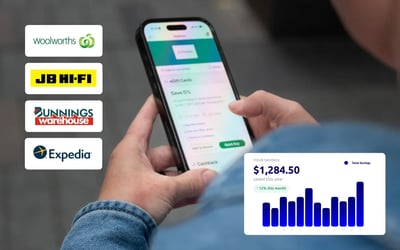 Nearly half say offers let them buy something they couldn’t otherwise afford; four in 10 use them to trade up to a better option when quality matters; and 39% use them to justify a small treat or indulgence. These micro moments matter more than you think, because engagement and connection are built from everyday moments, not one‑off big perks.
Trust and simplicity determine what people actually use. When starting a search, 68% go to their Reward Gateway | Edenred platform first, more than search engines, voucher sites, cashback sites, and brand apps combined.
It’s a closed channel that aggregates vetted, high‑quality deals, which reduces noise and decision fatigue. The trust gap is striking: 80% of respondents trust closed employee discount platforms to provide legitimate, good‑quality offers, compared with 40% for voucher sites and just 22% for search‑based offers.
Reflecting that gap, 51% report feeling misled or overwhelmed on the open web, and 29% actively avoid some deal sites. A closed, high‑trust platform becomes a simpler route to real relief and a way to bring life’s everyday moments back within reach.
Connecting the dots: From ABS to ANZ workplaces
The ABS data and Rawnsley’s analysis are clear: real wages are down, household wealth has stalled, and spending is flat, conditions that have nudged national life satisfaction from 7.2 in 2020 to 7.1 last year. The distribution of strain is uneven, with 25–34 year olds hit hardest and over‑65s more insulated.
Inside organisations, those pressures manifest as skipped leave, fewer shared moments, and shrinking small joys, the cost of not living, which drains energy, thins connection, and drags on performance.
Our workplace data points to the same conclusion:
- A third of employees are contemplating leaving over pay
- Significant cohorts report cost‑driven engagement dips, particularly older Millennials and Gen Z
- Leaders acknowledge the performance hit, linking low engagement to underperformance and productivity drops
- Employees want targeted, practical relief, and they trust closed, employer‑provided platforms to provide it
- Everyday savings mechanisms, especially on essential, high‑frequency costs like groceries, fuel, and retail, deliver felt, repeatable relief and help restore the small choices and moments that keep people connected
Economic conditions are shaping how Australians feel and how their teams perform. The most expensive thing right now isn’t what people spend; it’s what they’ve stopped doing to cope. Employers that address both the cost of living and the cost of not living, by making everyday savings easy, visible, and trusted, and by protecting the small moments that rebuild connection will boost engagement, retain talent, and keep performance strong in 2026.
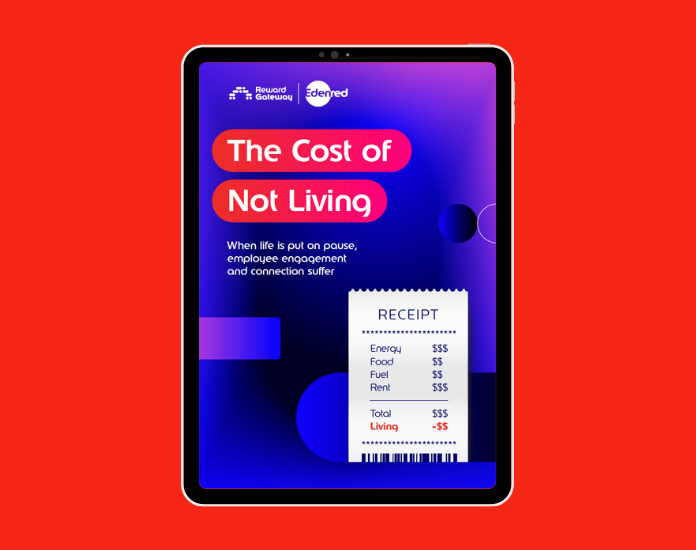
For the full ANZ data, deeper insights, and practical tactics to support your people without blowing out budgets, download The Cost of Not Living Report now.
If you'd like to speak to a member of our team about delivering fast, real financial relief to your people during a cost of living crisis, reach out now.