






6 low-effort engagement platform usage hacks for busy HR teams
Discover six practical, low-effort strategies you can start implementing this week to increase employee usage of benefits and encourage long-term system adoption

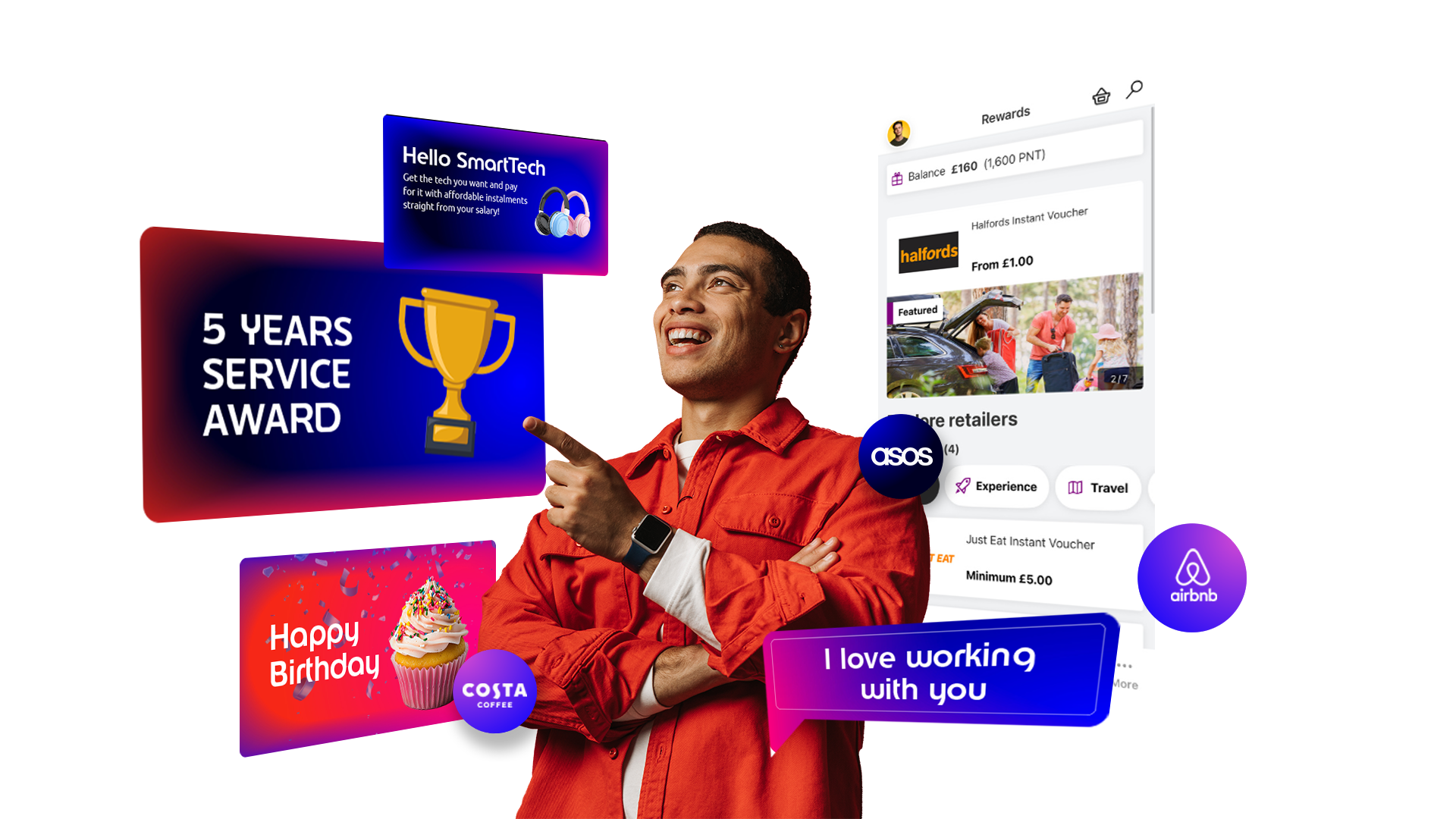
You've launched a great benefits system, but logins are low and usage is flat.
Sound familiar?
If you've invested time and budget into launching an employee benefits system, it can be frustrating when employees aren't using it. The reality is that most people are busy, distracted and focused on their day-to-day work. Even the best benefits won't stay top of mind without regular reminders, easy access and a consistent user experience that ties into your EVP.
The good news is that improving employee benefits system adoption doesn't have to mean launching another major campaign or creating hours of extra work for your HR team.
Small, consistent changes can make a significant difference. Below are six practical, low-effort strategies you can start implementing this week to increase employee usage of benefits and encourage long-term system adoption.
1. Place benefits where people already are
One of the simplest ways to improve usage is to bring your benefits system into employees' everyday environment.
Instead of expecting people to remember to log in, pop some reminders where they're already spending time. QR code posters in break rooms, stickers on lockers, digital screens in communal areas or even bathroom mirror clings can all direct employees straight to the system with a quick scan.
This works because it reduces friction. Employees don't have to search for the system or remember a web address. It becomes part of their daily routine.
Keep your messaging short and action-focused:
- "Discover your discounts."
- "See what's new this month."
- "Check your reward points."
To avoid "poster blindness", refresh your visuals and messaging every month. Seasonal reminders, new benefits or employee success stories all help keep communications feeling relevant.
Quick tip: Create a bank of QR code posters you can rotate throughout the year as part of your ongoing employee benefits communication ideas.
2. Make the system a must-visit
Want employees to log in regularly? Give them a reason they genuinely need to. Rather than treating your benefits system as somewhere people only visit when they need a discount, make it the home for information employees already access regularly.
That might include:.jpeg?width=500&height=467&name=Engagement%20OS%20(1).jpeg)
- Digital payslips
- Weekly company announcements
- Shift schedules
- Internal newsletters
- Important HR updates
When employees know essential information lives in one place, visiting the system quickly becomes a habit.
The key is balance. You don't want employees to feel forced into logging in just to complete admin tasks. Pair mandatory content with genuinely valuable resources, such as wellbeing support, employee discounts or recognition programmes.
Start small by moving one frequently used resource onto the system before expanding over time.
This is one of the most effective ways to increase employee engagement with benefits because you're building regular behaviours rather than relying on one-off campaigns.
3. Turn managers into quick guides
Managers speak with employees every day, making them some of your most effective communication channels.
The good news is they don't need to become benefits experts.
Equip your managers with a simple one-page guide covering:
- The top five employee questions
- Where to find key information
- Conversation starters about benefits
- Who to contact for additional support
When managers can confidently answer basic questions, employees are far more likely to explore the system themselves.
You can also create a dedicated Slack or Microsoft Teams channel where managers can quickly ask HR questions or share common queries. This keeps information consistent while reducing repetitive emails.
To make the approach sustainable, include benefits guidance in manager onboarding and revisit it during monthly leadership meetings.
Supporting managers in this way creates trusted advocates who can naturally encourage employee benefits platform adoption during everyday conversations.
Download our eBook for a practical 90-day roadmap on how to Power Up Your Managers to better support your people and drive system usage.
4. Show, don't tell, with real employee stories
Employees often connect more with people than policies.
So instead of simply listing available benefits, share stories showing how colleagues have actually used them.
Here are some examples:
- "How Sarah used her gym discount while training for her first 5k."
- "How the marketing team redeemed recognition points for a team lunch."
- "How Alex used the wellbeing allowance to support their mental health."
These stories transform abstract benefits into real-life experiences employees can picture themselves using.
The format doesn't need to be complicated. Short videos recorded on a phone, quote graphics, employee spotlights or "day in the life" posts all work well.
If you're wondering how to increase benefits uptake, storytelling is one of the simplest ways to make benefits feel relevant rather than theoretical.
A great place to collect stories is during employee surveys, engagement initiatives or performance reviews, where people naturally reflect on what's helped them throughout the year.
5. Build a Benefits Champion Network
HR doesn't have to do all the communicating alone.
Recruit enthusiastic employees across different departments to become Benefits Champions. Their role is simple:
- Share a weekly benefit tip

- Highlight lesser-known features
- Answer basic peer questions
- Encourage colleagues to explore the system
Peer recommendations often carry more weight than company-wide announcements because they're authentic and relatable.
Look for employees who already enjoy supporting colleagues or regularly participate in company initiatives. You don't need dozens – a handful of engaged champions can have a meaningful impact.
To make participation easy, provide a simple monthly content calendar along with ready-made messages they can personalise.
Recognising champions with small rewards, public ‘thank you’s or additional recognition points also helps maintain momentum.
It's a scalable, low-cost approach that creates ongoing visibility while distributing communication efforts across the organisation.
6. Embed benefits into key employee moments
Benefits shouldn't feel like a separate HR initiative. They should be woven into the employee experience.
Look for moments where benefits naturally slot into existing processes, such as:
- New starter onboarding
- Probation check-ins
- Performance reviews
- Recognition celebrations
- Promotion conversations
For example, every new employee could receive a five-minute system tour during their first week. Managers could discuss wellbeing benefits during performance reviews or remind employees about learning resources when setting development goals.
Rather than creating entirely new programmes, simply add benefits reminders to existing checklists and workflows.
If you're looking for employee engagement system usage strategies that are easy to sustain, this is one of the most effective because it relies on processes that already exist.
Start with onboarding. New employees are often the most engaged and receptive, making it the perfect opportunity to establish system habits from day one.
Small changes can deliver big results
Improving usage and participation doesn't require a huge budget or another complex internal campaign. Often, the biggest gains come from making benefits easier to discover, easier to access and more relevant to employees' everyday working lives.
Start by choosing one or two of these ideas, measure what's working and build from there. Over time, these small changes can have a significant impact on employee benefits system adoption and help increase benefits usage across your organisation.
Ultimately, successful benefits engagement isn't about reminding employees more often. It's about making benefits visible, valuable and part of the everyday employee experience.
Ready to boost your benefits usage? Download our free Benefits Communication Toolkit or discover how Reward Gateway | Edenred can help you drive platform adoption by booking a demo today.