How to ease rising fuel prices with discounts and rewards

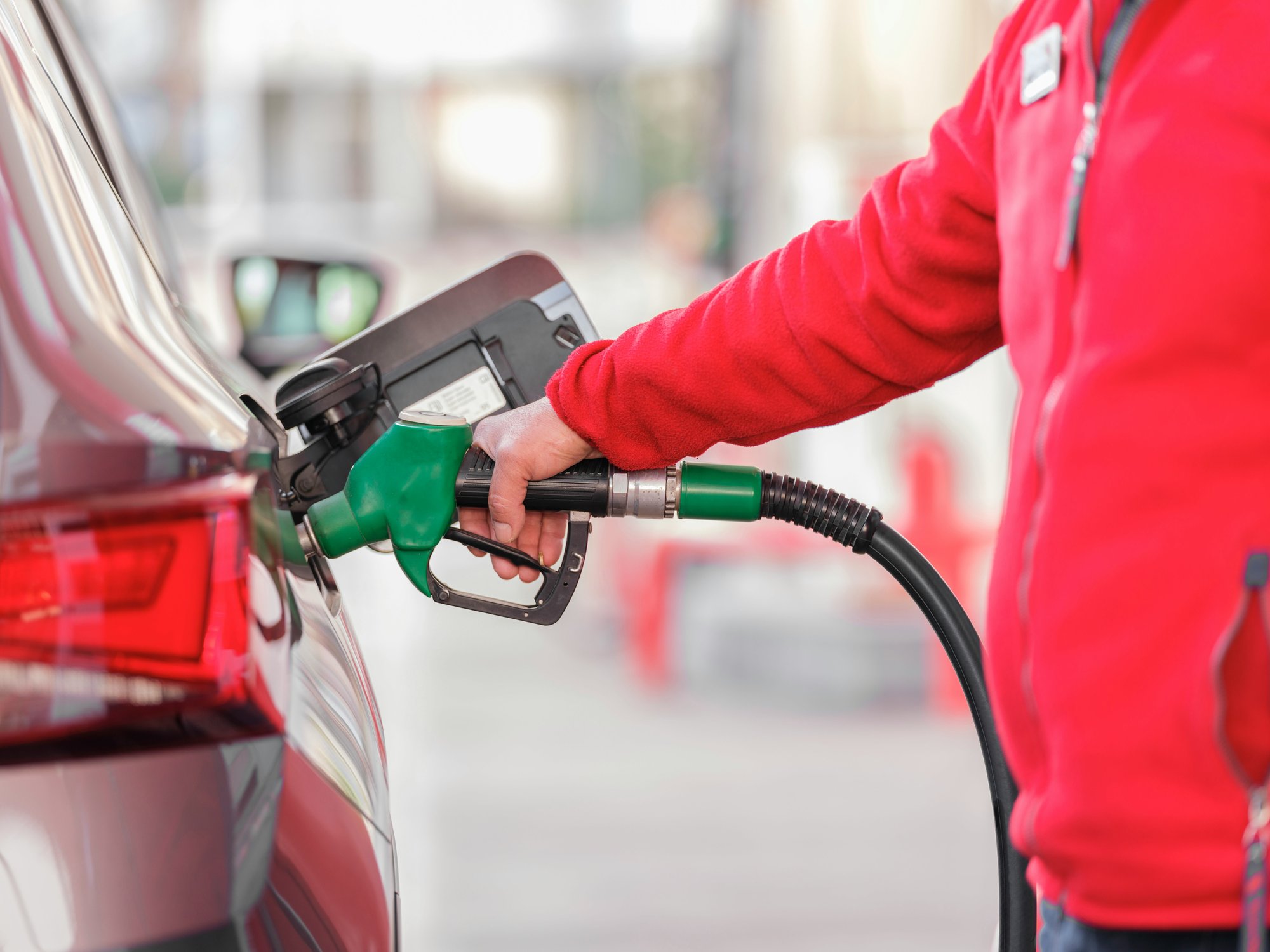
For many employees, driving is inseparable from work and life. It’s how shift workers reach early starts, how parents handle school runs before the office, and how field teams get to customers on time. When petrol prices surge, there’s no easy switch to “spend less.”
The impact is immediate, weekly, and often stressful. While employers can’t control global energy markets, they can offer practical relief. A focused fuel discounts and rewards program delivers tangible savings at the pump, shows empathy for real-world pressures, and strengthens trust and loyalty across the workforce.
Why petrol price spikes hit workers so hard
Petrol is a non-negotiable expense for car-dependent employees. Commuting becomes a larger slice of the household budget, and that budget quickly becomes unpredictable as prices fluctuate week to week.
People start recalculating routes, delaying non-urgent trips, or shifting spending away from other essentials to cover the commute. Some postpone routine car maintenance to trim costs, decisions that can raise risk and ultimately cost more.
At work, the strain doesn’t stay in the car park; it shows up as fatigue, distraction, and anxiety about money. Over time, those pressures can erode engagement and make employees more open to new jobs that promise better support. In short, a rising pump price isn’t just a personal finance issue, it’s a wellbeing and productivity issue employers can address.
FREE WEBINAR: The New Pay Reality: Total Rewards Beyond Raises
How discounts and rewards can offer relief from rising fuel prices
The power of a fuel benefit is its regular cadence. A small discount that shows up every time someone fills their tank is more meaningful than an occasional perk they seldom use.
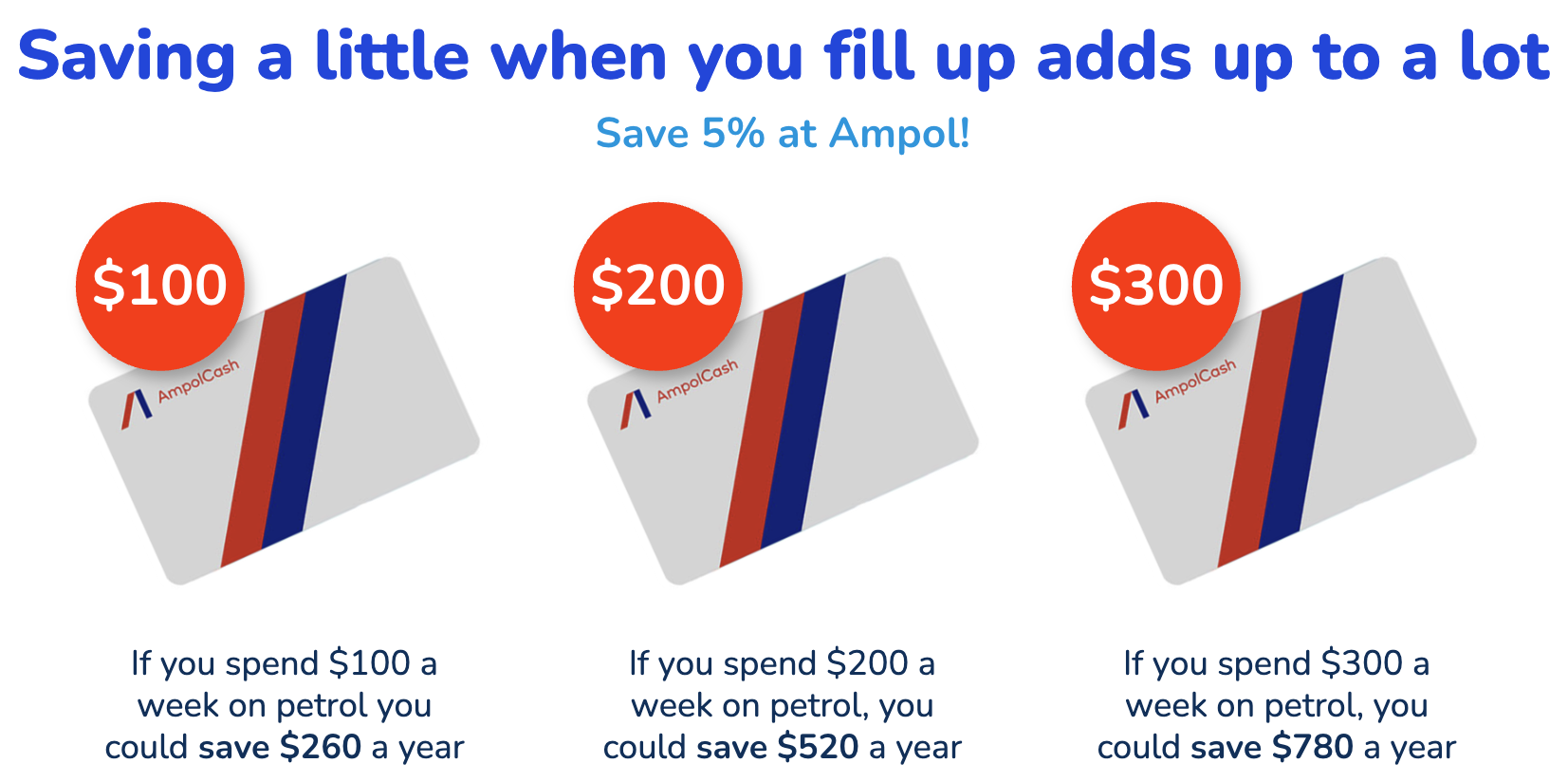
Discounted fuel e-gift cards or curated rewards both work on the same principle: lower the cost where it’s incurred most often. When a tank of fuel costs a bit less, employees feel the difference immediately, and that relief compounds across the month. Fuel discounts negotiated with major brands like Ampol, Shell, 7/11, and EG Australia can reduce the cost per litre wherever you live in Australia, which is crucial for hybrid or dispersed teams.
Lachlan Chaplin, Restaurant Employee Experience Consultant at McDonald's, says he's personally seen significant savings on fuel by leveraging discounts:
"Thanks to the great savings available through the MyBenefits (Reward Gateway | Edenred) platform, I saved 25 cents per litre at Ampol, even when fuel prices were at their peak. I stacked my Ampol NRMA discount, Woolworths Rewards, and a 5% Ampol voucher, and watched the price drop at the pump. Proof that stacking your discounts really pays off."
The fuel crisis has resulted in a massive uptick in usage of our fuel e-gift cards, with users saving approximately 12 cents per litre on fuel, with some seeing even higher discounts by stacking loyalty programs on top like Lachlan. Sales of fuel e-gift cards grew by 108% year over year in March, a huge lift that clearly shows the importance people place on saving money on fuel right now. We're also continuing to see double digit growth in supermarket e-gift cards as well, with 4% savings off the weekly grocery shop.
One of our Reward Gateway | Edenred clients has taken it a step further and introduced custom rewards that focus on targeted fuel relief.
Anglicare introduced the Fuel Expense Support Program in response to the very real and increasing cost-of-living pressures affecting its workforce. The Anglicare People team knew that many of its team members travel significant distances each day, often combining car and public transport, to get to work.
For other Anglicare employees, moving between locations or travelling into the community is a core part of their role, and the rising cost of fuel can add both financial and emotional strain. Kathryne Purvis, Senior Organisational Development Manager at Anglicare, says it's all about helping their people:
"This new initiative is grounded in Anglicare’s belief that caring for others starts with caring for our own people. By providing targeted support where it’s needed most, the program eases pressure, supports wellbeing, and demonstrates our commitment to building a compassionate and sustainable workplace."
"For Anglicare employees, the Fuel Support Program offers practical relief from the financial pressures of essential travel, making them feel seen, valued, and supported, especially during these challenging economic times. Ultimately, it provides greater peace of mind, letting our people focus on their meaningful work in the community."
"As a practical example for other organisations, our experience shows how it’s possible to respond with compassion and purpose by really listening to employees, particularly those in frontline or mobile roles, identifying everyday pressures that impact their work, and offering support that’s both targeted and aligned with organisational values. It’s a powerful reminder that employee wellbeing is at the heart of stronger outcomes for the people and communities we serve."
Choosing a program people actually use
The best benefits are easy, transparent, and available where your people live and work. Start by prioritising coverage in whatever provider you implement.
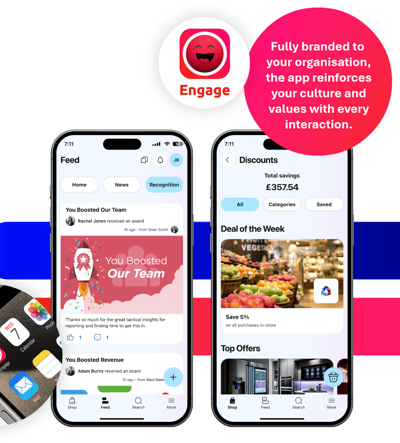 Choose a platform with discounts across a wide range of fuel networks so rural staff, shift workers, and travelling teams can all access savings without detours.
Frictionless redemption matters just as much. Stored fuel cards, one‑tap vouchers, and automatic cashback outperform benefits that require printing, scanning, or repeating complex codes at the till.
They should also be able to “stack” the benefit with station/brand loyalty programs to ensure they're making the most of these purchases.
Accessibility is also critical, your people should be able to access these fuel discounts on the go through an easy-to-use mobile app. This can show eligible fuel brands, real‑time offers, and straightforward redemption steps to reduce their cognitive load during a busy week.
Launching and communicating for adoption

Strong programs succeed or fail on awareness. Before launch, survey employees to learn where they typically fill up, how much they spend, and what would make a benefit feel worthwhile.
Use the findings to select the right partner and platform and tailor messaging. Announce the program with concrete examples rather than abstract percentages, so they really understand how much money is going back into their pockets. Provide a simple getting‑started guide, short explainer videos, and manager toolkits so team leads can answer basic questions.
For frontline environments where employees may have limited access to computers, consider kiosk signups, SMS links, or printed QR codes posted in break rooms to help people enrol and start saving quickly.
Sustain momentum with timely nudges. Reminders before paydays, holidays, or anticipated price spikes catch employees when they’re most receptive. Share real stories from colleagues, “I saved $24 last month using our fuel discount”, to normalise participation and build trust. Refresh marketing periodically with updated discounts lists, new custom rewards, or seasonal campaigns to refresh imagery and avoid “banner blindness” over time.
Want to learn more about offering cost of living relief to your people and boosting their financial wellbeing? Access our Cost of Living content hub for a range of free, helpful resources.
To learn more about our Employee Engagement Platform and how it can support your people during times of uncertainty and change, schedule a free consultation with one of our experts.