Taking safety beyond training and into your culture


In manufacturing, where margins are tight and the pace is relentless, safety has a profound impact on both employees and businesses. It’s about compliance with regulations and avoiding risk. It’s about saving time and money. And it’s about creating an environment where employees feel valued, supported, and motivated to perform at their best. It influences everything from employee retention and engagement to operational performance and profitability.
The ripple effect of safety on employees and businesses
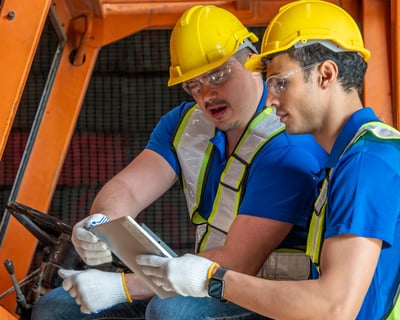 Safety in manufacturing is more than the equipment you wear and the process you follow; at its best, it is a cultural force that shapes the daily decision making of employees and the outcomes for businesses. When safety is prioritised, employees feel cared for, which directly impacts their engagement and productivity.
On the flip side, neglecting safety will send a message that encourages employees to leave, and that will reduce engagement if they do stay.
For HR leaders, this translates to rising healthcare costs, increased turnover, and a workforce that feels disconnected from safety programs. For plant managers, the consequences are equally dire: staffing gaps, fatigue-driven mistakes, and disruptions to output.
Why traditional safety programs fall short
Most manufacturing businesses already have safety programs in place, including training, policies, and benefits. While these are essential, they often fail to create lasting behavioural change. Training sets expectations, but it’s reinforcement that builds habits. Without consistent recognition and support, employees may struggle to maintain safe practices, especially under the pressure of tight deadlines and fatigue.
SUCCESS STORY: How O'Brien Doubled Recognition in One Year
What’s missing from traditional safety programs is creating a collective culture that supports employees to make the right decisions and celebrates them when they do. Employees need real-time reinforcement for safe behaviours, recognition for doing things right, and practical wellbeing support so they are focused and ready to work. Without these elements, even the best-designed programs can fall short of their goals.
Building a culture of safety: A holistic approach
 To truly embed safety into the fabric of a manufacturing workplace, businesses must shift their focus from reactive measures to proactive reinforcement; from “putting out fires” to promoting actions that prevent problems.
This means integrating rewards, recognition, and wellbeing into every shift, and creating a culture where safety is second nature.
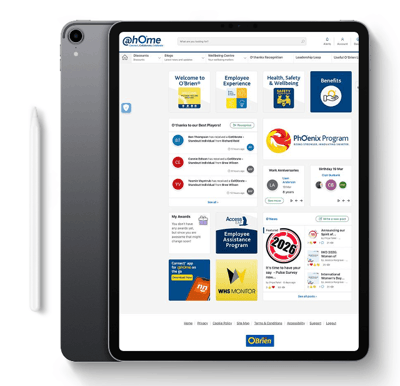
Iconic Australian brand O'Brien doubled its recognition in 2025, compared to 2024, and saw a 3.6x increase in eCard usage across its auto and glazing frontline teams.
Fiona Blaine, Employee Experience Lead at O'Brien, attributes these amazing results to the way the recognition program was designed and rolled out, with the O'Brien team laser-focused on building structure and consistency through custom recognition and routines specific to frontline teams.
“Our people have strongly engaged with our O’thanks recognition program because it’s simple, fun and accessible for everyone. The ability to customise our @hO’me platform and integrate recognition seamlessly has been a key contributor to the program’s success, particularly in connecting meaningfully with our frontline workforce. Partnering with Reward Gateway | Edenred has helped us build a recognition culture that is consistent, empowering, and impactful.”
Here are three key strategies to build a culture of safety:
Real-time recognition
Recognition is a powerful motivator. When employees are acknowledged for practicing safe behaviours, they’re more likely to repeat those actions. Sharing stories of success across shifts helps highlight examples of what is working so it can be repeated by others. Real-time recognition tools, such as points-based systems and peer-to-peer acknowledgments, can help reinforce good practices on the spot. Manager-led recognition can also ensure that safety isn’t seen as taking a backseat to production goals.
Rewards that clarify expectations
 Rewards tied to safe and healthy behaviours let the workforce know that safety is a priority to supervisors and leaders. By linking rewards to specific actions, businesses can create a clear connection between safety and success. Easy access to flexible reward redemption ensure employees can use their rewards to supplement basic needs or to get themselves something special.
Another Reward Gateway | Edenred client, Covalent Lithium, has seen an impressive 98% adoption of its platform by its people, with more than $2,000 worth of rewards sent in the last year alone.
Wellbeing support during shifts
Fatigue, stress, and burnout are major contributors to unsafe behaviours and mistakes. Practical wellbeing support, such as access to mental, physical, and financial wellbeing resources, can reduce these risks and improve overall employee health. An integrated wellbeing program can encourage employees to take their wellbeing seriously so they can stay focused, energised, and safe.
The business case for safety
When safety is embedded in every shift, the benefits extend far beyond compliance. For HR leaders, a culture of safety leads to higher engagement, lower turnover, and reduced healthcare costs. For plant managers, it means fewer incidents, more consistent output, and lower absenteeism. Together, these outcomes create a stronger culture and employer brand, positioning the business as a leader in how they treat their people and the results they achieve.
Learn more about how Reward Gateway | Edenred can support your organisation’s safety culture, and overall culture, with our suite of employee engagement solutions.