5 steps to improve global employee engagement across distributed teams
Improve global employee engagement with five practical strategies to boost communication, collaboration, and productivity across distributed teams.

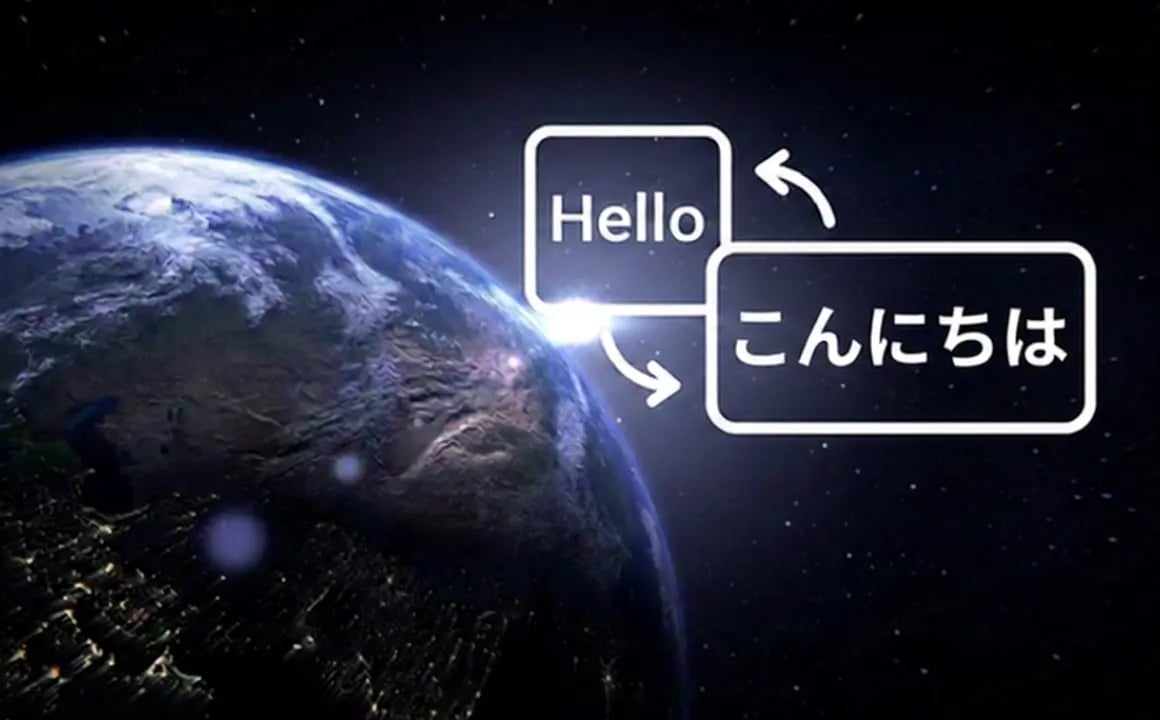
Global employee engagement is critical for organisations with distributed, remote, and international teams. When employees work across different countries, cultures, and time zones, creating a connected and engaging employee experience requires more than good intentions. It takes clear communication, strong leadership, and consistent ways of working.
Without the right approach, global teams can experience communication gaps, meeting fatigue, unclear expectations, and lower morale. But with a few practical habits, organisations can improve collaboration, strengthen culture, and support performance across every location.
Below, we'll explore five effective steps you can take to improve global employee engagement across your distributed workforce.
Why global employee engagement matters
Global employee engagement helps employees feel connected to their work, their teams, and the wider organisation, wherever they are based. Engaged employees are more likely to be productive, motivated, and committed to business goals.
For global organisations, engagement is especially important because employees may be working:
- Across multiple time zones
- In hybrid or remote environments
- With different communication styles
- Under different local norms, holidays, and working patterns
A strong global employee engagement strategy helps reduce friction and creates a more inclusive employee experience.
1. Lead with empathy across time zones
Empathy is one of the most important drivers of global employee engagement. Employees are more likely to feel valued and respected when leaders and colleagues take their time, workload, and personal commitments into account.
In global teams, one person’s working day may be another person’s evening. A message sent at the wrong time or an unrealistic expectation around availability can quickly create frustration.
How to show empathy in a global workforce
- Be mindful when sending messages or requesting quick responses
- Respect flexible working hours and local schedules
- Consider personal commitments and workload before booking meetings
- Avoid assuming that everyone is available at the same time
When employees feel understood and considered, they are more likely to stay engaged and contribute positively to the team.
2. Tailor communication to your audience
Clear communication is essential for improving global employee engagement, but effective communication is not one-size-fits-all.
Global teams often have different preferences around communication channels, response times, tone, and meeting styles. Understanding your audience helps avoid misunderstandings and improves collaboration.
For example, before scheduling a meeting, check the local time for each participant. Before sending an urgent request, think about whether email, chat, or a shared project tool is the best channel.
Best practices for global communication
- Check time zones before scheduling meetings
- Share meeting times in each attendee’s local time
- Use scheduling tools to find suitable times for everyone
- Choose communication channels based on urgency and team preferences
- Be aware that tone and language can be interpreted differently across cultures
These small adjustments can make a big difference to how included and supported employees feel.
3. Use better meeting habits to support engagement
Meetings can either support global employee engagement or harm it. Poorly planned meetings often waste time and leave employees disengaged, especially when they happen outside normal working hours.
Good meeting etiquette helps employees feel that their time is respected and that their contribution matters.
How to run better meetings for global teams
- Include a clear objective in every calendar invite
- Add an agenda so attendees can prepare in advance
- Explain what decisions or outcomes are needed
- Start and finish on time
- Only invite people who need to be there
- Share actions and follow-up notes after the meeting
When meetings are structured and purposeful, employees are more likely to stay engaged and productive.
4. Set clear expectations and build accountability
A successful approach to global employee engagement depends on trust, and trust grows when communication is clear and people follow through on commitments.
In distributed teams, delays and confusion can happen when responsibilities are unclear or responses are inconsistent. That is why setting expectations early is so important.
Ways to create clarity across global teams
- Acknowledge messages promptly, even if a full answer must come later
- Communicate realistic timelines and update others if plans change
- Use status updates and out-of-office messages when unavailable
- Make ownership and deadlines visible to everyone involved
- Encourage employees to take responsibility for moving work forward
Clarity reduces unnecessary stress and helps teams work together more effectively across locations.
5. Make deadlines collaborative, not one-sided
If you want to improve global employee engagement, involve employees in planning deadlines rather than simply assigning them.
Asking someone when they can realistically deliver work shows respect for their workload and competing priorities. It also leads to better planning, stronger accountability, and less frustration.
Why collaborative deadlines improve employee engagement
- They create more realistic delivery dates
- They build trust between teams and managers
- They give employees a sense of ownership
- They reduce pressure and help prevent burnout
This simple shift can have a meaningful impact on morale and long-term engagement.
Common challenges in global employee engagement
Many organisations struggle with global employee engagement because of common barriers such as:
- Time zone differences
- Inconsistent communication
- Lack of visibility across teams
- Meeting overload
- Cultural misunderstandings
- Unclear ownership and accountability
Addressing these issues with practical day-to-day improvements can strengthen engagement across the business.
Final thoughts on improving global employee engagement
Improving global employee engagement does not always require a major transformation. Often, the biggest gains come from consistent everyday habits: communicating with empathy, respecting time zones, improving meetings, setting clear expectations, and involving people in planning their work.
For global organisations, engagement is built one interaction at a time. When employees feel respected, included, and supported, they are more likely to do their best work, wherever they are in the world.
Looking to improve global employee engagement across your organisation? Talk to our team to discover how the right strategy, tools, and support can help you create a more connected employee experience.