7 reasons employee reward programs fail
Here are seven of the most common reasons why employee reward programs fail, and how to fix them.


Most employee reward programs start with the good intention of recognising a key moment in the employee lifecycle: underlining a team achievement, milestone work anniversaries, or gifts at the end of the year.
The problem is that even the simplest rewards can be hard to manage when multiple initiatives are running or when you need to send rewards at scale. This is when admin increases, visibility of whether the reward is being redeemed is lost, and employees stop engaging in the way you wanted.
Here are seven of the most common reasons that happens and how to fix them.
1. Too much admin slows everything down
We are often surprised at the size and number of organisations who come to us with rewards that are managed through spreadsheets, manual approvals, and disconnected fulfilment processes. Managers buy vouchers separately, HR coordinates distribution manually, and payroll reconciles activity after the fact. It's not hard to see that as programs grow, administration becomes even harder to control.
The fix is to centralise reward issuance and reporting in one place. Strong programs reduce manual handling wherever possible, so teams spend less time managing rewards and more time using it effectively.
Rewards shouldn’t feel like a second administrative workload for HR.
2. Rewards arrive too late
Spot rewards that are delivered days after the intended moment lose the immediacy that made that moment meaningful.
Timing has a significant impact on how rewards land with employees. Focus on reducing the gap between the decision to reward and the employee receiving it. Instant digital fulfilment keeps rewards connected to the original moment and removes unnecessary delays from the process.
3. Retailer choice is too limited
One-size-fits-all rewards rarely work well. A retailer that feels valuable to one employee may feel completely irrelevant to another. Even generous rewards go unused if redemption options feel restrictive.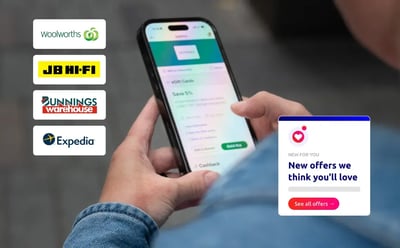
This matters especially in larger or more diverse workforces where spending habits, lifestyles, and priorities can vary significantly.
Give employees the flexibility to choose from a wide range of retailers: groceries, dining, technology, or everyday spending. When rewards feel personally relevant, redemption and the positive impact on the employee improves naturally.
WATCH NOW: The New Pay Reality: Total Rewards Beyond Raises
4. Nobody can see what is happening
Many reward programs operate with surprisingly little visibility. Finance teams struggle to track spend across departments. Payroll relies on manual reconciliation. HR can’t easily see what’s been redeemed, what remains outstanding, or which campaigns perform best.
Without reporting, it becomes difficult to control cost, improve program performance over time, or even see if it is performing at all.
Strong programs build reporting directly into fulfilment. You should be able to see issued, redeemed, and outstanding rewards in real time, alongside usage trends and campaign activity.
5. Programs break at scale
In our experience, reward activity tends to peak at exactly the moments operational pressure is at its highest.
.webp?width=400&height=251&name=Milestone%201%20(FINAL).webp) Christmas campaigns, company-wide initiatives, and large service award programs often expose weaknesses that stay hidden during quieter periods.
Christmas campaigns, company-wide initiatives, and large service award programs often expose weaknesses that stay hidden during quieter periods.
Design programs to scale from the start. Bulk issuance, centralised management, and automated fulfilment allow you to handle higher reward volumes without increasing operational complexity.
6. Rewards feel generic
Employees notice when rewards feel transactional. Generic messaging, poor communication, and limited personalisation reduce the perceived value of rewards, even when the financial value is relatively high.
Employees respond more positively to rewards that feel intentional rather than automated.
You don’t need to overcomplicate this. Simple personalisation, branded communications, and clearer context around why rewards have been issued make a real difference to how they're received.
7. Programs built around internal processes instead of employees
Poor mobile experience, complicated redemption journeys, and limited usability all reduce engagement. Employees expect rewards to feel as simple and immediate, as the digital services they already use every day.
Think about the recipient experience first. Redemption should feel straightforward, accessible, and easy to complete without instructions or unnecessary steps. The easier rewards feel to use, the more effective the program becomes.
Better reward programs focus on simplicity
Rewards that feels quick to issue, simple to manage, and genuinely useful to employees will get used.
If you want reward programs to perform consistently, focus on removing friction from fulfilment, improving relevance, and giving teams clearer operational visibility from the start.
Want to learn more about implementing a seamless recognition and reward program? Access our free workbook: Your Essential Guide to Designing a Recognition & Rewards Program.
Alternatively, reach out to our team for a personalised consultation on your recognition and reward needs.