How construction companies can engage, recognise, and retain frontline employees
Learn how construction HR leaders can engage a dispersed workforce with simple recognition, inclusive frontline programs, and meaningful safety recognition.

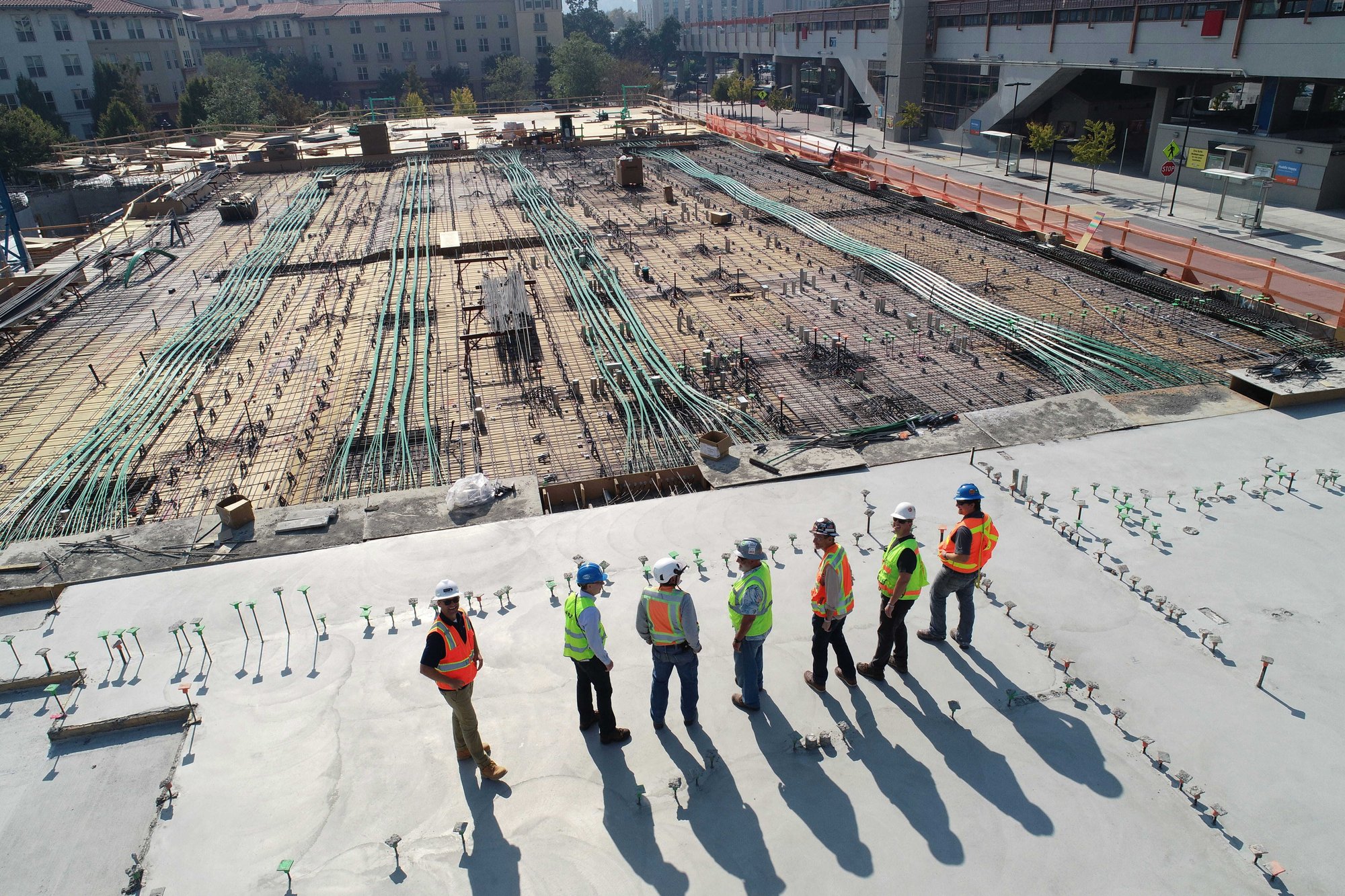
Construction HR teams face a distinctive challenge: creating a connected employee experience across a workforce that may be spread across jobsites, shifts, regions, and roles.
A head-office employee may see company updates, join a recognition program, or ask HR a question in person. A worker on a remote site may have fewer opportunities to access the same support or may not even know it’s available. When that happens, benefits and recognition can start to feel like they’re designed for corporate employees, rather than for everyone who helps deliver the work.
At the same time, construction companies are competing for highly skilled people in a market where investment in employees is the norm. HR leaders need to keep pace with the market, attract the best talent, and stand out so they don't get left behind.
The challenge of engaging a dispersed construction workforce
Construction work is naturally distributed. Employees may be based at different projects, work varied shifts, move between sites, or spend much of their day away from an office. That makes it harder to deliver consistent communication, support, and recognition.
The result can be a gap between what a company offers and what employees experience. HR may have a benefits program, wellbeing resources, or recognition initiatives in place, but workers don’t necessarily encounter them in a convenient or relevant way. We saw this gap recently in our Global Workplace Joy Index research, which found that while 50% of Australian employees rate communication about employee benefits positively, a staggering 78% of HR leaders say the same.
This isn’t simply a communications problem. If recognition and support are most visible at head office, site-based employees may conclude that they aren't really intended for them. Over time, that can weaken the sense of belonging across the workforce.
For HR leaders, the question is not just, “What programs do we offer?” It’s also, “Can every employee access and take part in them, wherever and whenever they work?”
Don’t let engagement become another after-hours task
Digital tools can help connect a dispersed workforce, but adoption is not automatic. Frontline employees may already be expected to use several systems for work. Another app can feel like one more thing to download, learn, and check, particularly if participation is expected outside working hours.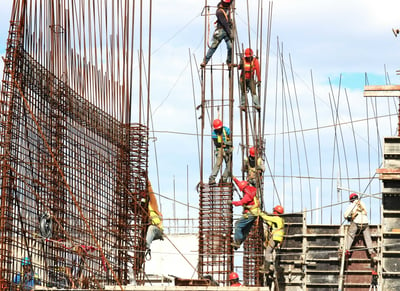
That’s why simplicity matters. An engagement initiative should fit the way people work, not assume every employee has the same access, schedule, or appetite for another platform.
Before introducing a new tool or program, consider:
- Is it straightforward to use, including for people who are not desk-based?
- Can employees take part during the working day, where appropriate?
- Is it clear what the initiative is for and what employees need to do?
- Can the company reach people who do not regularly use email or internal systems?
- Does the experience work across different sites, shifts, and roles?
The aim is not to avoid technology. It’s to make sure technology reduces friction rather than adding to it. A simple, relevant experience is more likely to earn participation than a complicated one that competes for employees’ time.
Consider a mobile-first approach
For employees who spend their day on site rather than at a desk, a mobile-first approach can make recognition and company updates easier to access. A dedicated employee engagement app can bring key information and everyday moments, such as birthday wishes, service anniversary messages, and safety recognition, into one place employees can reach from their phone.
The app needs to be simple, relevant, and designed around how frontline teams work. Keep actions quick, make content easy to find, and consider employees’ access to devices, connectivity, and time during shifts. Be clear about whether the app is intended for use during work hours, and avoid making engagement feel like an expectation after hours.
Before choosing a dedicated app, ask site teams what they need and test the experience with a range of roles and locations. A mobile-first tool should reduce friction and help employees feel included, not become another system they’re expected to manage.
Start with the everyday moments employees notice
Recognition doesn't always need to begin with a major awards program. Celebrating everyday moments, such as birthdays and work anniversaries, can help employees feel remembered and valued.
Automating birthday and service-anniversary recognition is one practical way to make these moments more consistent across a large or geographically dispersed workforce. It can help HR teams avoid relying on individual managers to remember every date, while giving employees a visible sign that their contribution and tenure matter.
Automation should support a human approach, not replace it. A message feels more meaningful when it's timely, personal, and delivered in a way the employee is likely to see. HR teams can work with site managers and supervisors to make sure recognition feels authentic across locations, rather than like a generic corporate message.
Small, reliable gestures can also help establish a broader recognition habit. When employees see that recognition is part of everyday working life, not just something reserved for head office or annual events, they may be more likely to take part themselves.
Read the success story: How O'Brien doubled recognition in one year
Bring safety recognition into the culture
Safety is central to construction work, so it makes sense that safety recognition resonates with these teams. Many organisations already have safety procedures, training, and reporting processes. Recognising positive safety behaviours can add another dimension: acknowledging the everyday actions that help people look out for themselves and each other.
That might mean recognising someone who raises a hazard, follows a safe process under pressure, supports a colleague during a stressful moment, or contributes to improving a site’s safety practices. The specific behaviours should reflect the company’s own standards and be developed with input from safety leaders, supervisors, and workers.
A thoughtful safety recognition program should:
- Recognise observable behaviours: Be clear about what the organisation wants to encourage.
- Make recognition timely: Acknowledging an action close to when it happened helps connect the recognition to the behaviour.
- Include the whole workforce: Make sure site-based employees and different shifts have a fair opportunity to be recognised.
- Avoid rewarding luck or silence: Recognition should never discourage workers from reporting hazards, near misses, or incidents.
- Connect recognition to shared standards: Explain why the behaviour matters to the team and the site.
Safety recognition isn't a substitute for training, hazard controls, supervision, or a strong safety management system. It should complement those foundations by making positive contributions visible and reinforcing the behaviours the organisation values.
Make inclusion a practical design choice
A company can have excellent intentions and still create an employee experience that works better for some roles than others. HR teams can help close that gap by designing engagement initiatives around the realities of construction work.
For example, consider how employees will receive recognition if they don't sit at a desk, regularly check email, or have time to use a personal device at work. Think about whether supervisors have a clear role in sharing updates and acknowledging contributions. Ask workers across different sites what would make participation easier and what might make it feel like an unwanted extra task.
These conversations can reveal simple improvements: a mobile-first platform, clearer messages, better timing, more consistent manager involvement, or a recognition process that takes less time to complete.
Most importantly, involve frontline employees in shaping the approach. A program designed with the people who will use it is more likely to feel relevant than one designed around assumptions about how site teams work.
Keep pace by investing in people in ways they can feel
Construction companies are operating in a competitive labour market, and investment in people is part of how organisations signal what they value. But investment is most meaningful when employees can experience it, not just when it appears in a strategy document or company-wide announcement.
That doesn't mean HR teams need to launch a large, complex program all at once. A focused approach can be a strong starting point:
- Identify where employees feel disconnected: Look across sites, shifts, and roles, not only office locations.
- Choose a few meaningful moments: Start with practical recognition such as birthdays, service anniversaries, or positive safety behaviours.
- Make participation easy: Reduce unnecessary steps and avoid relying on after-hours engagement.
- Equip supervisors: Give managers clear guidance on what to recognise and how to do it sincerely.
- Listen and adjust: Ask employees whether recognition reaches them and feels relevant.
- Review participation across groups: Check that the program is not unintentionally serving some locations or roles better than others.
This approach helps HR teams respond to competitive pressure without adding complexity for its own sake.
Measure whether the experience is reaching people
A recognition program should be reviewed not only for how many messages or rewards it generates, but also for who is participating and who is being recognised.
Consider reviewing participation by site, role, or shift, while respecting privacy and using data appropriately.
Ask employees and supervisors whether the process is easy to use and whether recognition feels genuine.
For safety recognition, involve the appropriate safety professionals to ensure the program supports, not undermines, reporting and safe work practices.
The purpose of measurement is to spot gaps and improve the experience, not to turn recognition into another performance target.
If one site is underrepresented, for example, HR leaders can investigate whether employees know about the program, whether access is practical, or whether local leaders need support to participate.
Build an employee experience that works on every site
Construction HR leaders don't need to choose between engaging employees and keeping things simple. They can start by making recognition easier to access and more relevant to the realities of frontline work.
Automated birthdays and service anniversaries can help make everyday appreciation more consistent. Recognition for positive safety behaviours can reinforce what the organisation values and help make safety part of the culture. And thoughtful design, built around site conditions, working hours, and employee feedback, can help prevent support and recognition from feeling like head-office benefits.
When employees across every job site can see that they are included, valued, and supported, engagement becomes more than another app or initiative. It becomes part of how the company works.
Want to make employee engagement and recognition work across every job site? Talk to our team about finding the right approach for your construction workforce.