How to build a recognition and rewards budget
Learn how to build a recognition and rewards budget that boosts employee engagement, supports company culture, and drives performance with cost-effective recognition strategies.

Creating an effective recognition and rewards budget is one of the smartest investments an organisation can make. When done well, an employee recognition program does more than celebrate achievements, it helps improve employee engagement, strengthens company culture, increases retention, and drives better business performance.
But many HR leaders and business decision-makers ask the same question: How much should we budget for employee recognition and rewards? The answer depends on your culture, goals, and the behaviours you want to encourage.
In this guide, we’ll break down how to build a recognition and rewards budget that is practical, impactful, and aligned with your organisation’s values.
1. Build your recognition framework first
Before you decide how much to spend, you need to define what recognition looks like in your organisation. The most successful employee recognition programs are built on a clear framework rather than ad hoc rewards.
A strong recognition strategy often includes five key building blocks:
- Accessibility
- Integration
- Relevancy
- Spotlighting
- Celebration
Recognition is not one-size-fits-all. What works in one company may not resonate in another. Your program should reflect your company values, employee experience, and workplace culture.
Ask yourself:
- What does good look like? What behaviours, actions, or results are you recognising and rewarding?
- What does your culture feel like? What type of recognition will feel authentic to your people?
- How do you want employees to feel? Appreciated, motivated, connected, inspired?
When your recognition framework is clear, it becomes much easier to create a budget that supports the right behaviours and delivers meaningful outcomes.
“Years ago, we asked ourselves a very important question: How do we make our people feel seen, heard, and valued across such a dispersed workforce, spread across time zones and roles? Recognition is one of the most powerful yet underrated business levers. Done right, it drives engagement, boosts morale and strengthens performance across the board." - Neha Patel, Manager - Performance, Recognition & Benefits at Suncorp
2. Focus on impact, not just cost
When planning a recognition and rewards budget, it’s easy to focus purely on spend. But a better question is: What impact will this investment have on the organisation, and what is that worth?
Effective, values-based recognition can support:
- Higher employee engagement
- Improved productivity
- Stronger collaboration
- Better alignment with company values
- Increased motivation and discretionary effort
- Improved employee retention
In other words, recognition should not be seen as a “nice to have.” It's a strategic tool that can help employees not only meet expectations but exceed business goals.
A well-designed employee recognition and rewards program creates a positive cycle: employees feel seen and appreciated, engagement rises, and the business benefits from stronger performance and culture.
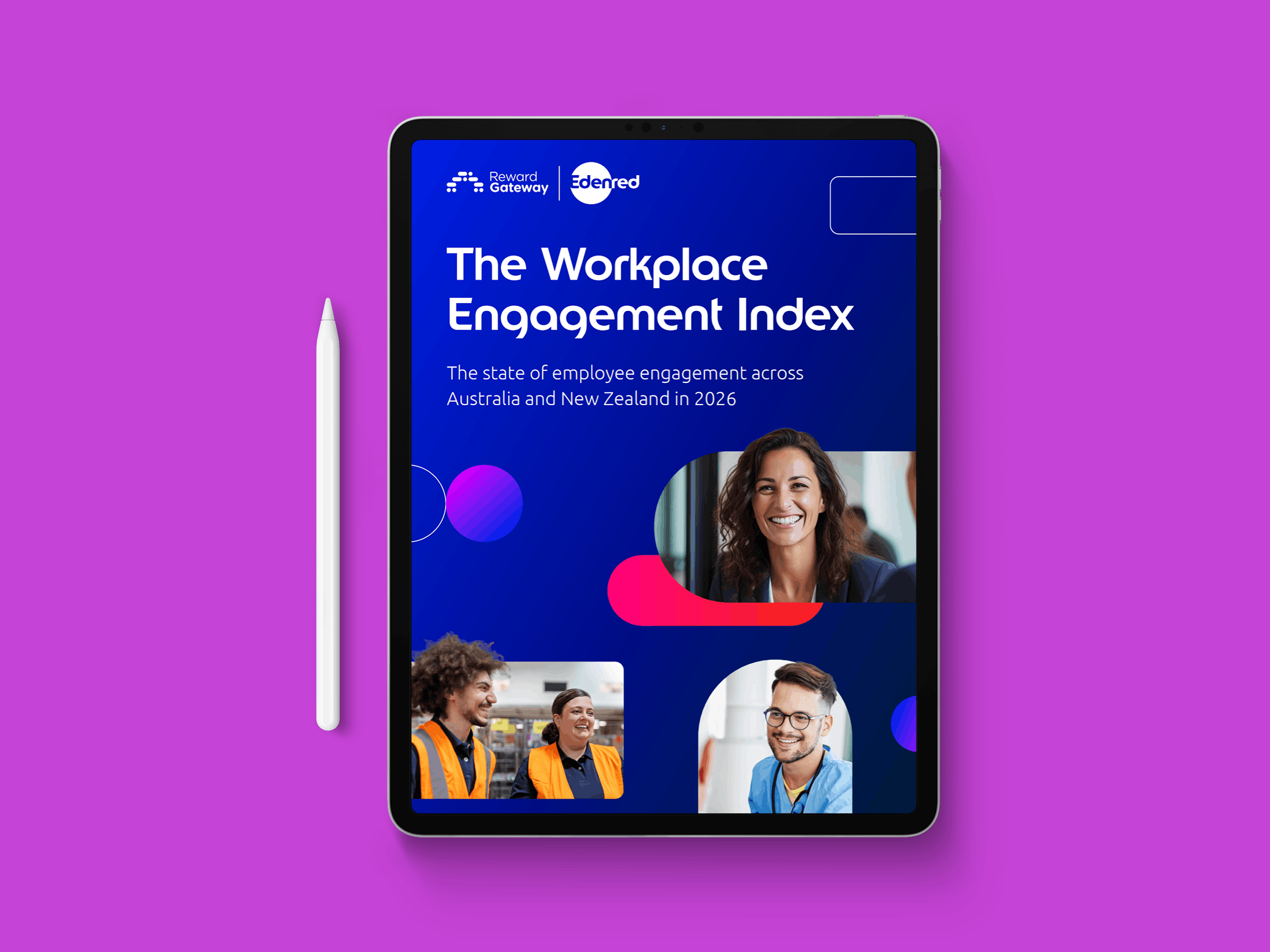
Did you know? For the second year running across Australia and New Zealand, receiving recognition and rewards is the top productivity driver. Nearly half of ANZ employees (49%) say recognition and rewards make them feel more productive in 2026, up from 43% in 2025.
3. Get real about the true costs
To build a strong business case, it’s important to consider the full cost of your recognition program, not just the value of the awards themselves.
Your total budget should include:
- Time spent designing and launching the program
- Time managers and employees spend giving recognition
- The monetary cost of rewards and recognition items
- Training costs for managers and employees
- Communication and change management costs
- Administrative or platform costs
- The cost of introducing any new processes or systems
This broader view helps you understand both investment and return. A recognition program that is thoughtfully designed and easy to use is more likely to generate measurable ROI through improved engagement, stronger performance, and a healthier workplace culture.
4. Make your budget work smarter
A great recognition and rewards program doesn't have to rely on big spend. The most effective strategies combine low-cost, high-frequency recognition with higher-value awards for key milestones and achievements.
If you have around $145 per employee, per year, here is an example of how you might structure your budget:
| Type of award | Typical spend | Approval required | Frequency |
|---|---|---|---|
| Peer-to-peer eCards | Free – Unlimited | No | Ongoing |
| Instant awards | $20–$35 | No | Ad hoc |
| Manager awards | $70 | Yes | Quarterly |
| Quarterly or team awards | $105–$145 | Yes | Quarterly |
| Employee of the year or leadership awards | $215–$350 | Yes | Annual |
This kind of tiered approach allows you to create multiple recognition moments across the employee journey. It also ensures that recognition is not limited to a small group of people or major annual events.
Tip: Offer a mix of formal and informal recognition touch points so everyone can participate, regardless of role, seniority, or location.
5. Low recognition budget? Get creative!
If your budget is limited, that doesn’t mean recognition has to stop. Some of the most meaningful forms of recognition cost little or nothing at all.
Free recognition ideas include:
- Peer-to-peer eCards
- Public shout-outs in team meetings
- Manager thank-you messages
- Recognition posts on internal communication channels
- Celebration walls or social recognition feeds
- Spotlighting employee achievements in company newsletters
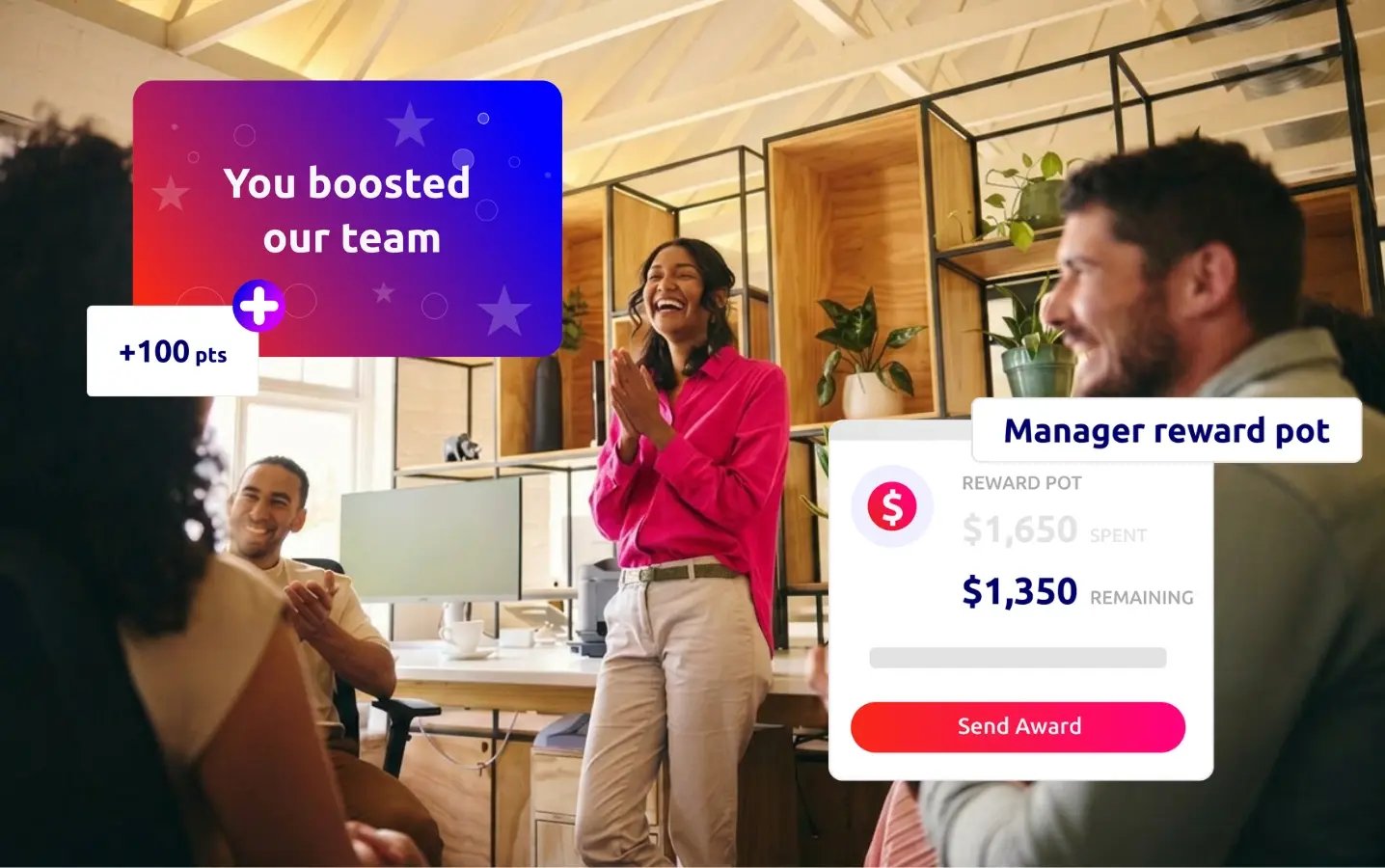
For example, at Reward Gateway | Edenred, employees can send free eCards to peers to celebrate achievements and everyday wins. These recognitions appear on a shared “WOW Wall,” where colleagues can like, comment, and amplify appreciation across the business.
These kinds of social recognition moments help create a visible culture of appreciation and that can be just as powerful as a monetary reward.
"I think it's really important just to show that as an organisation that recognition is a huge part of our culture. We're very big on values and behaviours, and I think that starts from the grassroots, from our people. So, to enable them to have peer-to-peer recognition and that it's visible to everybody on the platform is hugely important. We know that money recognition is great, but actually people get more inspired by being recognised on a social platform." - Glen Nesbit, Head of Wellbeing, Engagement and Reward at Bupa Australia Pacific
6. Prioritise recognition that reinforces the right behaviours
Traditional long service awards may still have a place, but they are often too infrequent to influence day-to-day performance or reinforce the behaviours you want to see more often.
Instead, focus on frequent, meaningful employee recognition that is timely, specific, and connected to your company values. This helps employees understand what success looks like and encourages them to keep bringing their best to work.
Recognition that works is:
- Frequent
- Genuine
- Timely
- Inclusive
- Easy to give
- Aligned with values and business goals
When employees feel valued and respected consistently, not just once a year, they are more likely to stay engaged, contribute positively, and build stronger connections with their teams.
"Giving them an opportunity to reward their peers, to reward their bosses or vice versa, is quite meaningful and we've linked our recognition back to our core values. So it's all about displaying behaviours that are in line with, who we want to be and how we want to show up." - Michael Oliverio, Employee Benefits & Engagement Partner at Hungry Jack’s
7. Measure the success of your recognition investment
To make your recognition and rewards budget more effective over time, measure what matters. This can help you prove value internally and refine your approach.
Useful metrics might include:
- Recognition participation rates
- Manager adoption rates
- Employee engagement scores
- Employee retention and turnover
- Platform usage data
- Award redemption rates
- Feedback from employees and managers
Tracking outcomes can help you identify what's working, where adoption can improve, and how your budget can be allocated more effectively in the future.
Final thoughts: Build a budget that supports culture and performance
A strong recognition and rewards budget is not simply about assigning a dollar value to employee appreciation. It's about creating a structured, inclusive, and meaningful recognition strategy that supports both culture and business performance.
Start by defining your framework. Focus on impact as well as cost. Be realistic about implementation. Use your budget wisely across a variety of recognition moments. And remember: even with little or no budget, recognition can still make a big difference.
When recognition is frequent, relevant, and aligned with your values, it becomes a powerful driver of engagement, motivation, and performance.
Discover how a tailored recognition and reward solution can support your people, strengthen your culture, and make your budget go further.