A guide to points-based reward systems for employees
%20(1).jpeg?width=40&height=40&name=Alex%20Powell-7746%20(Med)%20(1).jpeg)

We not only offer our clients access to recognition technology, but we love knowing more about how and why it works.
In our conversations with clients and their people (we're now proudly serving 1 in 12 Australians!), we know that having flexible, custom rewards are essential for employees. Given the choice of a gift my manager or HR picked out for me or something I really want? The choice is clear.
What is a points-based reward system for employees?
A points-based reward system is an incentive program designed to acknowledge and reward desirable behaviours, achievements, or milestones within an organisation.
 How it works
It has always made sense to give employees big rewards when they accomplish big tasks, but in the real world, the best way to motivate people is to encourage them in small ways all along the path to accomplishment. In a points-based reward system, employees can get small (or large!) amounts of points for completing specific tasks, reaching performance targets, or demonstrating behaviours aligned with company values. The accumulation of these points provides that small, meaningful 'thank you' along with the promise of a valuable reward of their choosing.
Awarding points
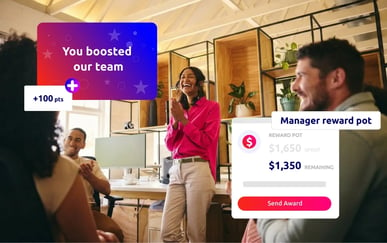
Points can be rewarded based on predetermined criteria set by the organisation. For example, employees may receive points for achieving sales goals, completing training programs, participating in team-building activities, or contributing to company culture initiatives. Points can also be given on-the-spot by colleagues and managers when they live their company values or support the team or customers. This structured approach helps reinforce positive behaviours and align employee efforts with company objectives.
Redeeming points
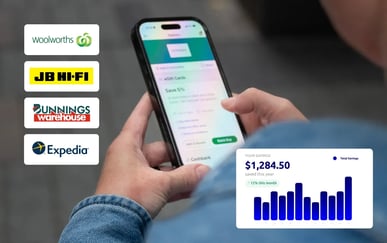
While the awarding of points is one way to let an employee know their work is seen, it's also important that points can be redeemed for rewards that matter to them. Our clients have access to our integration with Amazon.com and a wide range of gift cards, but they can also include non-monetary rewards in Reward Marketplace such as extra vacation days, prime parking, or experiences like tickets to events. The flexibility in redemption options enhances employee satisfaction and takes the pressure off leaders to know (and go get) the perfect gift.
Overall, a points-based reward system creates a motivational framework that recognises and celebrates employee contributions while also fostering a positive workplace culture.
Benefits of employee recognition points systems
Recognition programs can greatly influence culture and business success. They can provide additional excitement and interest and help organisations overcome challenges with adoption. Here are some key benefits:
Increased flexibility and personalisation
Points-based systems allow employees to choose rewards that resonate with them personally, fostering a more tailored experience. This flexibility enhances employee satisfaction as individuals can select incentives that are most meaningful, improving their connection to the workplace.
Improved engagement
 These systems create a competitive yet collaborative environment where employees are motivated to perform at their best. By visibly tracking and rewarding accomplishments, employees are given frequent reminders that their work matters. In an environment like this, they are more likely to stay engaged and committed to their work and the company’s goals.
Better data and insights
Implementing a points-based reward system provides organisations with quantifiable data about employee performance and engagement levels. Giving smaller rewards more frequently will provide you with more complete data on a wider range of employee performance. This data can reveal trends, highlight high performers, and identify areas for improvement, enabling informed decision-making in talent management and organisational development.
Continuous recognition
Regularly recognising and rewarding employee achievements fosters a culture of appreciation. Unlike annual reviews or sporadic bonuses, a points-based system allows for ongoing recognition, which can boost morale and encourage sustained high performance over time.
Positive behaviour reinforcement
By rewarding specific behaviours and contributions, companies can reinforce desirable actions within their workforce. This not only encourages employees to repeat those behaviours but also aligns their efforts with organisational values and objectives, ultimately driving a positive workplace culture. In addition, sharing these stories across the organisation can remind others what great work looks like.
Globalising rewards
When rewards are sent in points, it makes it easier for global teams to roll out across multiple countries. Everyone can get “75 points” for an achievement, and those points can translate into reasonable equivalents in multiple countries.
Overall, points-based reward systems effectively enhance employee satisfaction, motivation, and alignment with organisational goals, leading to improved overall performance.

Want more advice on developing effective recognition and reward programs? Access our on-demand webinar now: Recognition Best Practices for 2026.
Examples of employee reward point systems in action
Here are some examples of how rewards points can enhance your culture of recognition:
Rewarding performance to enhance motivation
 A newer employee does the work and builds the skills that allow them to hit their sales target. This may eventually result in commission, but they can more immediately get points and a recognition program can share this achievement across the team. Achieving those goals might be “their job” but knowing great work will be noticed will increase motivation to do that job well.
Enhancing recognition from peers to increase connection
Positive psychology has highlighted that giving to others is more likely to enhance your happiness. At Reward Gateway | Edenred, employees have a set number of points each quarter to give to colleagues who demonstrate helpfulness or teamwork. This allows us to elevate our thanks in ways that are more likely to be noticed during a busy day and can build additional connection between teams that rely on each other to get work done.
Incentivising learning and development
While employees want to hear about learning and development, we know that taking advantage of key trainings can fall to the bottom of a to-do list quickly. Providing employees with points for completing trainings, certifications, or professional development courses gives them that push to do the proactive work that will benefit their careers and company results.
Encouraging wellbeing challenge participation
Employees value a company that cares about their wellbeing, but they may not always jump onboard to participate in key benefits. Companies like GATX can provide points for employees that engage in wellbeing challenges, such as walking competitions, nutrition challenges, or mindful-minute events.
How much should employee rewards points be worth?
Having a points system with different equivalencies to the dollar offers flexibility in reward budgets and can influence employee behaviour differently. Here’s a breakdown of the value of varying point-to-dollar conversions:
Points equivalency:
1 Point = 1 Dollar
This straightforward conversion often leads to immediate clarity and transparency for employees. They can easily comprehend the value of their actions and rewards, making it simple to understand what they earn. This system is likely to motivate employees since each point they accumulate feels directly impactful, encouraging engagement and participation.
100 Points = 1 Dollar
This system can allow companies to offer a wider range of rewards without drastically inflating the point values. Employees may feel a sense of achievement as they accumulate points more rapidly while still understanding that rewards correspond to real-world value. This can allow companies some flexibility as budgets change, but it should be used cautiously as changes without transparency could reduce the reputation and effectiveness of rewards.
1000 Points = 1 Dollar
Using a higher point equivalency creates a more gamified experience. Employees can accumulate points more quickly, leading to a sense of immediate gratification. This can motivate participation in a variety of company initiatives, as employees see their point totals grow rapidly. However, it may also lead to confusion about the actual value of points if not communicated effectively and could diminish motivation if employees feel points are too abstract.
The chosen point-to-dollar equivalency impacts employee motivation, ease of understanding, and how rewards are perceived. Companies should carefully consider their objectives and employee preferences when establishing point systems to maximise engagement and effectiveness.
How to create a points-based reward system for your employees
Implementing a successful points-based reward system involves several methodical steps. Here’s a step-by-step guide:
 Step 1. Define goals and behaviours
Begin by identifying the specific goals and behaviours you want to encourage within your organisation. Are their specific tasks that can result in points? This might include meeting performance targets, completing training, or hitting a calendar milestone. Additionally, what are the types of rewards that can be provided on-the-spot? Is it just by company value? Or are there additional KPIs that can be encouraged (e.g. fall prevention in healthcare, time to delivery in manufacturing, etc.)
Step 2. Determine who can award points
Providing points is fun and drives engagement unto itself, so while limiting rewards to managers can help you better control your budgets, allowing all employees to give points can do more to enhance your culture.
Step 3. Set point values
Assign a levels of points for various rewards. Providing a range allows for flexibility and a more thoughtful program. For example, managers might have 10 point, 25 point, and 50 point reward options so they can acknowledge different levels of effort and impact. Ensure the point system is easy to understand so employees can clearly see what actions lead to point accumulation.
Step 4. Select rewards
Provide employees with a diverse range of rewards that can be redeemed for points. Consider conducting surveys or focus groups to determine what rewards appeal to your workforce. Options can include gift cards, extra paid time off, professional development opportunities, or experiential rewards like team outings. Make sure the rewards cater to various interests and demographics within your company. This is an important step but can also be time consuming, so consider partnering with a vendor like Reward Gateway | Edenred.
Step 5. Track and report
Regular reporting on point accumulation and rewards redeemed can keep the program visible and maintain excitement around it. It can acknowledge groups that are early adopters and ensure more reluctant teams and managers are reminded of this resource. This tracking will also prevent any concerns senior leadership might have about where the points/investment is going.
Step 6. Get feedback and iterate
After the system has been implemented, actively seek feedback from employees to understand their experiences and perceptions of the program. Use surveys or focus groups to gather insights on what aspects they enjoy or what could be improved. Based on this feedback, be prepared to iterate and refine the system to better align with employee needs and preferences, ensuring it remains effective and engaging over time.
By following these steps, companies can create a points-based reward system that not only motivates employees but also fosters a positive and productive workplace atmosphere.
Build your employee rewards program with Reward Gateway | Edenred
At Reward Gateway | Edenred, we understand that reward and recognition programs help create a culture of continuous recognition and appreciation across your entire business. Our platform allows you to recognise and reward your people in ways that are meaningful, personalised, and aligned with your company’s brand.
From real-time recognition to tailored rewards that inspire your team, we make it easy to prioritise employee engagement. Schedule a demo with our team today and discover how our solutions can help your organisation create a culture of recognition that drives engagement and fuels long-term success.
Learn more about how Reward Gateway | Edenred can help you implement employee rewards for your people and make your corner of the world a better place to work.