How to build a successful multigenerational workforce
Learn how HR leaders can support a multigenerational workforce by overcoming stereotypes, improving communication, and building trust across generations.

Today’s workplace is more generationally diverse than ever. As many as five generations are now working alongside one another, from Baby Boomers and Generation X to Millennials, Generation Z, and the emerging Generation Alpha workforce.
For HR leaders, this creates an important opportunity and a unique challenge. How can organisations support different generations at work while avoiding stereotypes? What do employees of different ages really want from their workplace? And how should businesses prepare for the next generation of employees?
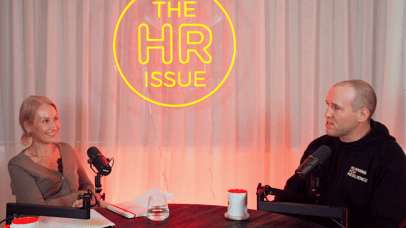
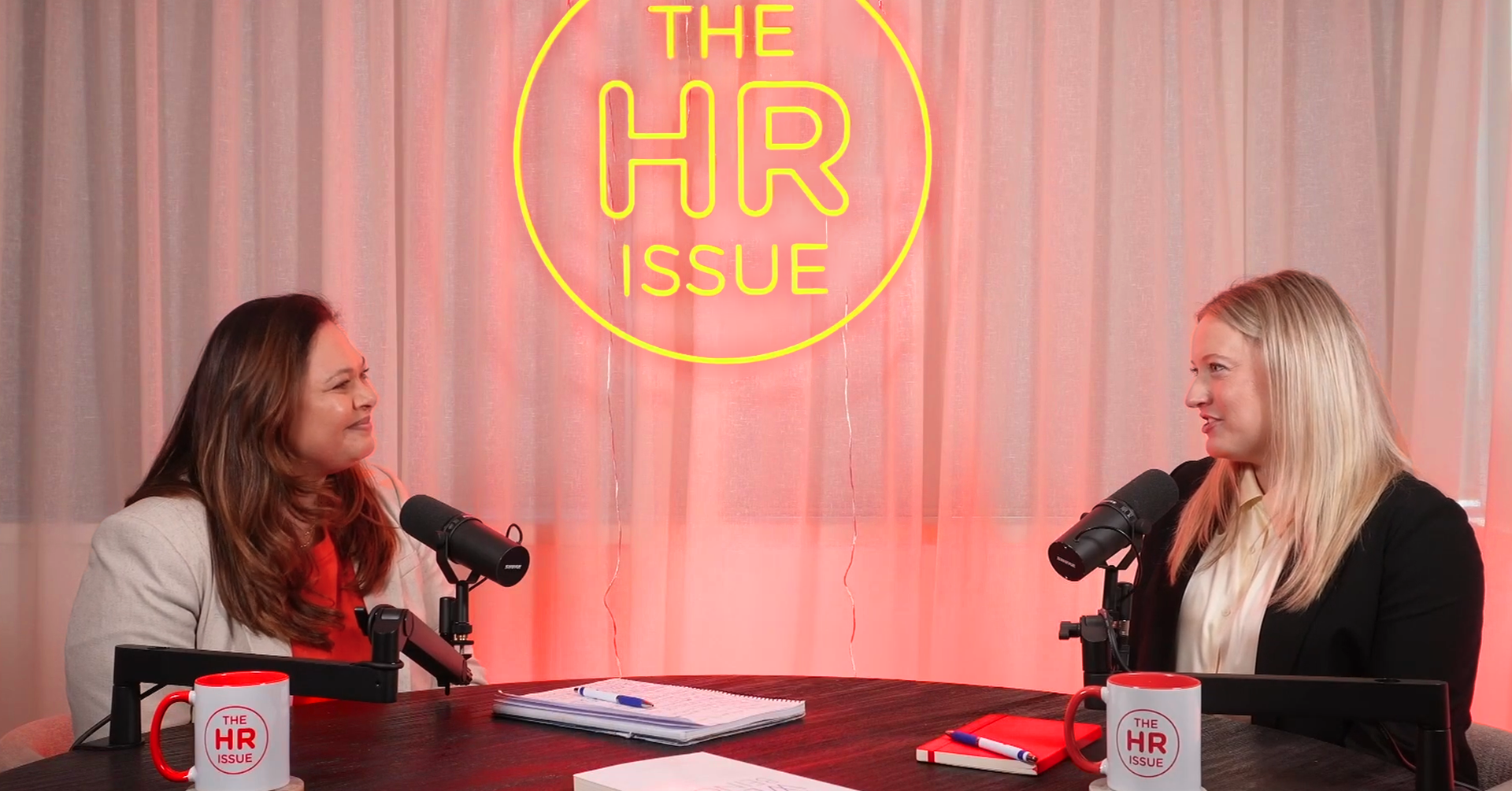
In the latest episode of The HR Issue, Kameel Martin, Head of Client Success at Reward Gateway | Edenred, spoke with Ashley Fell, futurist, social researcher, and author, about the future of work, generational diversity, and how organisations can build workplaces where everyone can thrive.
What is a futurist?
A futurist isn't someone who predicts the future using a crystal ball. Instead, futurism involves using research, data, and an understanding of human behaviour to identify emerging trends.
Ashley explained that looking at the future requires more than focusing on technology. HR leaders also need to consider:
- Social and cultural trends
- Demographic changes
- Human behaviour
- Major events
- The experiences of different generations
- The impact of new technology, including artificial intelligence
By combining these perspectives, organisations can develop a more realistic understanding of how work and society are changing.
“A great futurist is someone who is data-led. But you can’t just rely on a survey result of what people think about something. You have to overlay an understanding of human behaviour, look at broad sources and consider different trends."
The five generations in the workplace
There are currently five generations in, or beginning to enter, the workforce:
- Baby Boomers: Born between 1946 and 1964
- Generation X: Born between 1965 and 1979
- Generation Y/Millennials: Born between 1980 and 1994
- Generation Z: Born between 1995 and 2009
- Generation Alpha: Born from 2010 onwards
Generation Alpha is already starting to enter part-time work, apprenticeships, and early career roles. Although they are often viewed as children, the oldest members of this generation are approaching adulthood and will become an increasingly important part of the future workforce.
Understanding the needs and expectations of each generation can help organisations improve employee engagement, communication, and retention.
Moving beyond generational stereotypes
A major theme of the podcast episode was the importance of challenging generational stereotypes.
Baby Boomers are sometimes described as being disconnected from technology. Millennials may be stereotyped as entitled or overly focused on flexibility, while Generation Z is sometimes portrayed as unwilling to work hard.
These assumptions are too simplistic.
Many Baby Boomers are highly confident with technology, while younger employees can be hardworking, ambitious, and committed to their careers. The difference is that they may have different expectations around feedback, wellbeing, flexibility, and workplace culture.
Generational trends can provide useful context, but they should never be used to define an individual employee.
ACCESS OUR FREE RESOURCE: Your Guide to Designing a Multigenerational EVP
Generation or life stage?
When managing different generations at work, it's important to distinguish between generational traits and life-stage needs.
For example, research discussed in the episode found that different generations prioritised different factors when considering a new employer:
- Generation Z: Career development and learning opportunities
- Millennials: Flexibility
- Generation X: Remuneration
- Baby Boomers: Location
Some of these preferences may reflect generational experiences. Others are more closely connected to life stage.
For example, Millennials are more likely to be balancing work with young children and family responsibilities, which may help explain why flexibility is a particularly important priority.
This is why a one-size-fits-all approach to employee experience is unlikely to work. Organisations need to recognise broad patterns while continuing to understand employees as individuals.
What unites a multigenerational workforce?
Although differences between generations often attract attention, employees of all ages share many of the same fundamental needs. The most important of these is trust.
Research discussed in the episode found that trust was the top workplace priority across every generation. Employees want to trust their leaders and colleagues, feel safe sharing ideas, and be able to have challenging conversations in a respectful environment. Ashley states that:
“We asked people what they were looking for in their workplace, not just from a new place of employment, but in their actual workplace. Trust came out as number one across all generations. Every generation had a different top response when we asked what they wanted in a new job, but when we asked what they were looking for in their workplace, trust was the same for everyone.”
Other shared needs include:
- Belonging
- Psychological safety
- Recognition
- Meaningful work
- Strong workplace relationships
- Opportunities to learn and grow
- Humour and moments of joy
These are not exclusive to one age group. They are universal human needs that should form the foundation of every employee experience strategy.
Want to hear more about Ashley Fell's research into the multigenerational workforce? Watch her keynote at our 2026 RGER Live.
Why employee recognition matters across generations
The podcast episode also challenged the idea that younger employees are uniquely interested in praise and encouragement.
Employees across all generations want to know that they're doing a good job. Generation Z may be more likely to ask for frequent feedback, recognition, and career conversations, but the underlying need is shared by everyone.
A strong employee recognition strategy can help organisations:
- Improve employee engagement
- Strengthen workplace belonging
- Reinforce positive behaviours
- Support productivity
- Encourage professional development
- Reduce the risk of burnout
Recognition does not need to be complicated. A timely thank you, meaningful feedback, or public acknowledgement can make a significant difference to how valued an employee feels.
“Everyone wants to be recognised when you do a good job and rewarded for the hard work that you put in.”
How to communicate with different generations at work
Effective workplace communication is essential in a multigenerational workforce. Different employees may have different preferences when it comes to communication channels, formats, and frequency.
Younger employees may be more comfortable with short-form video and visual content, while others may prefer email, written communication, or face-to-face conversations.
Rather than creating a completely different communication strategy for every generation, organisations should consider using a range of formats, including:
- Intranet content
- Video
- Team meetings
- Employee apps
- Face-to-face conversations
- Short-form visual content
Important messages should be clear, accessible, and easy to find. Organisations should also avoid unnecessarily long communications and consider testing different formats to understand what drives the most engagement.
The goal is not to force workplace messages into the latest trend or use slang that feels unnatural. Instead, HR and internal communications teams should focus on being relevant, authentic, and audience-aware.
Preparing for Generation Alpha in the workplace
Generation Alpha will enter the workforce with experiences shaped by artificial intelligence, online communities, gaming platforms, and highly interactive technology.
They may bring valuable strengths, including:
- Creativity
- Curiosity
- Digital confidence
- Collaboration
- Environmental awareness
- Empathy
- A willingness to participate and build
Unlike previous generations, many members of Generation Alpha have grown up creating and collaborating in digital environments such as Roblox and Fortnite. This may influence their expectations of work, with a preference for active participation rather than passive task completion. At the same time, employers will need to support the development of critical thinking, resilience, and interpersonal skills.
As AI takes on more repetitive and administrative tasks, human capabilities such as empathy, communication, judgement, creativity, and leadership will become increasingly important.
Leadership in a multigenerational workplace
Managing different generations at work requires leaders to be flexible and willing to adapt.
Traditional workplace cultures often placed a strong emphasis on hierarchy and following instructions without question. Ashley explains that younger employees are more likely to question this approach:
“Historically, older generations were raised in households, classrooms and workplaces where, if someone asked you to do something in a position of leadership or authority, you would just do it. Whereas today, we see more pushback from younger generations and more questioning: ‘Why is this important? Why should I do this?’ They’re probably not going to do things just because someone is in a particular role.”
This does not mean organisations should abandon structure or expectations. It does mean leaders need to communicate clearly and create opportunities for employees to contribute.
Effective leadership across generations involves:
- Setting clear expectations
- Explaining the reasons behind decisions
- Listening to different perspectives
- Providing regular feedback
- Demonstrating empathy
- Encouraging curiosity
- Remaining open to change
Modern leadership is not simply about having all the answers, it's about creating an environment where people can learn from one another.
The benefits of generational diversity in the workplace
A multigenerational workforce can bring significant benefits to an organisation.
Different generations offer different experiences, skills, and perspectives. Younger employees may provide insight into emerging technology, cultural trends, and customer behaviours. Older employees may contribute institutional knowledge, industry experience, and a deep understanding of customers and communities.
When these perspectives are combined, organisations can:
- Make better decisions
- Improve innovation
- Understand a wider range of customers
- Strengthen knowledge sharing
- Build more inclusive products and services
- Create stronger intergenerational relationships
Generational diversity is most effective when organisations acknowledge differences without placing employees into fixed categories.
Final thoughts
The future workplace will not be shaped by one generation alone. It will be created through collaboration between Baby Boomers, Generation X, Millennials, Generation Z, and Generation Alpha.
While employees may differ in how they communicate, learn, and approach work, they are united by many of the same needs: trust, recognition, belonging, purpose, and joy.
For HR leaders, the opportunity is to create a workplace that is inclusive, adaptable, and built around meaningful employee experiences. That means challenging stereotypes, communicating in accessible ways, recognising good work, and creating opportunities for people of all ages to contribute.
A successful multigenerational workforce is not about treating everyone identically. It's about understanding different experiences while ensuring every employee feels valued, supported, and able to thrive.
“At the end of the day, we are all human beings and we have timeless human needs, and we’re more similar than we are different. There are nuances, and I like to look at the interplay of both generation and life stage.”
.png?width=600&height=300&name=2026_HR%20Issue_AU%20-%20Digi%20assets_Hubspot%20eDM%20banner%201%20(1).png)