Employee financial wellbeing benefits in 2026


If rising costs are the headline story of 2026, a quieter subplot inside many organisations is the widening gap between what employees need and what their employers provide.
Our latest ANZ survey data shows that around four in 10 employees receive no financial wellbeing support at all from their employer.
In a year when most people say their household expenses have climbed, that absence isn’t just a missed perk; it’s a missed opportunity to lower stress, protect productivity, and differentiate your Employee Value Proposition (EVP) without resorting to expensive, across‑the‑board pay rises.
The costly financial wellbeing support gap
The support gap is real and it’s costly. Financial worries don’t clock off at the door. One in three employees across Australia and New Zealand say money concerns often cause them stress. A majority say those worries affect how they work, with 61% of Australian employees and 64% of New Zealand employees reporting that financial stress has impacted their productivity.
That shows up as distraction, slower decision making, reduced discretionary effort, and more errors, hidden drags on performance that accumulate over weeks and months. When four in 10 employees receive no financial wellbeing support from their employer, the result is predictable: more strain on individuals and teams, and more risk on the business side in the form of missed targets, safety issues, and attrition.
The financial wellbeing benefits employees want
There is, however, good news in the data. Employees are clear and consistent about the kinds of benefits that would actually help. Essentials come first. Eight in 10 employees say it would be helpful if their employer offered discounts on groceries and petrol. These are high‑frequency, high‑visibility costs; a small saving at the checkout or the pump is felt immediately and repeated weekly, creating a “felt pay rise” without changing base salaries.
Demand extends beyond the weekly shop to the monthly bills that steadily eat into household budgets. Around seven in 10 employees want employer‑provided discounts on utilities, insurance, health and medical expenses, and internet and mobile plans. Taken together, these categories account for a large share of fixed outgoings. Lowering them even modestly can make a meaningful difference to the financial stress your people feel.
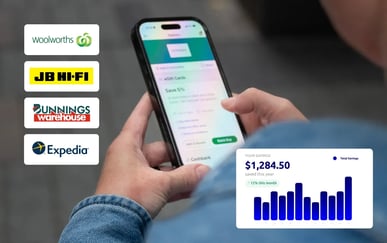
Employees also want everyday savings mechanisms that are easy to use and flexible. Seven in ten say it would be helpful to have access to discounted gift cards, retailer discount codes, and cashback through their employer.
These tools turn routine purchases into reliable savings and give people more choice about where they direct relief, from groceries and fuel to clothing, personal care, travel, and technology.
Finally, about six in ten employees say financial wellness programs would be helpful, including budgeting tools and financial coaching. Immediate savings reduce pressure today; capability‑building helps people plan, prioritise, and make better decisions tomorrow. In combination, they support both short‑term resilience and longer‑term confidence.
How financial wellbeing links to attraction and retention
These preferences aren’t just a shopping list; they map directly to attraction and retention outcomes. Two‑thirds of Australian employees (67%) and nearly as many New Zealand workers (63%) say they would be more likely to stay with their employer if they had access to discounts. And 73% of employees across ANZ say employer‑provided discounts and cost‑of‑living support are important when weighing up a new job offer. In a competitive hiring market and a year of constrained wage growth, benefits that deliver tangible, everyday value can set your offer apart at the point of decision and reduce costly churn after people join.
This is where EVP differentiation is won or lost. When nominal wages are flat and inflation has pinched purchasing power, messages about culture, flexibility, and career growth still matter, but employees also want to see how an employer will help them navigate the everyday cost of living. A benefits portfolio that meets people where they spend; groceries, fuel, utilities, health, and connectivity; signals that you understand their reality and are willing to act. It also broadens the value of your EVP and Total Rewards beyond base pay, which can be particularly compelling for candidates comparing similar roles with similar salaries. When employees see real, repeatable savings show up in their week, they feel supported in a way that generic perks can’t match.
Making the most of your financial wellbeing benefits
Design and delivery matter as much as intent. To work, financial wellbeing benefits must be visible, trusted, and easy to use. Too often, organisations have help available but it's buried behind intranet pages, scattered vendor links, or complex redemption processes.
The result is low uptake and the perception that “we don’t have anything.” Clear, always‑on communication about Total Rewards; what’s available, how it works, and how to access it in a few taps; turns awareness into usage. Trust also plays a role. Employees gravitate toward closed, employer‑provided discounts and cashback platforms because they’re vetted, curated, and simpler than wading through (sometimes spammy) deal sites. When redemption is seamless and relevant retailers are covered, people build a habit of checking for offers before they buy, which compounds savings over time.
A thoughtful mix also recognises that households differ. Younger workers may prioritise fuel and rent‑adjacent savings; families might value groceries, health, and utilities; remote and frontline employees care about connectivity and transport in different ways. Designing breadth into your program, covering essentials and major bills, offering flexible gift cards and cashback, and providing access to basic financial tools, lets each person direct support where it matters most. That flexibility is what transforms a benefit from a nice‑to‑have into something people use weekly.
The business benefits of investing in financial wellbeing
The productivity case is straightforward. When employees can reliably shave dollars off their essential spending, the edge comes off their financial worries. Over time, that translates into fewer hours spent juggling bills during work, more focus on the job at hand, and a greater willingness to engage in the small social moments that sustain team connection.
Think of a monthly budget that stretches far enough for a coffee with a colleague, a family meal out, or a weekend day trip. Those moments are not frivolous; they restore energy and belonging, countering the cost of not living that creeps in when people cut all non‑essentials to make ends meet. In other words, effective financial wellbeing benefits don’t just ease budgets; they help protect the micro‑behaviours that drive engagement and culture.
From a financial standpoint, this is one of the rare levers that can deliver outsized impact for comparatively modest investment. Unlike permanent salary increases, discounts and cashback programs scale with usage and can be targeted to categories with the highest employee demand. Financial wellness resources can be provided at low cost and accessed on demand. The combined effect is a benefits layer that feels like meaningful support to employees while remaining sustainable for employers. When layered into a clear EVP narrative, “here’s how we help you keep life affordable and connected,” it becomes a distinctive part of your employer brand.
Measurement closes the loop. Track uptake and redemption rates across categories to understand what employees value most and where to improve coverage. Monitor sentiment and self‑reported impact on stress and productivity to quantify the benefits beyond dollars saved. Share “you said, we did” updates to show that feedback leads to action, which builds trust and boosts ongoing participation. As usage grows, reinforce the habits that drive value: checking for offers before buying, coordinating household purchases with partners, and using budgeting tools to plan around high‑cost periods.
The takeaway is clear. Four in ten employees across Australia and New Zealand are navigating 2026’s cost pressures without any employer financial wellbeing support, even as the vast majority say that practical, everyday savings would help and would influence where they choose to work and whether they stay.
Closing this support gap isn’t just compassionate; it’s competitive. By aligning your benefits to what employees actually want; discounts on groceries and petrol, relief on household bills like utilities and health, flexible savings mechanisms like gift cards and cashback, and access to simple financial wellness tools; you can deliver tangible value every week, strengthen your EVP, and move the needle on attraction, retention, and performance.
If you’re ready to see what works across Australia and New Zealand and how to bring this financial wellbeing support to life in your organisation, download The Cost of Not Living Report for deeper insights, benchmarks, and practical guidance.
If you'd like to speak to a member of our team about delivering fast, real financial relief to your people during a cost of living crisis, reach out now.