








8 best non-financial rewards to motivate employees
Learn how thoughtful non-financial incentives can strengthen culture, improve productivity and show your employees they’re appreciated.


Businesses are increasingly under increasing pressure to motivate, engage and retain their people, often without relying on pay rises or bonuses alone. That’s where non-financial rewards for employees come into their own.
Reward Gateway | Edenred research found that recognition is the third biggest driver of employee happiness at work |
When done well, non-financial employee rewards can strengthen culture, improve wellbeing and drive performance in ways that money alone simply can’t.
In fact, 38% of employees say receiving recognition and rewards makes them feel more productive at work. Recognition is also the third biggest driver of employee happiness at work.
Below, we unpack eight of the best non-financial rewards that can help you motivate your employees in a meaningful, sustainable way.
What are non-financial incentives and their benefits?
Non-financial incentives are rewards and recognition beyond monetary compensation that motivate and satisfy employees.
It includes various forms of perks and opportunities. There are several benefits to these incentives, including:
- Increased employee satisfaction and engagement
- Enhanced loyalty and reduced turnover rates
- Improved productivity and performance
- Promoting creativity and innovation
- Fostering a positive work environment and culture
- Building a sense of pride and accomplishment
8 best non-financial rewards to motivate employees
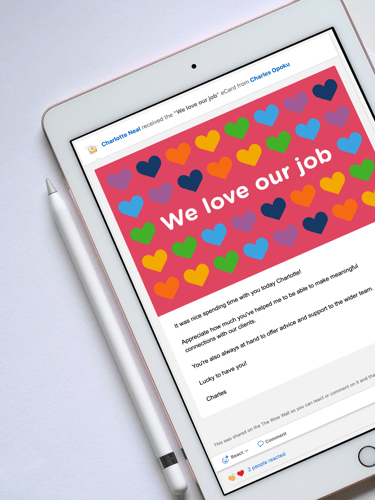 1. Public, visible recognition
Public recognition remains one of the most powerful non-monetary rewards for employees. Celebrating achievements openly - whether through company-wide communications, digital recognition walls or team meetings - helps your people feel valued and seen.
This type of recognition taps into a basic human need for appreciation and belonging. When employees know their contributions matter, they’re more likely to stay engaged and motivated.
With 61% of employees saying their wellbeing would improve if they were thanked more, visible recognition is one of the simplest non-financial methods of motivation organisations like yours can adopt.
2. Extra time off
Who doesn’t love a holiday? Extra time off via surprise days, wellbeing leave or early finishes in summer months can have a significant impact on morale and work-life balance.
Time off helps employees to relax and recharge, reducing burnout and supporting long-term productivity. As part of a broader set of non-financial incentives examples, it signals trust and respect for employees’ personal lives.
3. Opportunities for professional development and career growth

Recognising the ambition of your employees and giving them opportunities to grow is important.
Career development consistently ranks high among different types of employee rewards. You could offer training, mentorship programmes, stretch projects or access to learning platforms to show staff that you’re invested in their future, not just their output.
Professional development is a powerful non-financial incentive because it benefits both the individual and the organisation. Employees gain new skills and confidence, while employers build a more capable, loyal workforce.
4. Empowerment and autonomy
Empowering your employees to make decisions about how they work is a highly effective non-financial reward. Autonomy fosters trust, creativity and ownership - all of which are key drivers of engagement.
Simple initiatives like flexible working arrangements, choice over projects or the freedom to innovate can dramatically improve motivation. These non-financial rewards examples often cost nothing, yet deliver long-lasting cultural benefits.

5. Team building and social connection opportunities
Often overlooked these days, strong social connections at work play a critical role in employee engagement. Team-building activities, social events, volunteering days or interest-based communities help to create a sense of belonging.
These non-financial incentives strengthen relationships, improve collaboration and contribute to a positive employee experience - especially in hybrid or remote environments where connection can be harder to maintain.
6. Lunch with the CEO
Few rewards feel more personal or thoughtful than time with senior leadership. A lunch with the CEO or leadership team offers employees recognition, visibility and the opportunity to share ideas or feedback.
As a non-monetary reward for employees, this reinforces transparency and inclusivity, while helping leaders stay connected to their workforce. It also aligns with research showing that being recognised by managers is the number one driver of appreciation.
7. Reserved parking spot for the day
Sometimes, it’s the smallest gestures that make the biggest impact. A reserved parking spot (even for just a day) can be a memorable way to recognise achievement.
This is a classic example of non-financial rewards that feel personal and immediate. While simple, it’s a visible symbol of appreciation that others can aspire to.
8. Meaningful involvement in decision making
Inviting employees to contribute to decisions that affect their work or the wider business is a powerful form of recognition. Whether through surveys, focus groups or innovation forums, involvement creates a sense of ownership.
This type of non-financial incentive reinforces that employees’ voices matter, helping build commitment and alignment with organisational goals.
How to increase the impact of financial employee rewards without additional spend
While non-financial rewards are highly effective on their own, combining them with existing financial rewards can significantly amplify impact - without increasing budget, too.
Audley Group, which runs a large portfolio of integrated retirement communities, offers a great example of this creative approach. Audley wanted to boost engagement with its Recognition and Reward programme through its employee experience platform, SPIRIT.
To do this, Audley introduced a ‘Spin the Wheel’ competition that collects Appreciation Shoutouts for team members across various categories, including those aligned to company values. Each month, 20 winners are selected to receive spot bonuses in the form of retail and experience vouchers.
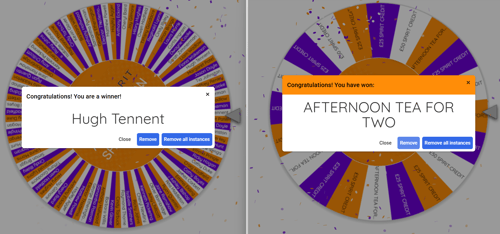
Spin the Wheel is shared as a monthly video blog post and is now one of the most viewed pieces of content on the platform. As well as embedding a culture of appreciation, engagement with the SPIRIT platform increased from just 7% to over 70% in 12 months, demonstrating how creative non-financial rewards can dramatically enhance the impact of financial incentives without additional investment.
Non-financial rewards matter
A truly successful employee reward strategy doesn’t rely on pay alone. Instead, it balances financial rewards with meaningful recognition and thoughtfully designed non financial rewards for employees.
By combining non monetary recognition, custom non financial incentives and a reward programme aligned to both budget and business goals, it’s easier than you think to create a culture where employees feel valued, motivated and empowered.
Reward Gateway | Edenred helps you put recognition into practice, with non-financial rewards and experiences that fit your culture, your people and your budget. Speak to one of our employee experience experts today.


.jpg?width=406&height=243&name=workplace-toxicity-concept%20(1).jpg)