









What the Autumn Budget 2025 means for HR
Discover the Autumn Budget 2025's impact on HR.

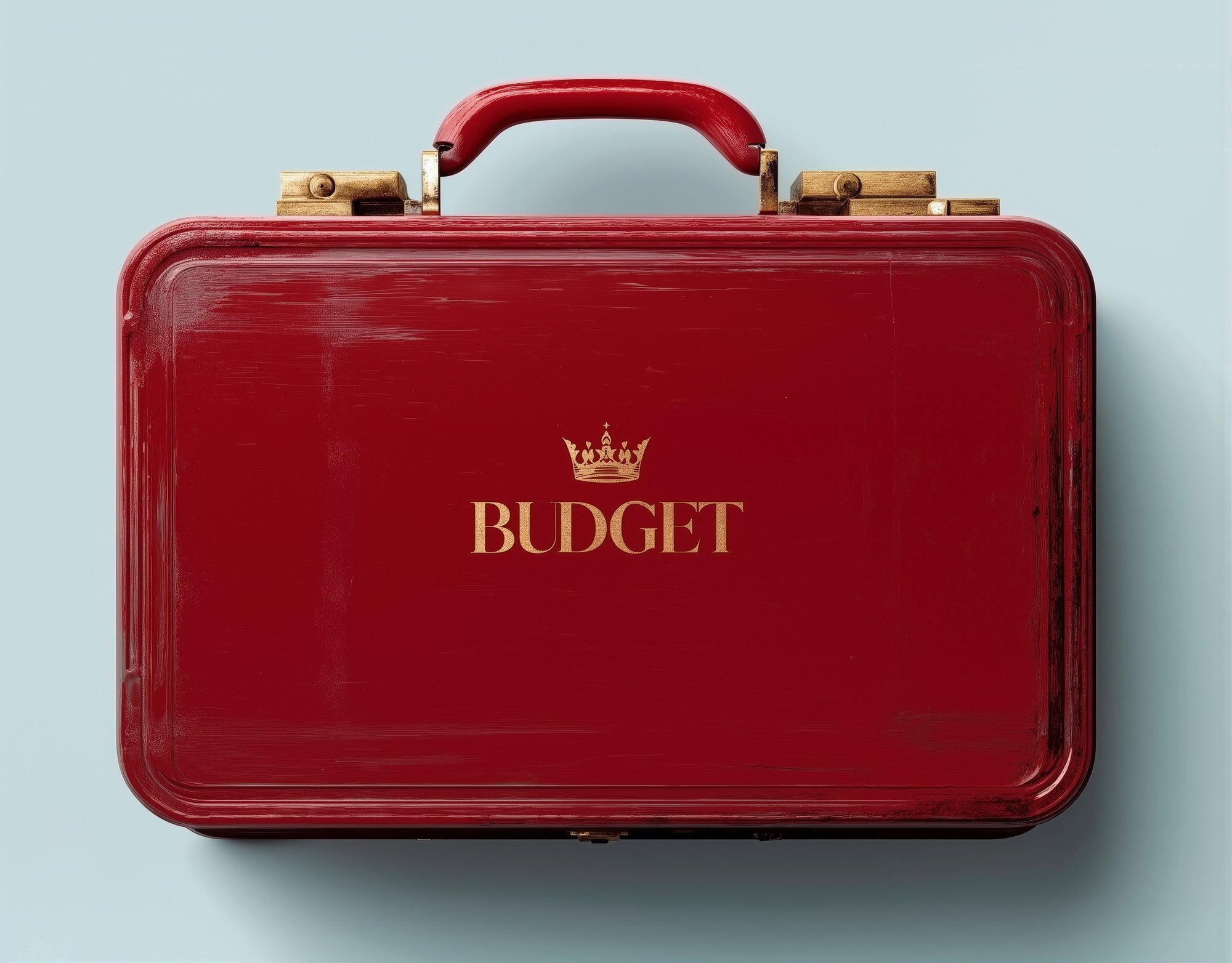
Have you ever wondered why the Chancellor holds up a red box in front of 11 Downing Street on the day of the budget? Well, back in 1868, then Conservative Chancellor George Ward Hunt arrived at the Houses of Commons and realised he'd left his speech at home.
Now, the Chancellor holds the red box in front of No 11 before heading to Parliament as a public confirmation they've remembered their speech.
It's quirky, like most things in British politics. And yet, it's also deeply important to everyone: from businesses to workers.
In this short blog, we'll explore this Autumn's budget and what it means for employees, employers and HR teams.
Headline Changes
- National Insurance (NI) and income tax thresholds frozen for an extra three years beyond 2028, meaning more people will move into higher bands over time as wages rise.
- No changes to the rate (the % paid) of National Insurance and income tax paid.
- Two-child benefit cap lifted
- Legal minimum wage for over-21s to rise 4.1% in April 2026, from £12.21 to £12.71 per hour, and 8.5% for 18- to 20-year-olds, £10 to £10.85 an hour
- People paying into their pension pot under salary sacrifice schemes will pay NI on contributions over £2,000 from 2029
But what do these changes mean for employers, employees and People Teams?
Pension Salary Sacrifice
One of the key changes is around salary sacrifice into pensions. A third of private sector employees and a tenth of public sector workers use a salary sacrifice scheme for their pension.
From April 2029, only the first £2,000 of employee contributions through salary sacrifice each year will be exempt from National Insurance contributions (NIC). Anything sacrificed above this £2,000 threshold will be subject to employer and employee NIC.
With the changes coming into effect in 2029, that gives your organisation and its employees plenty of time to prepare. With projections showing that most of the cost will be borne by high-earners and employers, offsetting the increased National Insurance contributions will be key for both.
The good news? Other salary sacrifice options like Cycle to Work, Holiday Trading, and CarSchemes remain untouched. 
While the employer NIC savings may not be as large, driving engagement with these products is proven to deliver significant savings and return on investment, as shown by Vodafone, Greencore and Holland & Barrett, all while supporting your people's mental, physical and financial wellbeing.
Explore our Salary Sacrifice solutions and how they can help organisations like yours boost employee engagement, support wellbeing and reduce costs at the same time.
Nick Burns, CEO of Reward Gateway | Edenred:
“Salary sacrifice has, for many years, created an incentive not just for employees but also for employers. Not only has it provided the fuel for building a healthy retirement fund, it also gives employees the opportunity to utilise their take-home pay in a way that works for them. Any restrictions of this helpful mechanism not only impacts employees but also forces employers to reconsider investing in their people."
Income and National Insurance Tax Threshold Freezes
The Chancellor also announced that the freeze on tax bands will continue until 2031, rather than increasing in line with rising costs.
This small technical change means that over time more workers will move into the higher bands as their pay rises. While it may seem like tinkering around the edges, this change will see many employees paying more tax over the next few years, adding to the growing strain on their take home pay.
It's becoming more important than ever to support your people's pay through a robust benefits package that includes Employee Discounts, Salary Sacrifice and other perks to offset rising costs.
Helping employees save on daily essentials and large purchases can have a meaningful impact on both their financial wellbeing and sense of connection to your organisation. The Department for Environment, Food and Rural Affairs has helped their workforce save £47,000 a month on average while doubling their engagement scores.
National Minimum Wage Increase
Almost like clockwork, the National Minimum Wage is set to rise again in April 2026; a welcome change that will see millions of low-paid workers get a pay rise.
As of April, the national living wage will rise 4.1% from £12.21 to £12.71 for over-21s and the minimum wage for 18 to 20-year-olds will increase 8.5% to £10.85.
While welcome, the increasingly common bump to National Minimum Wage is placing pressure on some sectors, especially those that hire mostly minimum wage employees like the Hospitality, Care and Retail sectors.
As the cost of payroll increases, offsetting costs and maximising the return of investment in your technology is crucial. Organisations such as Greencore have seen success in reducing their NIC contributions while delivering demonstrable returns in reduced attrition, improved productivity and skyrocketing engagement.
What else could affect your organisation and its employees?
- The two-child cap on means-tested benefits will be lifted, meaning larger families will have access to more support.
- Pay-per-mile charge for electric vehicles to offset declining revenue from the fuel duty tax
- Training for under-25s on apprenticeships will be made free for small and medium-sized enterprises.
The Chancellor will deposit her speech back into her famed red box and head back to 11 Downing Street ready to execute her package of fiscal changes. But with change comes opportunity; if the budget has left you wondering how you can maximise the impact of your employee engagement initiatives, then speak with one of our Employee Experience Experts today.



.jpg?width=406&height=243&name=workplace-toxicity-concept%20(1).jpg)