








Follow-up Q&A with Ian Hodson of Housing 21
Ian Hodson, Director of People and Culture of Housing 21, answers your questions from his recent appearance on In Conversation With Reward Gateway | Edenred

A few weeks ago, I had the honour of hosting a special live episode of In Conversation With, where I was joined by the fantastic Ian Hodson, Director of People and Culture of Housing 21. In this insightful interview, we explored how Housing 21 delivered a holistic EVP and digital benefits package that helped the organisation reduce employee attrition by 5% and became Glassdoor's 3rd Best Employer in the UK!
Ian outlined how he and his team achieved such incredible results and provided our audience with actionable strategies for delivering change within their organisations. It's safe to say we all gained a lot from Ian's insights and the enthusiasm in the (virtual) room couldn't have been more evident from the volley of questions directed Ian's way during the Q&A at the end of the session.
Unfortunately, we didn't have time to tackle all of them, but we gathered up those we missed and Ian has very kindly taken the time to provide his answers to the questions you asked.
But before we get into Ian's answers, I'd like to say a huge thank you to all of you who tuned in and participated in this webinar. And if you missed it, don't worry you can watch the recording here.
Without further ado, here are Ian's responses to your submitted questions:
How did you initially communicate with offline employees to get them engaged with Thrive Hive (Housing 21's employee engagement platform)?
"A lot of our offline employees don’t have a work email account to reach out to them, so we took a three-line approach to make sure we reached them with our initial engagement. Firstly, we used our central communication channels such as employee Keeping Connected sessions including the one hosted by our CEO as these often get played back as recordings in team meetings. Secondly, we briefed our managers as their cascade is still really important to us and they are a trusted communication channel. Finally, and to make sure everyone was reached we sent a QR Postcode to their home address to get them to connect to the platform."
How do you maintain the communication without encountering 'App Fatigue'?
"We are very conscious as we digitalise the workforce that we are blurring the work and home lines, particularly when we think about the apps on our personal device relevant to work applications or benefits, we offer that in theory don’t turn off after working hours. We are at the moment looking in to how we can keep all the work-related applications hidden behind one main entry route, the same as you may create a folder. We are very conscious of fatigue in all sense of the word from the general switching off to how do we join the dots to ensure the apps all “feel” like us. One of our positive measures on the wellbeing front are our Smarter working principles that give permission to switch off. We continue to work on putting an umbrella over all the apps to ensure they feel uniform and easy to navigate but it remains an emerging challenge."
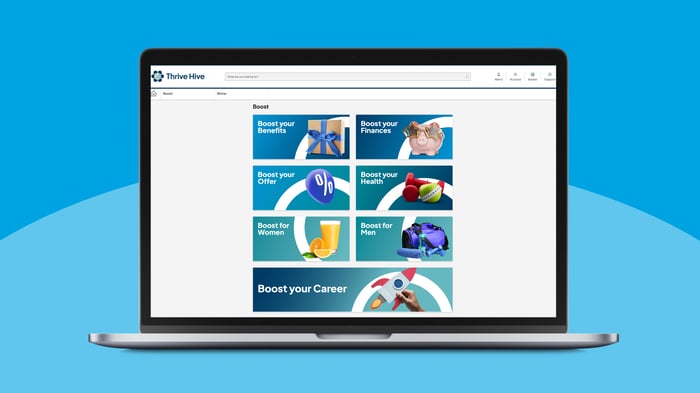
Looking at how your frontline colleagues are using the platform day to day - what does engagement look like for them, and what’s helped boost logins and interaction?
"The great thing about the platform is that it can be used in a stand alone way so for those wishing to engage with benefits, send e cards, access financial recognition for service celebrations or our festive award they can directly go there and know exactly what they will be accessing and everything has that positive, motivational aspect attached to it – which I think supports why colleagues engage with it. I do have to say that centralising where we offer small financial recognition through local or organisational initiatives on the platform does also incentivise curiosity."
When you introduced the cash plan, did you offer everyone the option to increase the level of cover at the own cost or was it a one size fits all plan?
"Great question and we agreed the level that we would fund employees and their dependents to but then offered all employees the option to voluntarily increase that level of cover or include their partner and then pay the top up through their pay."
What has the role of the line manager been in helping to reduce attrition? What does your performance management process look like?
"We really try to empower line managers to see the delivery of their role as ensuring employees are well, engaged, motivated and valued. We have just launched a new manager development module called Leading Employees To Thrive and that is very much the focus of the content. We also ensure that the managers understand the organisational behaviours framework …. being collaborative, empathetic and leading by example. Performance management is operated against a devolved framework, and we try to ensure that the regular and honest conversations are the focus with of course a clear framework for improving performance where needed in a supportive way."

Your Glassdoor score is impressive - Has this been a work in progress over the last few years and how do you authentically encourage new reviews?
"We encourage our employees to be our ambassadors and representatives with a view of always looking to put ourselves on the map as a place of work that may sometime be overlooked. It almost feels like the world of influencers that we operate in, and our best advert remains colleagues that are here and thriving. So yes, Glassdoor is important, and we ask colleagues to leave reviews, but it is just one of many shop windows that our talent team keep an eye on as part of our recruitment channels but always reassuring to read."
How do you track the utilisation rate of your reward offer and your internal campaigns? In what ways can empowerment be made tangible and meaningful rather than remaining a superficial concept?
"We are lucky that we can monitor through the platforms benefit utilisation and clicks so we can create a data view on update and engagement. For me equally important are the feedback loops we have through our engagement groups and partnering model to hear in the first person how the offer is landing and whether it is valued. We are also clear that everything we do is to support allowing managers to have toolkits that support them in their role so listening to our managers and how the package we offer is supporting them or where we have gaps is so important to ensure we are delivering for our people."

How did you approach building relationships, understanding team dynamics, and contributing effectively?
"I focused on building relationships by spending time listening, asking questions which I particularly enjoy exploring the why, and understanding what matters most to individuals and the team. I think you have to be really adaptable as a leader and one size doesn’t fit all, but being able to adapt style to the setting is something I have had to work on through the years. Knowing when to be in listening mode vs talking mode is one of the best pieces of advice ever passed to me however I am not always the best at stopping in the right mode. I try to lead by example and role model and that means being visible, approachable, and consistent, and building trust. I think the contribution assurance will always come from are we supporting the organisation and our operational teams with achieving their goals ……and hopefully with a few extras thrown in!"
What is your most utilised benefit?
"After pensions by far the health plan that really helps employees with those day-to-day health costs and supports with trying to prevent issues wherever possible through early detection and actions. We automatically place new employees in the company funded plan that is a reinvestment of our employer National Insurance savings from salary sacrifice. I think it gives as a benefit in so many ways and really encourages preventative and proactive healthcare which is in the best interest of all."
Thank you again to Ian for not only creating such an engaging and insightful webinar, but for taking the time to respond to our questions.
Visit our In Conversation With library to see more in-depth interviews with HR heroes across the UK.

.jpg?width=406&height=243&name=workplace-toxicity-concept%20(1).jpg)